Synoptic Gospels
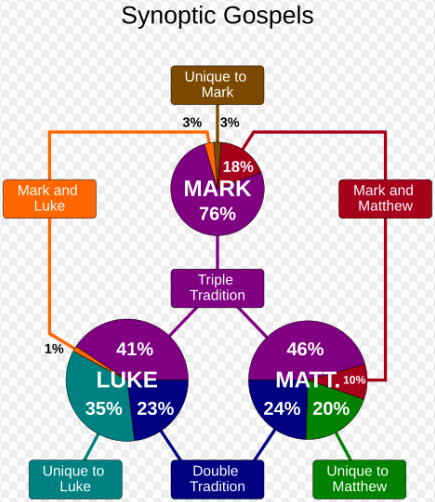
The term "synoptic gospels" refers to the first three books of the New Testament: Matthew, Mark, and Luke. These gospels are called "synoptic" (meaning "seen together" or "from the same point of view") because they share a significant amount of material, including stories, wording, and the overall order in which events are presented. While they all recount the life and teachings of Jesus, they do so with unique perspectives and emphases.
Here's a more detailed look:
- Similarities:
The synoptic gospels share a large amount of content, including many of the same stories, sayings of Jesus, and even verbatim agreement in certain passages.
- Differences:
While sharing much, each gospel also has unique material and emphasizes different aspects of Jesus' life and ministry. For example:
- Matthew: emphasizes Jesus as the fulfillment of Jewish prophecy and the importance of following his teachings.
- Mark: focuses on Jesus' actions and power as a miracle worker.
- Luke: highlights Jesus' compassion, his concern for the marginalized, and his teachings on social justice.
- The Synoptic Problem:
The high degree of similarity between the synoptic gospels has led to what is known as the "Synoptic Problem," which is the scholarly debate about the literary relationship between the gospels and how they were written.
- John's Gospel:
The Gospel of John is distinct from the synoptic gospels and is not considered part of the synoptic group. It offers a different perspective on Jesus' life and ministry, with less overlap in content and a greater emphasis on Jesus' divinity.