COLUMBIAN EXCHANGE, PER Ai
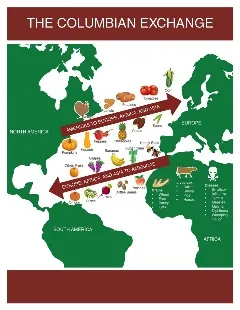
The Columbian Exchange was the widespread transfer of plants, animals, diseases, and ideas between the New World (the Americas) and the Old World (Afro-Eurasia) following Christopher Columbus's arrival in the Americas in 1492.
This biological globalization permanently altered global ecology, demographics, and economies through several key exchanges:
- From the Americas to the Old World: Crops such as maize (corn), potatoes, tomatoes, chili peppers, and tobacco were introduced to Europe, Africa, and Asia, significantly boosting food supplies and population growth.
- From the Old World to the Americas: Livestock including horses, cattle, pigs, and sheep were introduced, while wheat, sugar cane, and rice transformed American agriculture.
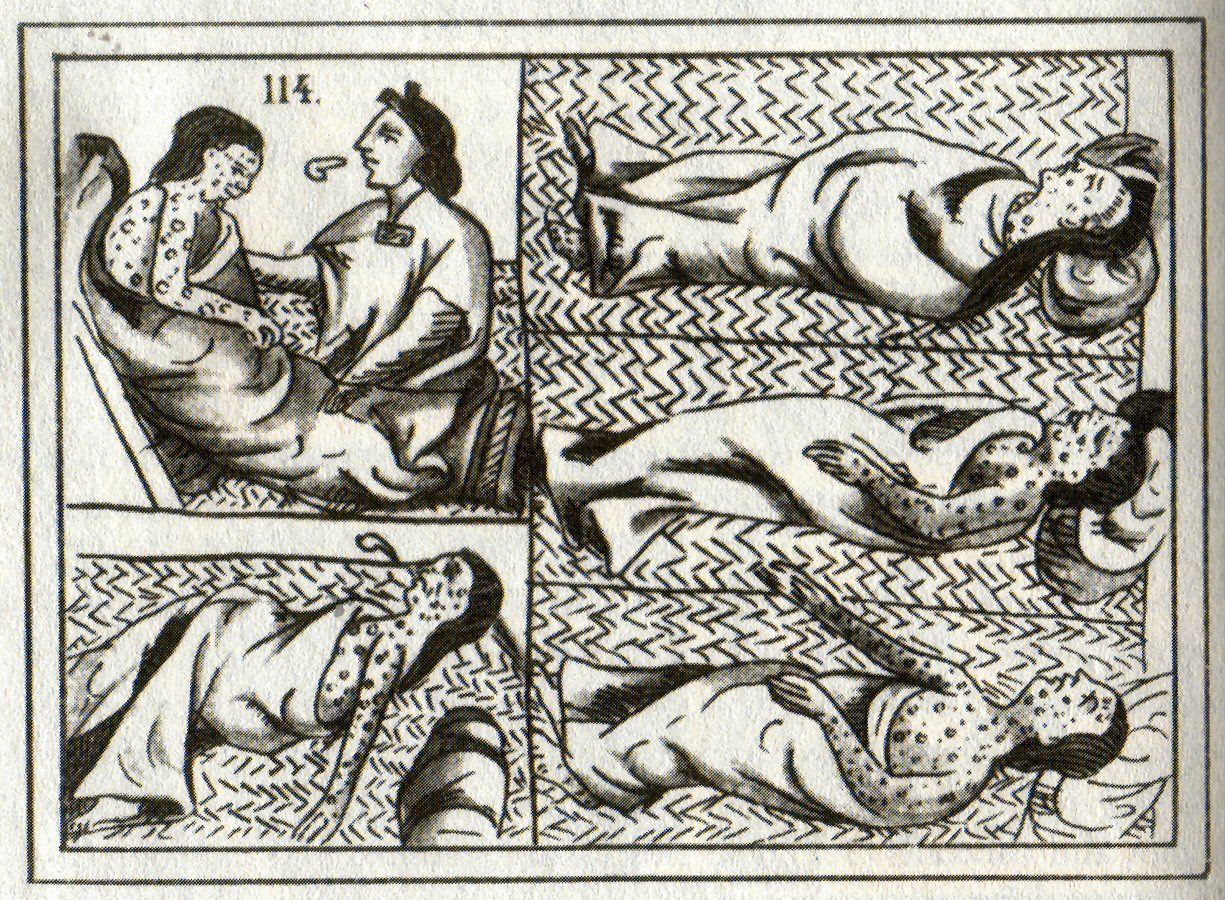
- Disease: Smallpox, measles, and influenza were brought to the Americas, causing catastrophic population declines of 50 to 95 percent among Indigenous peoples who lacked immunity.
- Cultural and Social Impact: The exchange facilitated the Trans-Atlantic Slave Trade, as demand for labor on sugar and tobacco plantations led to the forced migration of millions of Africans to the Americas, resulting in significant cultural blending and demographic shifts.
AI-generated answer. Please verify critical facts.
Saturday, October 17, 2026 10:36AM
WHAT IS THE COLUMBIAN EXCHANGE - Brave Search