Tyre
Gemini AI Overview
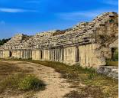
Archaeology in the ancient Phoenician city of Tyre (Sour, Lebanon) reveals a 4,700-year history spanning Bronze Age maritime trade, Alexander the Great's monumental causeway, and sprawling Roman and Crusader ruins. Key excavation zones include the Al-Bass archaeological site and the Al-Mina city site. [1, 2, 3, 4, 5, 6, 7]
Major Archaeological Zones
- Al-Bass Site (Mainland): Features a massive 2nd-century Roman hippodrome (one of the largest ever built), a grand three-bay monumental arch, an extensive necropolis filled with hundreds of ornate Roman and Byzantine sarcophagi, and an ancient water aqueduct. [1, 2, 3]
- Al-Mina Site (Island/Peninsula): Uncovers the coastal layout of the ancient island city once joined to the mainland by Alexander the Great's siege mole, containing Roman colonnaded streets, baths, a palaestra, and residential quarters. [1, 2, 3]
- Medieval and Church Vestiges: Includes remnants of a 12th-century Crusader cathedral built by Venetians alongside fortification walls. [1]
- Geoarchaeological Harbour Research: Recent marine studies show that early Bronze Age Phoenician ports now lie safely buried and preserved beneath modern urban silted marine coves. [1]
If you want to focus on a specific part of the history, would you like to explore:
- The original Phoenician maritime period and purple dye trade?
- Details of Alexander the Great's siege and tactical causeway build?
- Recent UNESCO World Heritage in Danger preservation updates?