Hemp Seed
Videos
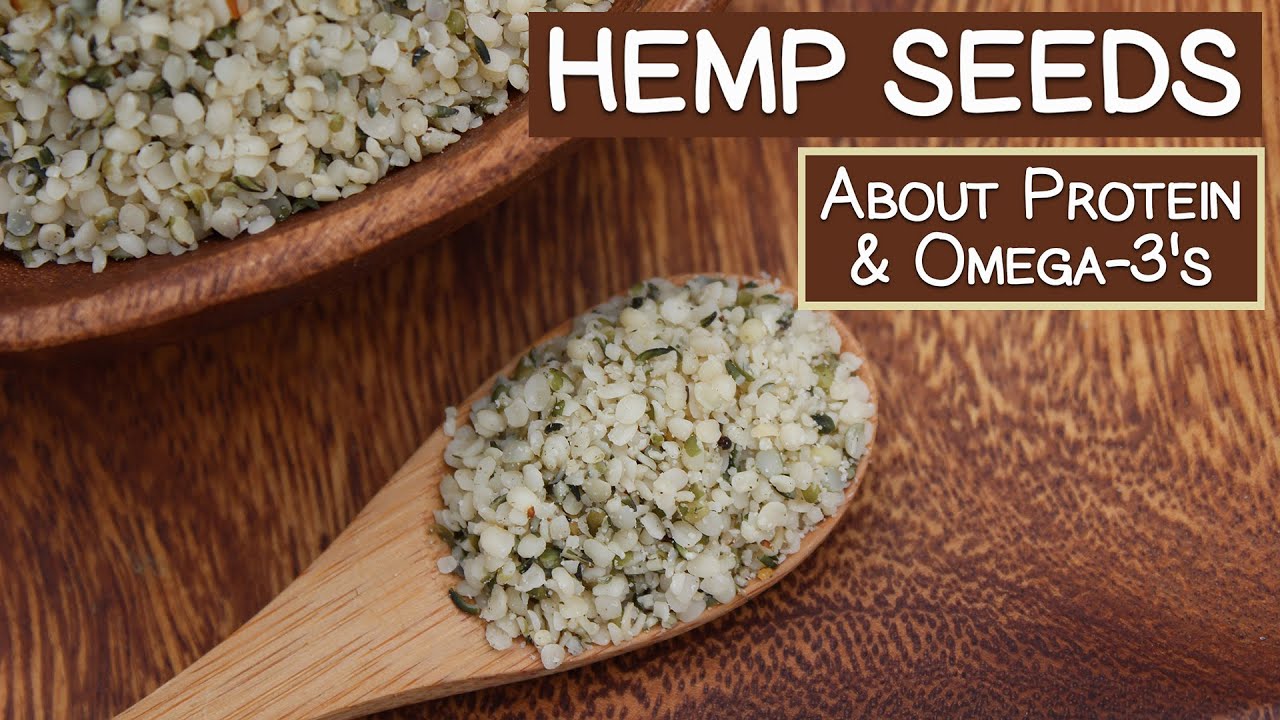


Hemp seeds, derived from the Cannabis sativa plant, have gained significant attention in recent years due to their impressive nutritional profile and potential health benefits. Unlike marijuana, hemp seeds contain negligible amounts of THC, the psychoactive compound, making them safe and legal for consumption.
Nutritional Profile of Hemp Seeds
Hemp seeds are often referred to as a superfood due to their dense nutrient content. Here are some key nutritional components:
Protein
Hemp seeds are an excellent source of plant-based protein, containing all nine essential amino acids. This makes them a complete protein source, which is relatively rare in the plant kingdom. Approximately 25% of the calories in hemp seeds come from protein, making them an ideal choice for vegetarians, vegans, and those looking to diversify their protein sources.
Healthy Fats
Hemp seeds are rich in healthy fats, particularly omega-3 and omega-6 fatty acids. They contain a balanced ratio of these essential fatty acids, which is crucial for maintaining heart health and reducing inflammation. The primary fatty acids in hemp seeds are:
- Alpha-linolenic acid (ALA) - an omega-3 fatty acid
- Linoleic acid (LA) - an omega-6 fatty acid
- Gamma-linolenic acid (GLA) - another beneficial omega-6 fatty acid
Fiber
Hemp seeds are a good source of dietary fiber, especially when consumed with their shells. Fiber is essential for digestive health, helping to maintain regular bowel movements and prevent constipation. It also plays a role in regulating blood sugar levels and reducing cholesterol.
Vitamins and Minerals
Hemp seeds are packed with various vitamins and minerals, including:
- Vitamin E - an antioxidant that helps protect cells from damage
- Magnesium - important for muscle function and bone health
- Phosphorus - essential for healthy bones and teeth
- Potassium - crucial for heart and muscle function
- Iron - necessary for the production of hemoglobin and red blood cells
- Zinc - important for immune function and wound healing
Health Benefits of Hemp Seeds
The rich nutritional profile of hemp seeds translates into numerous health benefits. Here are some of the most notable:
Heart Health
The balanced ratio of omega-3 and omega-6 fatty acids in hemp seeds is beneficial for heart health. These fatty acids help reduce inflammation, lower blood pressure, and improve cholesterol levels. The presence of arginine, an amino acid that produces nitric oxide, also helps relax blood vessels and improve circulation.
Digestive Health
The fiber content in hemp seeds supports digestive health by promoting regular bowel movements and preventing constipation. A healthy digestive system is crucial for overall well-being, as it aids in nutrient absorption and waste elimination.
Skin Health
Hemp seeds are known for their positive effects on skin health. The essential fatty acids in hemp seeds help maintain the skin's natural barrier, keeping it hydrated and reducing dryness and irritation. Additionally, the anti-inflammatory properties of these fatty acids can help manage skin conditions like eczema and psoriasis.
Immune Support
The vitamins and minerals in hemp seeds, particularly zinc and iron, play a vital role in supporting the immune system. Zinc is essential for the development and function of immune cells, while iron is necessary for the production of hemoglobin, which carries oxygen to cells throughout the body.
Muscle and Joint Health
The protein content in hemp seeds is beneficial for muscle repair and growth, making them an excellent addition to the diet of athletes and active individuals. The anti-inflammatory properties of omega-3 and omega-6 fatty acids also help reduce joint pain and stiffness, making hemp seeds a good choice for those with arthritis or other inflammatory conditions.
How to Incorporate Hemp Seeds into Your Diet
Hemp seeds are versatile and can be easily incorporated into various dishes. Here are some simple ways to add them to your diet:
- Sprinkle them on salads, yogurt, or oatmeal
- Blend them into smoothies for an added protein boost
- Use them as a topping for toast or avocado
- Mix them into baked goods like muffins or bread
- Add them to homemade granola or energy bars
New ACE-Inhibitory Peptides from Hemp Seed (Cannabis sativa L.) Proteins.
Hempseed Peptides Exert Hypocholesterolemic Effects with a Statin-Like Mechanism.
Hemp seeds attenuate loperamide-induced constipation in mice.