Hackberry Tree ID
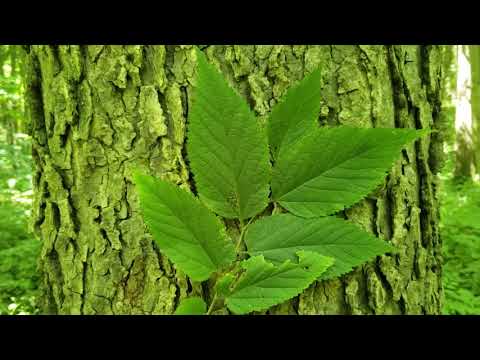
The Hackberry tree, belonging to the genus Celtis, is a deciduous tree native to North America. It is often found in a variety of habitats, including riverbanks, floodplains, and upland areas. Known for its resilience and adaptability, the Hackberry tree is a valuable species for both ecological and ornamental purposes.
Key Characteristics
Leaves
- Shape and Size: Hackberry leaves are simple, alternate, and typically range from 2 to 4 inches in length. They are ovate to lanceolate in shape, with a pointed tip and an asymmetrical base.
- Texture and Color: The leaves have a rough texture, similar to sandpaper, and are dark green on the upper side with a paler underside. In the fall, they turn a yellowish color.
- Margins: The leaf margins are serrated, with small, sharp teeth along the edges.
Bark
- Texture: One of the most distinctive features of the Hackberry tree is its bark. It is light gray to brown and has a unique, warty texture with corky ridges and irregular patterns.
- Appearance: The bark's appearance can resemble a net-like pattern, which becomes more pronounced as the tree matures.
Fruit
- Type: The Hackberry produces small, berry-like drupes that are about 1/4 to 1/2 inch in diameter.
- Color: These fruits start as green and mature to a dark purple or black color in the fall.
- Edibility: The fruits are edible and are a food source for various bird species and wildlife.
Flowers
- Appearance: Hackberry trees produce small, inconspicuous flowers in the spring. These flowers are greenish-yellow and appear in clusters.
- Pollination: The flowers are wind-pollinated, which is typical for many tree species.
Growth Habits
- Size: Hackberry trees can grow to a height of 40 to 60 feet, with a spread of 40 to 50 feet.
- Shape: They have a broad, rounded crown with a somewhat irregular shape.
- Lifespan: These trees are long-lived, often surviving for over 150 years.
Habitat and Distribution
Hackberry trees are highly adaptable and can thrive in a range of soil types, from clay to sandy soils. They are commonly found in:
- Floodplains and Riverbanks: Due to their tolerance for wet conditions.
- Upland Areas: They can also grow in drier, upland areas, demonstrating their adaptability.
- Urban Environments: Hackberry trees are often planted in urban settings due to their tolerance for pollution and poor soil conditions.
Ecological Importance
Hackberry trees play a significant role in their ecosystems:
- Wildlife Habitat: The fruits provide food for birds such as cedar waxwings, robins, and mockingbirds. The tree also offers shelter and nesting sites.
- Soil Stabilization: Their extensive root systems help prevent soil erosion, especially in riparian zones.
- Biodiversity Support: Hackberry trees support a variety of insects, including the larvae of the Hackberry Emperor butterfly.
Uses and Benefits
- Ornamental Use: Due to their attractive bark and foliage, Hackberry trees are often used in landscaping.
- Wood Products: The wood is used for furniture, flooring, and other products, although it is not as commercially valuable as other hardwoods.
- Cultural Significance: In some cultures, Hackberry trees are valued for their historical and medicinal uses.
Identifying Similar Species
While identifying Hackberry trees, it is important to distinguish them from similar species:
- Elm Trees: Elm leaves are similar in shape but have a smoother texture and more pronounced veins.
- Sugarberry (Celtis laevigata): A close relative, the Sugarberry has smoother bark and is more common in the southern United States.