Red Raspberry
See also: Rubus (genus)
Rubus idaeus (raspberry, also called red raspberry or occasionally as European raspberry to distinguish it from other raspberries) is a red-fruited species of Rubus native to Europe and northern Asia and commonly cultivated in other temperate regions.A closely related plant in North America, sometimes regarded as the variety Rubus idaeus var. strigosus, is more commonly treated as a distinct species, Rubus strigosus (American Red Raspberry), as is done here. Red-fruited cultivated raspberries, even in North America, are generally Rubus idaeus or horticultural derivatives of hybrids of R. idaeus and R. strigosus;
Videos
Approved on Keto

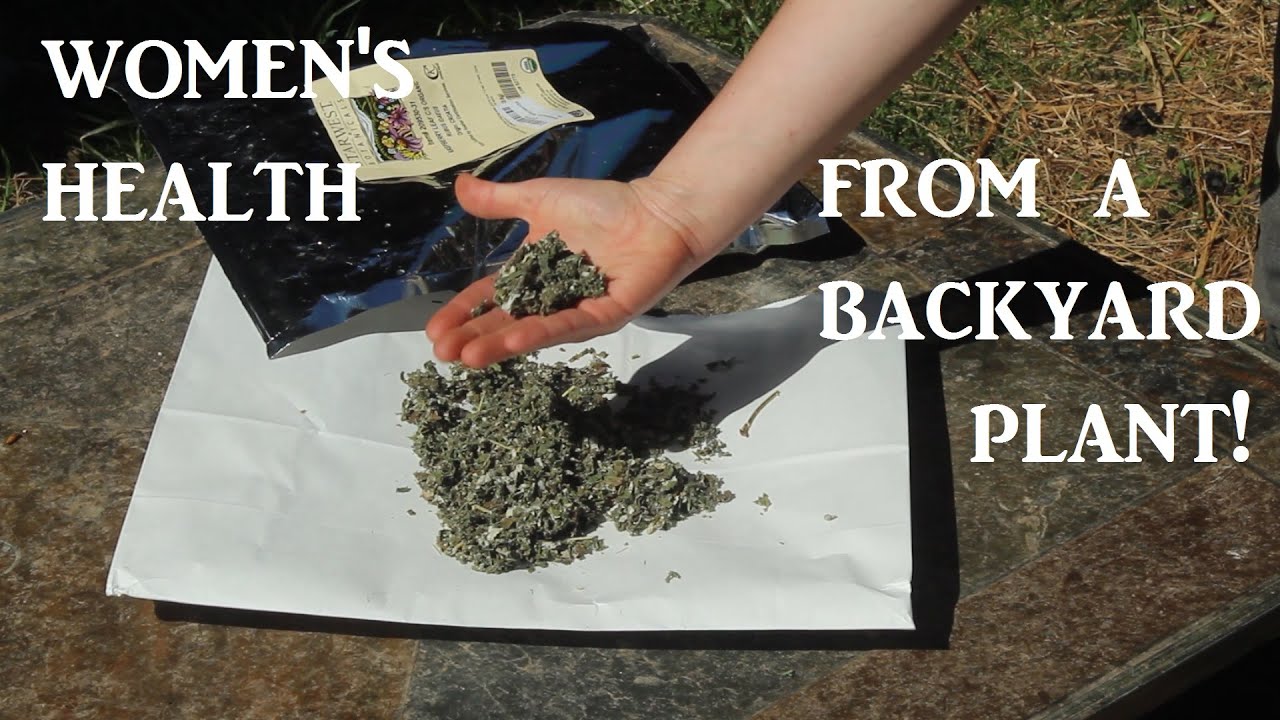
For Women’s Health
Qualities: astringent, cool, dry; restoring, astringing, stimulating
Properties Antacid, anti-emetic, antidiarrheal, uterine tonic
Tropism: uterus, stomach, intestines, lungs
Ground: all for symptomatic use
Constituents
***Listing on Duke's Database***
Tannins; gallo tannins, ellagic tannins, bernstein & lactic acid, alkaloid fragrance, flavone farfarin, vitamins C & A, calcium, phosphorus, iron, trace minerals
The leaves are rich in manganese, an essential element for oxygenation of the cells.
Flavonoids
HPLC analysis of polyphenols in the fruits of Rubus idaeus L. (Rosaceae).
Effects
General: The main active agents are tannin, flavonoids, and vitamin C. The tannins give the fruit an astringent effect. In addition to tannins, active constituents of extracts of raspberry leaves include a smooth-muscle stimulant, an anticholinesterase, and a spasmolytic.
Uses
Native American Uses
CHEROKEE-female emetic and cathartic-During their catamenial periods, women drink an infusion made by boiling together the roots of Alnus rugosa, Hydrangea arboreseens, Platanus oeeidentalis, Rubus occidentalis and Rubus Idaeus var. stri
- STRENGTHENS AND RESTORES THE UTERUS, ENHANCES AND HARMONIZES PREGNANCY, LABOR AND CHILDBIRTH, PREVENTS MISCARRIAGE AND ENHANCES LACTATION
uterus Qi deficiency with delayed, scanty menses
PROPHYLACTIC & REMEDIAL during the whole of PREGNANCY and in LABOR and DELIVERY
HABITUAL MISCARRIAGE
MORNING SICKNESS, cramps, postpartum bleeding & swelling
SCANTY or poor quality BREAST MILK
- CREATES ASTRICTION, DRIES MUCOUS DAMP AND REMOVES STAGNANCY; ARRESTS BLEEDING AND DISCHARGE
DIARRHEA in infants
LEUCORRHEA in all conditions
MILD HEMORRHAGES or menorrhagia in Qi deficiency conditions
UTERINE PROLAPSE
SPONGY GUMS
stomach Qi stagnation with indigestion, sour regurgitation, diarrhea
MILD CONSTIPATION
3. REDUCES INFLAMMATION AND PROMOTES TISSUE REPAIR, FREES SPASMS, BENEFITS THE LUNGS AND THROAT
EYE, GUM, MOUTH & THROAT INFLAMMATIONS
WOUNDS, burns, skin eruptions
SPASMS of intestines or uterus
BLADDER or PROSTATE IRRITATION
BRONCHITIS in all conditions
HOARSENESS, voice loss
Physio-Medical Therapeutics, Materia Medica and Pharmacy BY T. J. LYLE, A.M.M. 1897
The leaves are a mild, pleasant, soothing, diffusive stimulating, astringent tonic. It allays nausea, sustains the nerves, and tones the mucous membrane. It is effective in acute and chronic dysentery and diarrhoea. It is also of much service in urethral irritation. It soothes the kidneys and urinary ducts. When needed it also sustains the uterus and stops hemorrhage. In ophthalmia it is first-class wash. In leucorrhoea, gonorrhoea, dysentery and diarrhoea it is a good injection.
The expressed juice of the fruit is very nourishing in convalescense and for weak stomachs.
An infusion of the leaves is a good general gargle in sore mouth and canker of the throat. Acetum rubi idaei (prepared from fresh fruit) diluted with warm water early renders relief in sore throat or hoarseness.
Herbal practitioners-following Dr. Thompson and Dr. Coffin-always recommend Raspberry leaf tea, for use during the period of pregnancy. It's free use ensures good health during gestation, renders easy and speedy parturition, assists milk secretion and hastens convalescence. When labour approaches the addition of one teaspoonful of Composition Powder will prove a valuable adjunct
The Physiomedical Dispensatory by William Cook, M.D., 1869
Properties and Uses: The leaves of the red raspberry are mildly astringent, and of a peculiarly soothing nature, being very acceptable to the stomach, always leaving a slight tonic impression, often allaying nausea and vomiting, and not unfrequently soothing and sustaining the nervous system. Their infusion is one of the mildest and most suitable astringent tonics in sub-acute dysentery and diarrhea, lessening the discharges without abruptly checking them, and soothing instead of exciting the bowels. It exerts a moderate impression on the kidneys, and may be used for mild catarrh of the bladder. A. F. Elliott, M. D., of Minneapolis, tells me that a strong infusion, with a small quantity of Compound Tincture of Myrrh, is of rare service in diabetes. Dr. S. Thomson found it exerted a fine influence on the uterus, sustaining it in flagging labor; for which purpose he usually made it. into an infusion with cypripedium, and added a minute portion of capsicum when needed. It also anticipates flooding and relieves after-pains. As a wash, it is
excellent in recent ophthalmia, especially in infants; and may be used as an injection in leucorrhea, dysentery, and gonorrhea of mild grades. Though of but medium power, they are at once grateful and reliable. An ounce to a pint of boiling water, strained with pressure, makes an infusion of which one to two fluid ounces may be used at suitable intervals.