Ginger
See also: Zingiber (genus)
It strengthens the tissues of the heart, activates the immune system, prevents blood platelet aggregation and leukotriene formation, and inhibits prostaglandin production, thus reducing inflammation and pain. Ginger root is used in the treatment of anxiety, depression, fatigue, headache, hypertension, hypothyroidism, indigestion, obesity, and pain.
TABLE OF CONTENTS:
VIDEOS
Real Ginger vs Fake (GMO) Ginger
Making Ginger Extracts:
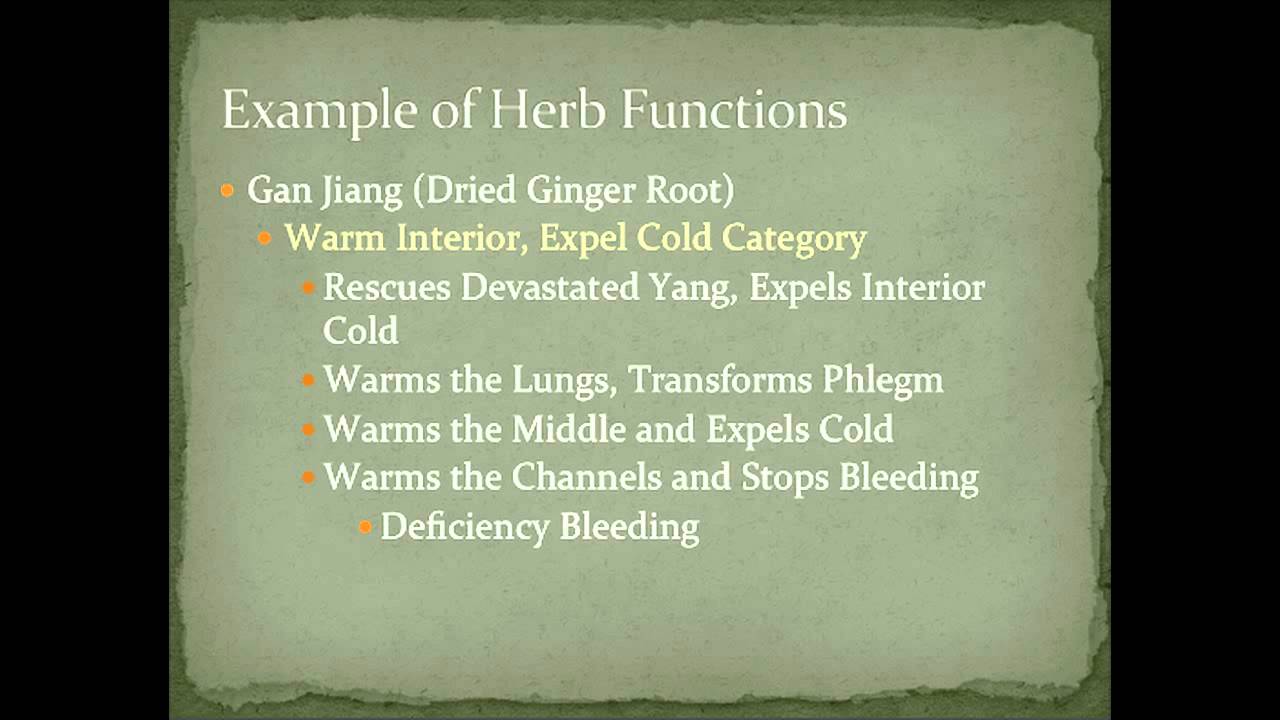
Ginger, the basics
Ginger 101 - Tips and Ideas For Using Ginger
Why you Should be Eating Ginger on Keto
5 Easy Ways to Use Ginger for Better Digestion
Dr.SHIVA LIVE: The Many Faces of Ginger to Support and Boost Your Immune System.
Ginger Remodels Microbiota
Dr.SHIVA™: Ginger on Lung Congestion @CytoSolve® Systems Analysis(2/24)
ABOUT
Qualities: very pungent, a bit sweet, hot (VERY warming), dry, stimulating, relaxing, restoring, dispersing movement upward and outward.
Tropism: lungs, digestive system, uterus, immune system
Ground: Phlegmatic & Melancholic krases
Dependent/Tai Yin and Burdened/Shao Yin biotypes
all three constitutions
In Eclectic and other 19th century North American traditions, ginger was described as a diffusive stimulant. Here the term ‘stimulant’ refers to metabolic (heating) and circulatory enhancing properties that can also reinforce the therapeutic activity of other remedies. This diffusive property was associated with a reputation for opening up circulation to the peripheral tissues and a diaphoretic activity.
In Chinese medicine, ginger is divided into three preparation types:
1. sheng jiang,fresh raw rhizome;
2. gan jiang,dried raw rhizome; and
3.pao jiang, dried, quick-fried rhizome.
All three were considered warming remedies with particular affinity for the bowel and lungs. The fresh rhizome is considered the most ‘dispersing’ of the three, meaning it has a broad spectrum of influence, but short-lived effects. Its used to disperse Exterior Cold brought on by ‘external’ agents, for vomiting, cough, debilitating sweating and to reduce the poisonous effect of other herbs. Other applications include the common cold due to pathogenic Wind Cold, characterized by severe intolerance to cold, slight fever, headache, general ache, nasal congestion and a runny nose.
In comparison, the dried rhizome is hotter and with longer lasting benefits, used for cold conditions characterized by pallor, poor appetite and digestion, cold limbs, vomiting, diarrhea, pale tongue, or thin, watery or white sputum. It is better matched with patterns of atony (lack of muscle tone), congestion or debility, which might manifest as cold limbs, pale complexion or diarrhea and undigested food in the stool.
The fried rhizome is employed in much the same way, although it is considered a stronger remedy and is also applied locally to stop bleeding.
In India, ginger is referred to as vishwabhesaj, “the universal medicine”. As in Chinese medicine, Ayurvedic tradition also utilizes the rhizome in a variety of forms (fresh, dried, peeled and unpeeled). Again, it is consistently used for digestive complaints, including nausea, diarrhea, flatulence, dyspepsia and gastrointestinal spasm. Its also valued for chronic rheumatic complaints, venomous bites, for cold and influenza and applied topically for headache, toothache and to improve circulation to limbs.
In Thai traditional texts the main uses described include sweetening the voice, enhancing the appetite and for dyspepsia, flatulence, fever, mouth ulcers and intestinal infections.
Source; Bone & Mills
Constituents
Oleoresin, essential oil min 1.4% (incl. zingiberene, bisabolene, phellandrene, camphene, sesqu-terpenoid alcohols), pungent compounds (incl. gingerol, shogaol, gingerdiole, dingerdiones), acetic acid, asmazone, acetate of potash, sulphur, lignin
The rhizome contains 1–4% essential oil and an oleoresin. The composition of the essential oil varies as a function of geographical origin, but the chief constituent sesquiterpene hydrocarbons (responsible for the aroma) seem to remain constant. These compounds include (- )-zingiberene, (+)-ar-curcumene, (- )-B-sesquiphellandrene, and B-bisabolene. Monoterpene aldehydes and alcohols are also present. The constituents responsible for the pungent taste of the drug and possibly part of its anti-emetic properties have been identified as 1-(3+-methoxy-4-hydroxyphenyl)-5-hydroxyalkan-3-ones, known as [3–6]-, [8]-,[10]-, and [12]-gingerols (having a side-chain with 7–10, 12, 14, or 16 carbon atoms, respectively) and their corresponding dehydration products, which are known as shogaols.
Gingerols are reported to have antiserotoninergic activity, and it has been suggested that the effects of ginger on gastrointestinal motility may be due to this activity.
Gingerols also inhibit arachionic metabolism.
Contains zingibain, which aids protein digestion.
Listing on Duke's Phytochemical Database
GINGER — WARMING + UPWARD + OUTWARD + DRYING
Ginger is the archetypal upward‑activating herb: hot, dispersive, and surface‑moving. Its rise is vigorous and unmistakable.
Axes
- Warming — strongly increases heat and circulation.
- Upward — lifts blood and qi toward the chest and surface.
- Outward — opens pores, promotes sweating, disperses cold.
- Drying — reduces damp stagnation.
Physiological signature
- Activates circulation from core to surface.
- Disperses cold and stagnation upward and outward.
- Stimulates digestion and metabolic fire.
Somatic feel
- Heat rising through the chest and face.
- A sense of activation, readiness, outward motion.
One‑line signature
“The Rising Fire” — a hot, upward surge that disperses cold and awakens the system.
USES
Ginger, the herb for everything?
Eight Unexpected Health Benefits of Ginger
1. Promotes sweating, dispels wind cold and relieves pain, stimulates the circulation and promotes expectoration
external wind cold: cold extremities, chilliness, fatigue, sneezing, aches and pains - COLD AND FLU ONSET
lung wind cold: coughing with expectoration of white sputum, sneezing, chills ACUTE BRONCHITIS
wind/damp obstruction: muscle aches and pains (esp. acute, intermittent)
PERIPHERAL CIRCULATORY DEFICIENCY, fibromyalgia, chilblains
Anti-inflammatory activity
One study in China reported that 113 patients with rheumatic pain and chronic lower back pain, injected with a 5–10% ginger extract into the painful points or reaction nodules, experienced full or partial relief of pain, decrease in joint swelling, and improvement or recovery in joint function . Oral administration of powdered ginger to patients with rheumatism and musculoskeletal disorders has been reported to provide varying degrees of relief from pain and swelling.
For its diaphoretic and expectorant effects, this remedy is best used in the fresh form.
2. STIMULATES DIGESTION, WARMS THE MIDDLE, SETTLES THE STOMACH, RELIEVES FLATUS AND STOPS VOMITING
intestines cold (Spleen Yang Deficiency)appetite loss, loose stool, chilliness
ENTERITIS, dysentery
stomach cold: dull epigastric pain better from massage or eating, vomiting clear sour liquid
stomach Qi stagnation: difficult, painful digestion, flatulence, nausea, distension
CHRONIC GASTRITIS, GASTRIC DYSPEPSIA (atonic), colic
NAUSEA, VOMITING in any condition (incl. travel sickness, morning sickness)
Ginger’s anti-emetic activity is peripheral and does not involve the central nervous system. The antiemetic action of ginger has been attributed to the combined action of zingerones and shogaols.
Antinausea and antiemetic activities
Clinical studies have demonstrated that oral administration of powdered ginger root (940 mg) was more effective than dimenhydrinate (100 mg) in preventing the gastrointestinal symptoms of kinetosis (motion sickness) The results of this study further suggested that ginger did not act centrally on the vomiting center, but had a direct effect on the gastrointestinal tract through its aromatic, carminative, and absorbent properties, by increasing gastric motility and adsorption of toxins and acids .
In clinical double-blind randomized studies, the effect of powdered ginger root was tested as a prophylactic treatment for seasickness. The results of one study demonstrated that orally administered ginger was statistically better than a placebo in decreasing the incidence of vomiting and cold sweating 4 hours after ingestion . The other investigation compared the effects of seven over-the-counter and prescription antiemetic drugs on prevention of seasickness in 1489 subjects. This study concluded that ginger was as effective as the other antiemetic drugs tested.
The hypothesis that an increase in gastric emptying may be involved in the antiemetic effects of ginger has recently come under scrutiny. Two clinical studies demonstrated that oral doses of ginger did not affect the gastric emptying rate, as measured by sequential gastric scintigraphy or the paracetamol absorption technique . In a double-blind, randomized, cross-over trial, oral administration of powdered ginger (250 mg, 4 times daily) effectively treated pernicious vomiting in pregnancy . Both the degree of nausea and the number of vomiting attacks were significantly reduced . Furthermore, in a prospective, randomized, double-blind study, there were statistically significantly fewer cases of postoperative nausea and vomiting in 60 patients receiving ginger compared to a placebo . The effect of ginger on postoperative nausea and vomiting was reported to be as good as or better than that of metoclopramide . In contrast, another double-blind randomized study concluded that orally administered ginger BP (prepared according to the British Pharmacopoeia) was ineffective in reducing the incidence of postoperative nausea and vomiting.
(WHO-VOL1)
3. PROMOTES MENSTRUATION, CLEARS COLD AND STOPS SPASMS
uterus cold: delayed, scanty or no menstruation with constant cramps, dull red clots, chilliness
SPASMODIC DYSMENORRHEA, painful ovulation
IMPOTENCE due to cold or Kidney Yang Deficiency
4. REDUCES INFECTION AND STIMULATES IMMUNITY: ANTIDOTES POISON
EPIDEMICS (also as prophylactic)
BACTERIAL and VIRAL infections
TONSILLITIS, laryngitis, sore throat
POISONING FROM FOOD OR HERBS
Ginger is a dependable wind cold remedy and can abort the onset of upper respiratory infections presenting chilliness, sneezing and coughing. Its one of the best stimulants to the arterial circulation, promoting warmth to the body's extremities so its sometimes called a diffusive stimulant. Recent research indicates that Ginger may assist other remedies in reaching their tissue destination, it's a tropism enhancer.
Anti-inflammatory activity
One of the mechanisms of inflammation is increased oxygenation of arachidonic acid, which is metabolized by cyclooxygenase and 5-lipoxygenase, leading to prostaglandin E2 and leukotriene B4, two potent mediators of inflammation. In vitro studies have demonstrated that a hot-water extract of ginger inhibited the activities of cyclooxygenase and lipoxygenase in the arachidonic acid cascade; thus its anti-inflammatory effects may be due to a decrease in the formation of prostaglandins and leukotrienes . The drug was also a potent inhibitor of thromboxane synthase, and raised prostacyclin levels without a concomitant rise in prostaglandins E2 or F2α . In vivo studies have shown that oral administration of ginger extracts decreased rat paw oedema . The potency of the extracts was comparable to that of acetylsalicylic acid. Shogaol inhibited carrageenin-induced paw oedema in rats by inhibiting cyclooxygenase activity . Recently, two labdane-type diterpene dialdehydes isolated from ginger extracts have been shown to be inhibitors of human 5-lipoxygenase in vitro. (WHO -VOL1)
Ginger and its pungent components are dual inhibitors of arachidonic acid metabolism in vitro. That is, they inhibit both cyclo-oxygenase (COX) and lipoxygenase (LOX) enzymes of the prostaglandin and leukotriene biosynthetic pathways. Dual inhibitors of COX and 5-LOX may have a better therapeutic profile and fewer side effects than non-steroidal anti-inflammatory drugs. Gingerols are more potent inhibitors of prostaglandin biosynthesis in vitro than indomethacin, and are also potent inhibitors of 5-LOX. However, one component of ginger actually promotes prostaglandin production. Zingerone was found to share a prostaglandin synthetase promoting activity with a number of other emetic, purgative and irritant drugs in the digestive system. In later work, a ginger extract (in combination with Alpinia galangal) was shown to inhibit the induction of several genes encoding cytokines, chemokines and COX-2. (source, Bone & Mill)
Antiplatelet/Cardio Activity:
Dietary supplementation with 100g/day of butter for 7 days in 20 healthy males was found to enhance platelet aggregation. Addition of 5g of dried ginger in two divided doses to the fatty meal significantly inhibited platelet aggregation compared to placebo. (Verma,Singh, Bordia, Indian J Med Res. 1993;98:240-22) In another similar study, supplementation of 5 g of ginger powder significantly reversed the decrease in fibrinolytic activity induced by 50g of fat in 30 healthy adult volunteers. (Verma, Bordia, IndianJj med sci. 2001;55(2):83-86)
However, in a randomized double blind study involving eight healthy male volunteers, bleeding time, platelet count and platelet aggregation were found to be unaffected by a single dose of 2g of dried ginger. (Lumb AB, Throm Haemost. 1994;71 (100-111)
ROLE IN COLON CANCER
Ginger appears to have potential anti-cancer effects in colon cancer, particularly in prevention.
Here are the key points about ginger's role in colon cancer:
- Effects on cell proliferation and apoptosis:
- Ginger supplementation may reduce proliferation in normal-appearing colorectal epithelium and increase apoptosis relative to proliferation, especially in the differentiation zone of colon crypts 1 2.
- In vitro studies show that ginger extracts can inhibit proliferation of human colon cancer cell lines2.
- Anti-inflammatory properties:
- Ginger consumption decreased harmful inflammatory prostaglandins in the colon 3.
- Prostaglandin E2 (PGE2), an inflammatory eicosanoid produced during early colorectal cancer development, was decreased by 28.0% on average in a clinical trial 3.
- Antioxidant effects:
- Ginger and its components (gingerols and shogaols) have antioxidant properties that may contribute to its anti-cancer effects 2 3.
- Modulation of enzymes:
- Ginger inhibits several lipoxygenases (LOX) and cyclooxygenases (COX) enzymes, which play a role in inflammation and carcinogenesis 3.
- Evidence from animal studies:
- Some animal studies have shown that ginger can inhibit colon carcinogenesis, particularly when administered during the initiation phase 2.
- However, results are mixed, with some studies showing no effect on aberrant crypt foci formation in the post-initiation phase 2.
- Clinical evidence:
- A small phase II clinical trial showed that ginger root extract decreased colon inflammation markers compared to placebo 3.
- The study suggested that 2 grams of ginger extract daily (equivalent to about 20 grams of raw ginger root) may have beneficial effects 3.
- Potential mechanisms:
- Ginger may exert its effects through multiple pathways, including inducing apoptosis, inhibiting proliferation, and modulating inflammatory and antioxidant responses1234.
- Limitations and future research:
- While promising, the evidence is still limited, and larger clinical trials are needed to confirm ginger's effects on colon cancer prevention 1 3.
- More research is needed to determine the optimal dosage and form of ginger for potential anti-cancer effects 3 4.
EFFECT ON GUT IMMUNE AXIS
- It supports gut health by stimulating digestive enzymes and promoting gut motility, indirectly boosting immune function 1.
- Ginger contains potent antioxidants that combat oxidative stress, protecting cells from damage and reducing the risk of chronic diseases 1.
- The anti-inflammatory compounds in ginger help modulate the body's inflammatory pathways, promoting a balanced immune response 1 7.
- Ginger possesses natural antimicrobial properties that help combat bacteria, viruses, and fungi, supporting the body's innate defense mechanisms 1 6.
- It can modulate the composition of the gut microbiota, potentially affecting obesity, insulin resistance, and liver health 8.
- Ginger-derived exosome-like nanoparticles (GELNs) can be taken up by gut microbiota and contain RNAs that alter microbiome composition and host physiology 8.
- The bioactive compounds in ginger, such as gingerols and shogaols, can attenuate the functionality of immune cells like macrophages, neutrophils, and dendritic cells by suppressing various signaling pathways 7.
- Ginger supplementation has been shown to increase the species number of intestinal flora and decrease the relative abundance of pro-inflammatory bacteria while increasing anti-inflammatory bacteria 8.
DENDRITIC CELL REGULATION
Ginger's bioactive compounds (particularly 6-gingerol and 6-shogaol) suppress DC functionality:
- Reduced costimulatory molecule expression: 6-gingerol decreases LPS-induced CD80, CD86, and MHC II expression in bone marrow-derived DCs, impairing their antigen-presenting capacity17.
- Cytokine suppression: Production of TNF, IL-1β, IL-6, and IL-23 is inhibited in DCs exposed to ginger compounds, limiting their ability to drive T cell differentiation17.
- Signaling pathway inhibition: Ginger phenolics block NF-κB, MAPK (JNK/ERK1/2), and mTOR activation in DCs, disrupting their activation cascade14.
While these effects are promising, it's worth noting that a recent study on subjects with colorectal adenomas found that ginger supplementation had a limited effect on the gut microbiome 9. More research may be needed to fully understand ginger's impact on the gut immune system in different populations and conditions.
INTERACTION WITH ADAPTIVE IMMUNE SYSTEM
Ginger modulates the adaptive immune system primarily through its effects on dendritic cells (DCs) and T cells, supported by molecular mechanisms targeting key inflammatory pathways. Here's a detailed breakdown:
T Cell Modulation
Ginger directly impacts T cell responses:
- Proliferation inhibition: Gingerols reduce T cell activation and proliferation by interfering with NFAT (nuclear factor of activated T cells) signaling1.
- Th17 polarization suppression: By reducing DC-derived IL-23, ginger compounds indirectly limit Th17 cell differentiation, a key driver of autoimmune responses17.
- Regulatory T cell support: Emerging evidence suggests ginger may promote Treg activity through AMPK-NRF2 pathway activation, though this requires further study14.
Molecular Mechanisms
Key pathways affected:
| Pathway | Effect of Ginger Compounds | Outcome in Adaptive Immunity |
|---|---|---|
| NF-κB | Inhibits IκBα degradation | Reduces pro-inflammatory cytokine production in DCs/T cells 1 4 |
| MAPK (JNK/ERK) | Blocks phosphorylation | Suppresses DC maturation and T cell activation signals 1 7 |
| mTOR | Downregulates mTORC1 activity | Limits metabolic reprogramming needed for immune cell activation 1 7 |
| NRF2/HO-1 | Activates via KEAP1 modification | Enhances antioxidant defenses while inhibiting NF-κB 1 4 |
In Vivo Evidence
Animal studies demonstrate:
- Autoimmune disease mitigation: Ginger extracts reduce disease severity in experimental autoimmune encephalomyelitis (EAE) and rheumatoid arthritis models by dampening pathogenic T cell responses 1 7.
- Th17/Th1 balance: 6-shogaol shifts cytokine profiles from pro-inflammatory IL-17/IFN-γ toward anti-inflammatory IL-10 in gut-associated lymphoid tissue 1.
These effects position ginger compounds as potential immunomodulators that could help recalibrate adaptive immune responses in autoimmune conditions while maintaining protective immunity against pathogens. The dual action on both DCs and T cells suggests a coordinated suppression of excessive adaptive immunity without complete immunosuppression 1 4 7.
Clinical Summary
In vitro and animal studies suggest that ginger has antiemetic , anticancer , anti-inflammatory , anti-drug-dependence , and hypoglycemic effects . It may also protect against Alzheimer’s disease . Ginger influences gastric emptying in healthy individuals and may promote feelings of satiety . Systematic reviews suggest its effectiveness for treating dysmenorrhea and moderate efficacy against osteoarthritic and chronic low back pain . Although clinical trials indicate that ginger can reduce nausea and vomiting, it should be avoided perioperatively due to its anticoagulant/antiplatelet effects , and during pregnancy since animal studies highlight concerns regarding embryo development .
Dietary ginger seems to be without these effects , although some studies suggest that high concentrations of fresh ginger have both antiplatelet and antiviral potential.
The evidence for ginger in prevention of chemotherapy-induced nausea and vomiting (CINV) is generally positive , although a systemic review of randomized controlled (RCTs) or crossover trials was unable to draw any conclusions . Another study suggests adjuvant ginger supplementation may improve CIN-related quality of life and cancer-related fatigue . 6-gingerol, a ginger compound, also improved overall CINV, appetite, and quality of life . However other studies did not show benefit with ginger adjunctive to CINV prophylaxis or in patients receiving high-dose cisplatin, except for female and head and neck cancer subgroups.
Ginger aromatherapy was ineffective in relieving CINV, but improved quality of life . Another pilot study suggests that ginger supplementation may have chemopreventive effects for those at increased risk for colon cancer with normal-appearing colonic mucosa . More and larger studies are needed to confirm any true benefit with ginger supplementation for symptom control or chemoprevention.
Mechanism of Action
The antiemetic action of ginger is attributed to the rhizome constituents shogaol and gingerol, which stimulate the flow of saliva, bile, and gastric secretions, and galanolactone, which can act as a competitive antagonist at serotonin 5-HT3 receptors . Additional activities include the stimulation of antral contractions, reduction of postprandial antral area, and acceleration of gastric emptying . Ginger inhibits thromboxane formation and platelet aggregation . However, these effects appear to be dose- and formulation dependent (eg, dried, fresh, or extract).
In vitro studies suggest that fresh ginger stimulates mucosal cells to secrete IFN-β to combat viral infection , while certain ginger preparations reduced lipopolysaccharide-induced secretion of IL-8 in human bronchial epithelial cells and inhibited human telomerase reverse transcriptase (hTERT) and c-Myc expression in human lung cancer cells.
Gingerol induces apoptosis of gastric cancer cells through TRAIL-dependent caspase 3/7 activation and inhibits cell-cycle progression by reducing cyclin D1 expression . It also inhibits secretion of angiogenic cytokines such as VEGF and IL-8 in ovarian cancer cells . In animal models, shogaol reduces in vivo tumor growth by damaging microtubules and inducing mitotic arrest . Increased levels of circulating antioxidant and phase II enzymes, and reduced lipid peroxidation levels are also mechanisms by which ginger protects against DMH-induced colon cancers.
The Physiomedical Dispensatory by William Cook, M.D., 1869
The root or rhizoma is the part used, and comes to market in jointed branches called races or hands. After being washed and dried in the sun, the thin epidermis is usually scraped off, but sometimes it is brought to market with the coat on. Softish roots are preferred to those that are hard or flinty, and the light-colored to those that are dark. The finest and most highly prized qualities come from Jamaica; and are quite light-colored and very pungent. The African ginger, though often classed among the poor sorts, is really one of the best; its races are plump and short, yellow with a reddish-brown tint, ,cut soft and bright, and of a more agreeable though less pungent flavor than the Jamaica. This is the kind now most abundant on the American market, and to a good quality of which I give my personal preference. Barbadoes ginger is in flat and moderately light races, with the corrugated epidermis on; Malabar and Bengal varieties are generally hard and dark. All contain a moderate quantity of a pale-yellow and volatile oil, lighter than water; and a soft and yellowish-brown resin.
Properties and Uses: Ginger root is one of the most pleasant of all the stimulating aromatics, and deserves to be valued as one of the most reliable diffusives of the Materia Medica. The Jamaica variety is strongest and most biting, the African more relaxant and antispasmodic. When chewed or taken in powder, it increases the flow of saliva and warms the stomach, and may be used in dryness of the mouth and as a good stomachic. The warm infusion promotes gentle and warm perspiration, favors an outward arterial flow, increases the mucous flow of the lungs and bowels, and relieves flatulence, internal congestions, and light spasmodic tendencies. Speaking especially of the African species, it is one of the mild yet most effective of the warm infusions of its class in recent colds, pneumonia, acute and sub-acute dysentery, and all other febrile and inflammatory cases requiring a sustaining diaphoretic. For all such purposes, it is most commonly associated with asclepias or a similar relaxant; and is one of the prominent Physio-Medical remedies in all cases requiring aid to equalize the circulation and sustain the nervous system. Its influence in sudden nervous fatigue and prostration is excellent; and it may be used in small quantities with cathartics to obviate nausea and griping. Sometimes it is added to alterative and tonic preparations, when it is desirable to have a milder stimulant than even xanthoxylum is. Combined with cypripedium, lobelia, cimicifuga, and other nervine relaxants, it secures good antispasmodic results. It may be used in enemas, with demulcents, for a prompt diffusive. For infusion, two drachms of African ginger is sufficient for a pint of boiling water, though it is customary for most works to direct twice that strength. From one to four ounces of this may be given at necessary intervals. Externally, it is a good associate with nymphea or prunus in ulcers of a moderately indolent grade.