Liquid Hand Soap
4 Ingredient Olive Oil and Lemon Liquid Hand Soap Recipe
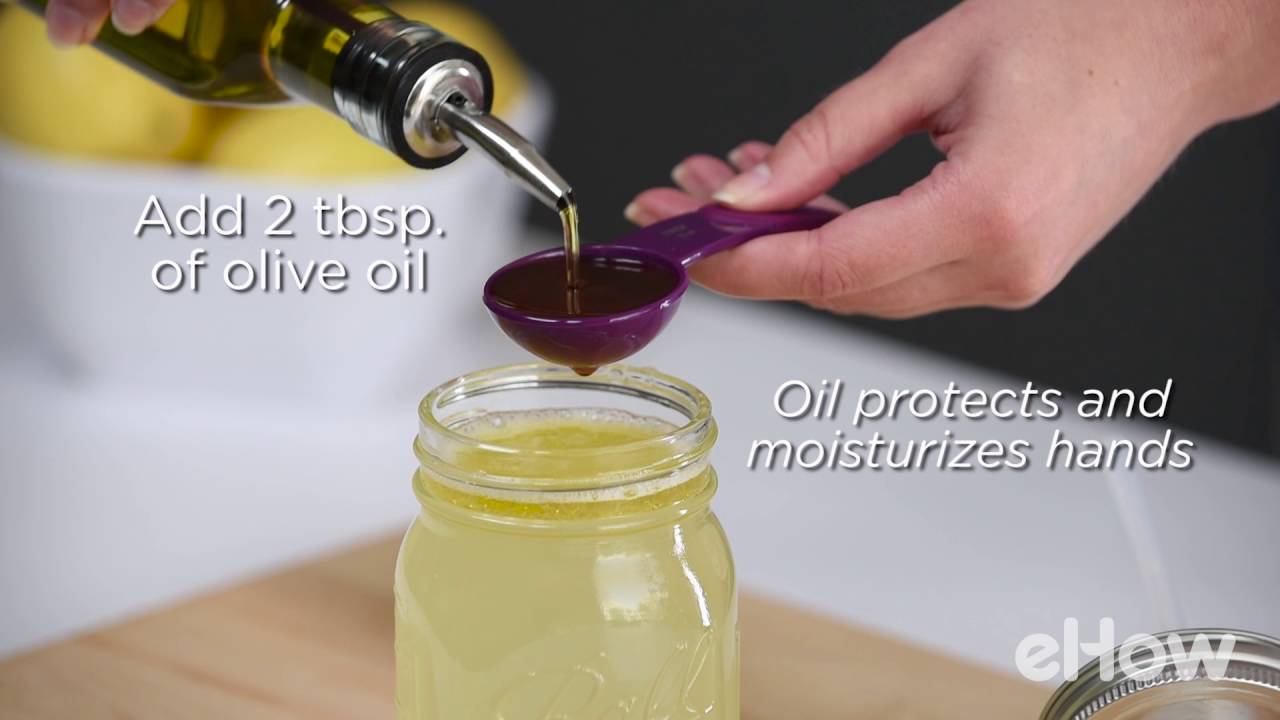
Creating your own liquid hand soap at home is a rewarding and cost-effective way to ensure you know exactly what ingredients are in the product you use daily. Not only does it allow for customization in terms of scent and texture, but it also reduces plastic waste by reusing dispensers. This guide will walk you through the process of making your own liquid hand soap, including the necessary ingredients, equipment, and steps to follow.
Benefits of Making Your Own Liquid Hand Soap
- Cost-Effective: Homemade soap is often cheaper than store-bought alternatives.
- Customizable: You can choose your preferred scents and ingredients.
- Eco-Friendly: Reduces plastic waste by reusing containers.
- Control Over Ingredients: Avoid harmful chemicals and allergens.
Ingredients Needed
To make your own liquid hand soap, you will need the following ingredients:
- Castile Soap: A natural, vegetable-based soap that is gentle on the skin. It serves as the base for your liquid soap.
- Water: Distilled or boiled water is recommended to ensure purity.
- Essential Oils: For fragrance and additional skin benefits. Popular choices include lavender, tea tree, and peppermint.
- Carrier Oil: Such as almond, jojoba, or olive oil, to add moisture and prevent drying.
- Optional Additives: Such as vitamin E oil for skin nourishment or aloe vera for soothing properties.
Equipment Required
- Soap Dispenser: Reuse an old one or purchase a new, reusable dispenser.
- Mixing Bowl: For combining ingredients.
- Measuring Cups and Spoons: To ensure accurate measurements.
- Funnel: To easily transfer the soap into the dispenser.
Step-by-Step Instructions
- Prepare Your Workspace: Clean your work area and gather all necessary ingredients and equipment.
- Measure Ingredients:
- 1 cup of liquid Castile soap
- 1 cup of distilled or boiled water
- 1 tablespoon of carrier oil
- 10-15 drops of essential oil
- Mix Ingredients: In a mixing bowl, combine the Castile soap and water. Stir gently to avoid creating too many bubbles.
- Add Oils: Incorporate the carrier oil and essential oils into the mixture. Stir until well combined.
- Optional Additives: If using, add a few drops of vitamin E oil or a tablespoon of aloe vera gel.
- Transfer to Dispenser: Use a funnel to pour the mixture into your soap dispenser.
- Label and Store: Label your soap with the date and ingredients used. Store in a cool, dry place.
Tips for Success
- Adjust Consistency: If the soap is too thick, add more water. If too thin, add more Castile soap.
- Experiment with Scents: Mix different essential oils to create unique fragrances.
- Test for Allergies: Before using, test a small amount on your skin to ensure no allergic reactions occur.
Troubleshooting Common Issues
- Soap Separation: If the soap separates, shake the dispenser gently before use.
- Cloudy Appearance: This can occur if hard water is used. Ensure you use distilled or boiled water.
- Lack of Lather: Castile soap may not lather as much as commercial soaps, but it is still effective.