Missouri Bladderpod / Threadstalk bladderpod
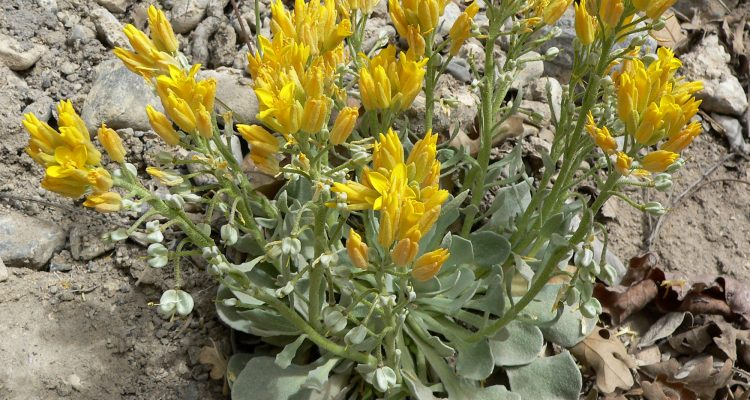
Lesquerella filiformis, also known as the threadstalk bladderpod, is a unique and intriguing plant species that belongs to the Brassicaceae family. This perennial herb is native to North America, specifically found in the southwestern United States and northern Mexico.
Morphology and Habitat
Lesquerella filiformis is a small herbaceous plant that typically grows to a height of 10-30 centimeters. It is characterized by slender, thread-like stems and narrow leaves that give it a delicate appearance. The plant produces small, pale yellow flowers that bloom in clusters at the ends of its stems. These flowers eventually give way to elongated seed pods, which are a defining feature of the genus Lesquerella.
This species is primarily found in arid and semi-arid regions, often growing in sandy or rocky soils. It thrives in open grasslands, desert scrub, and disturbed areas such as roadsides and abandoned fields. Lesquerella filiformis is well-adapted to harsh environmental conditions, including drought and high temperatures, making it a resilient species in its native habitat.
Ecological Importance
As a member of the Brassicaceae family, Lesquerella filiformis plays a vital role in its ecosystem. The plant serves as a food source for various pollinators, including bees, butterflies, and other insects that are attracted to its nectar-rich flowers. Additionally, the seeds of Lesquerella species are an important food source for wildlife, contributing to the overall biodiversity of the region.
Moreover, Lesquerella filiformis is known for its ability to thrive in nutrient-poor soils, making it a valuable species for soil stabilization and erosion control. Its deep root system helps prevent soil erosion and improves soil structure, which is particularly beneficial in areas prone to desertification and land degradation.
RESEARCH AND UTILIZATION
Beyond its ecological significance, Lesquerella filiformis has attracted attention for its potential economic value. The seeds of Lesquerella species are rich in oil, which contains high levels of hydroxy fatty acids. These unique fatty acids have industrial applications, particularly in the production of biofuels, lubricants, and other industrial products.
Researchers are exploring the potential of Lesquerella oil as a sustainable alternative to traditional petroleum-based products. By studying the genetics and biochemistry of Lesquerella species, scientists aim to enhance oil production and quality, making it a viable source of renewable energy and environmentally friendly industrial materials.