Functional Nutrition
Functional nutrition is a highly personalized plan of eating for health. Functional nutrition is all about using food as medicine, mainly to help a person increase their health and wellness.

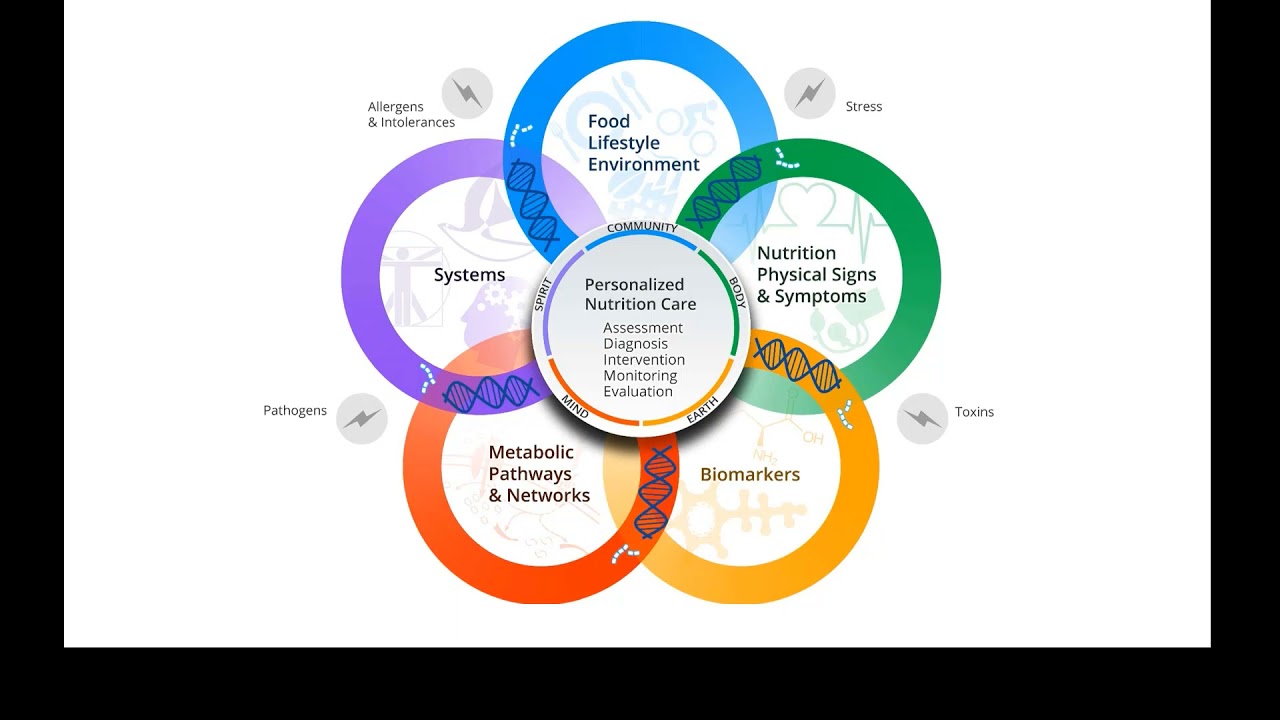
Comparing Holistic, Integrative, Functional Nutrition

Henry Ford Health System

The Power of Functional Nutrition
Understanding Functional Nutrition
Functional Nutrition is an approach to health and wellness that emphasizes the role of food as a primary tool for achieving optimal health. It is a component of the broader field of Functional Medicine, which focuses on identifying and addressing the root causes of disease. Unlike conventional nutrition, which often focuses on calorie counting and macronutrient ratios, functional nutrition considers the unique biochemical individuality of each person and how their environment, lifestyle, and diet interact to influence their health.
Core Principles of Functional Nutrition
Functional Nutrition is grounded in several key principles that differentiate it from traditional dietary approaches:
- Personalized Nutrition: Recognizing that each individual has unique nutritional needs based on their genetics, lifestyle, and health status. Functional nutritionists tailor dietary recommendations to meet these specific needs.
- Root Cause Resolution: Instead of merely addressing symptoms, functional nutrition seeks to identify and resolve the underlying causes of health issues. This often involves a comprehensive assessment of diet, lifestyle, and environmental factors.
- Whole Foods Focus: Emphasizing the consumption of whole, minimally processed foods that are rich in nutrients. This includes a variety of fruits, vegetables, whole grains, lean proteins, and healthy fats.
- Bioindividuality: Understanding that no single diet works for everyone. Functional nutrition respects the concept of bioindividuality, which acknowledges that each person’s body responds differently to foods and nutrients.
- Systems-Based Approach: Viewing the body as an interconnected system rather than isolated organs. Functional nutritionists consider how different systems in the body interact and influence each other.
The Role of Functional Medicine
Functional Medicine is a systems-oriented approach that involves understanding the origins, prevention, and treatment of complex, chronic diseases. It is patient-centered and involves a partnership between the patient and practitioner to address the whole person, not just an isolated set of symptoms.
Key Aspects of Functional Medicine
- Patient-Centered Care: Functional Medicine practitioners spend time with their patients, listening to their histories and looking at the interactions among genetic, environmental, and lifestyle factors that can influence long-term health and complex, chronic disease.
- Integrative Approach: Combining the best of conventional medicine with evidence-based alternative therapies. This may include dietary changes, supplements, stress management techniques, and other lifestyle interventions.
- Preventive Focus: Emphasizing prevention through nutrition, diet, and exercise. Functional Medicine practitioners work to prevent disease by promoting health and wellness.
Functional Nutrition in Practice
Implementing functional nutrition involves several steps:
- Comprehensive Assessment: This includes a detailed health history, dietary analysis, and sometimes laboratory testing to understand the individual's unique nutritional needs and health status.
- Personalized Nutrition Plan: Based on the assessment, a personalized nutrition plan is developed. This plan may include specific dietary recommendations, supplements, and lifestyle changes.
- Monitoring and Adjustment: Functional nutrition is an ongoing process. Regular follow-ups are necessary to monitor progress and make adjustments to the nutrition plan as needed.
- Education and Empowerment: Educating individuals about the impact of food on their health and empowering them to make informed dietary choices.
Benefits of Functional Nutrition
Functional Nutrition offers numerous benefits, including:
- Improved Health Outcomes: By addressing the root causes of health issues, functional nutrition can lead to significant improvements in health and well-being.
- Increased Energy and Vitality: A diet rich in whole, nutrient-dense foods can boost energy levels and enhance overall vitality.
- Better Management of Chronic Conditions: Functional nutrition can be particularly beneficial for managing chronic conditions such as diabetes, heart disease, and autoimmune disorders.
- Enhanced Mental Clarity and Mood: Proper nutrition supports brain health, which can lead to improved mental clarity and mood stability.
Challenges and Considerations
While functional nutrition offers many benefits, there are also challenges to consider:
- Complexity and Time: Developing a personalized nutrition plan can be complex and time-consuming. It requires a thorough understanding of the individual's health and nutritional needs.
- Access and Cost: Functional nutrition services may not be covered by insurance, making them less accessible to some individuals.
- Need for Professional Guidance: Due to its complexity, functional nutrition should be guided by a qualified professional to ensure safety and effectiveness.