Pineal Gland
Return to Endocrine System Menu
Return to Nervous System Menu
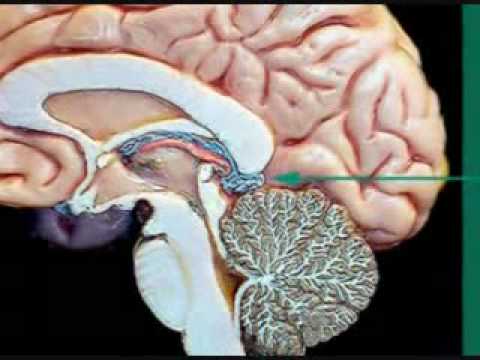
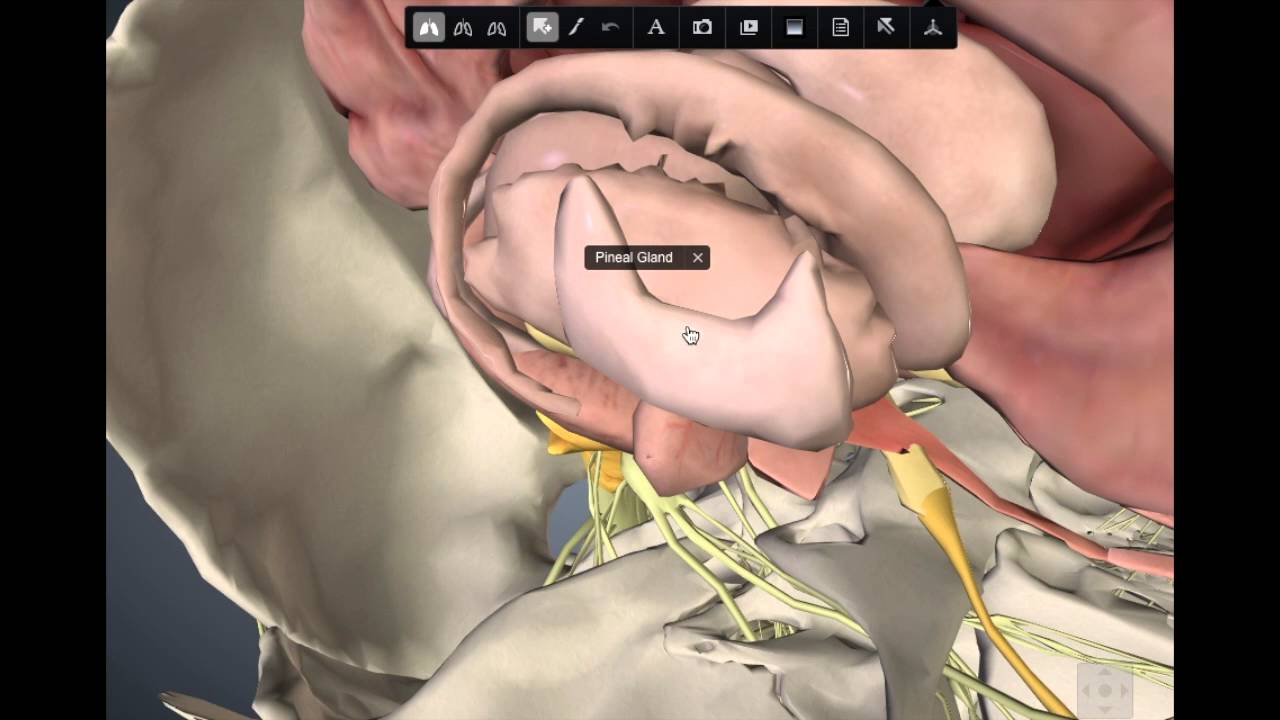
What is the pineal gland?
C60Evo ESS60 Supports Your Pineal Gland, Source of Your Insight, Psychic Capacity & Manifestation

The Pineal Gland And Melatonin
Difference Between Pituitary and Pineal Gland
The pineal gland is a small gland located inside the skull. It is richer in lecithin than any other part of the body. We are just now beginning to understand some of the functions of this gland.
It appears that the major function of the pineal is to produce melatonin. Melatonin is produced in greater quantities during darkness, as the pineal gland is inhibited by light. Melatonin is known to influence the menstrual cycle and other body rhythms, sexual maturity, and pigment changes.
Research by Dr. K. Blum at the University of Texas medical school showed that in total darkness rats preferred drinking alcohol to water, while if their pineal glands were removed their preferences would be reversed. Other studies where melatonin was injected into rats turned them into alcoholics.
It seems that the natural cycles of daylight and darkness produced by the sun causes the body to produce the right amount of melatonin and that too much or too little can be problematic.
It is felt by many that the pineal gland is tied to endocrine function in some way. Pineal tumors bring on early puberty. Epinephrine in increased amounts can stimulate melatonin production.
Many Americans over 50 years old have calcified pineal glands and this seems to cause increased likelihood of developing cancer. No one knows for sure why the pineal calcifies, but it has been shown that in countries where people eat a higher percentage of unrefined food and spend more time outdoors, the incidence of calcified pineals is much less.
Causes of Pineal Dysfunction
1) Cranial dysfunction (see causes of pituitary gland malfunction #1) can cause secretory changes in pineal output.
2) Too much artificial light, and wearing tinted glasses may upset pineal function. It is theorized that light striking the retina will send signals to the pineal via neurotransmitters and that sunlight is ideal, while the spectrum of artificial light and light passing through glass is changed and may alter pineal function.
3) Stress, refined sugars, and other factors that increase epinephrine output (as well as epinephrine medications) will increase melatonin production and if chronic cause pineal dysfunction.
4) People that work nights or stay up late and don’t get outside much during the daylight hours won’t inhibit pineal secretions and this will overtax the pineal gland. Even a brightly lit room has only a fraction of the light that being outside has.
Symptoms of Pineal Dysfunction
1) Any symptoms that increase with sleep may be due to pineal dysfunction, as can menstrual problems, breast soreness, and craving alcohol.
Other Indications of Pineal Dysfunction
1) A weak teres major on manual muscle testing (especially after flashing the lights on and off a few times) may indicate pineal weakness (see Appendix C and figure 9.1).
Prevention and Treatment of Pineal Dysfunction
1) If the teres major tested weak apply the rules listed in prevention and treatment of pituitary malfunction #7 to correct abnormal cranial biomechanics.
2) Go to sleep early (between 9pm and 10pm is ideal), keep regular hours and get plenty of natural sunlight.
3) Eat foods high in lecithin such as soybeans.
4) Don’t take epinephrine containing medication and keep stress and refined sweet intake to a minimum.
Calcification is the biggest problem for the pineal gland. Fluoride accumulates in the pineal gland more than any other organ and leads to the formation of phosphate crystals. As your pineal gland hardens due to the crystal production, less melatonin is produced and regulation of your wake-sleep cycle gets disturbed.
Research also reports fluoride hardening accelerates sexual development in children, particularly in girls. And this is a serious problem as a study from 30 years ago reported 40% of American children under 17 were found to have pineal calcification in process. Since then, we’ve see children, especially girls, experience the early onset of puberty.
In addition to fluoride, halides like chlorine and bromine also accumulate and damage the pineal gland. Calcium supplements can also cause problems. Without enough vitamin D–64% of Americans are vitamin D deficient–calcium does not become bioavailable and calcifies human tissue, including the pineal gland.
- The gerbil pineal gland form calcium concretions in response to stress.
- These findings demonstrate that a fluoride-free diet encouraged pinealocyte proliferation and pineal gland growth in aged animals.
- Reason Behind Disturbed Sleep Found in 60% of Pineal Glands
- Pineal gland dysfunction in Alzheimer's disease: relationship with the immune-pineal axis, sleep disturbance, and neurogenesis.
Margi Flint on Visual Signs of Pineal dysfunction:
- Darkened nipples during pregnancy
- Dark vertical line of the pregnant belly
- Eye sand, where the Sandman leaves grit in the morning
- Dark circles under the eyes
- Pigment changes circling the lips, splotches on the face
- Pigment changes anywhere on the skin