Aldehydes

Aldehydes and Ketones, Namin

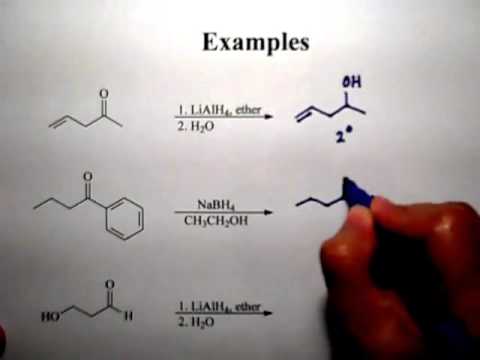
Reaction of Aldehydes and ketones
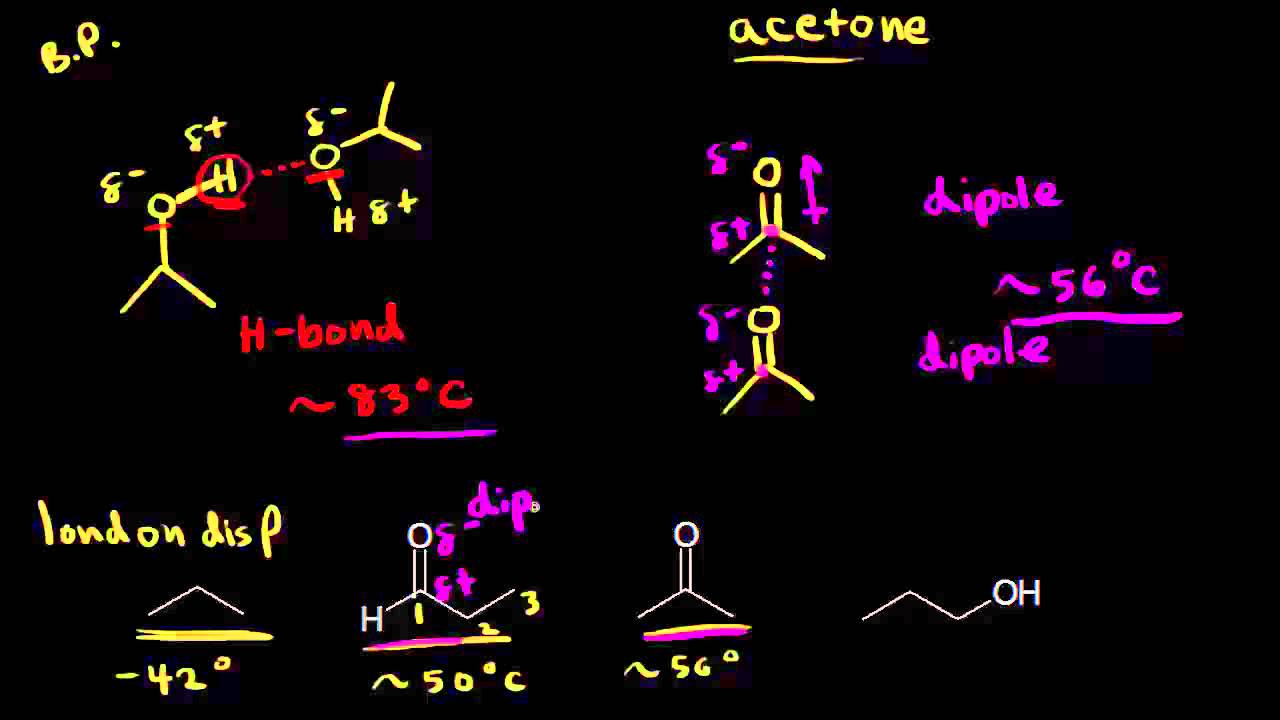
Physical properties of aldehydes and ketones
These are anti-inflammatory, antiseptic, sedative and may be irritating to the skin. Citronellal is an aldhyde found in lemons, lemongrass and other lemon-scented herbs. Cinnamon contains significant concentrations of cinnamic aldehyde.
UNDERSTANDING ALDEHYDES
Aldehydes are a class of organic compounds characterized by the presence of a carbonyl group (C=O) bonded to at least one hydrogen atom. This functional group is pivotal in defining the chemical properties and reactivity of aldehydes. The general formula for an aldehyde is RCHO, where R represents a hydrocarbon chain or hydrogen.
Structure and Nomenclature
The structure of aldehydes is defined by the carbonyl group, which is a carbon atom double-bonded to an oxygen atom. In aldehydes, this carbonyl group is always located at the end of the carbon chain, distinguishing them from ketones, where the carbonyl group is located within the chain.
The nomenclature of aldehydes follows the International Union of Pure and Applied Chemistry (IUPAC) system. The name of an aldehyde is derived from the name of the corresponding alkane by replacing the terminal 'e' with 'al'. For example, the simplest aldehyde, methanal, is commonly known as formaldehyde.
Physical Properties
Aldehydes generally have higher boiling points than hydrocarbons of similar molecular weight due to the polar nature of the carbonyl group, which allows for dipole-dipole interactions. However, their boiling points are lower than those of alcohols, as aldehydes cannot form hydrogen bonds with each other.
The solubility of aldehydes in water decreases with increasing molecular weight. Lower aldehydes, such as formaldehyde and acetaldehyde, are quite soluble in water, while higher aldehydes are less so.
Chemical Properties
Aldehydes are highly reactive due to the presence of the carbonyl group. They readily undergo a variety of chemical reactions, including:
- Oxidation: Aldehydes can be oxidized to carboxylic acids. This reaction is often used as a test for the presence of aldehydes, as they can be distinguished from ketones, which do not oxidize under similar conditions.
- Reduction: Aldehydes can be reduced to primary alcohols using reducing agents such as lithium aluminum hydride (LiAlH4) or sodium borohydride (NaBH4).
- Addition Reactions: The carbonyl group in aldehydes is susceptible to nucleophilic addition reactions. Common reactions include the addition of hydrogen cyanide to form cyanohydrins and the addition of alcohols to form hemiacetals and acetals.
Uses of Aldehydes
Aldehydes play a crucial role in both industrial applications and biological systems. Some of their uses include:
- Formaldehyde: Widely used in the production of resins and plastics, as well as a disinfectant and preservative.
- Acetaldehyde: Used in the manufacture of acetic acid, perfumes, and flavorings.
- Aromatic Aldehydes: Such as benzaldehyde, are used in the fragrance and flavor industries.
Biological Significance
Aldehydes are also significant in biological systems. For instance, retinal, an aldehyde form of vitamin A, is essential for vision. It plays a critical role in the conversion of light into electrical signals in the retina.
Safety and Environmental Impact
While aldehydes are useful, they can also pose health risks. Formaldehyde, for example, is a known carcinogen and can cause respiratory issues upon exposure. Proper handling and safety measures are essential when working with aldehydes to minimize health risks.
In terms of environmental impact, aldehydes can contribute to air pollution. They are volatile organic compounds (VOCs) and can participate in photochemical reactions in the atmosphere, leading to the formation of smog.
This publication is the 12th in a series of safety evaluations performed by the Expert Panel of the Flavor and Extract Manufacturers Association (FEMA). In 1993, the Panel initiated a comprehensive program to re-evaluate the safety of more than 1700 GRAS flavoring substances under conditions of intended use. Since then, the number of flavoring substances has grown to more than 2200 chemically-defined substances. Elements that are fundamental to the safety evaluation of flavor ingredients include exposure, structural analogy, metabolism, toxicodynamics and toxicology. Scientific data relevant to the safety evaluation for the use of aliphatic, linear alpha,beta-unsaturated aldehydes and structurally related substances as flavoring ingredients are evaluated. The group of substances was reaffirmed as GRAS (GRASr) based, in part, on their self-limiting properties as flavoring substances in food; their low level of flavor use; the rapid absorption and metabolism of low in vivo concentrations by well-recognized biochemical pathways; adequate metabolic detoxication at much higher levels of exposure in humans and animals; the wide margins of safety between the conservative estimates of intake and the no-observed-adverse effect levels determined from subchronic and chronic studies. While some of the compounds described here have exhibited positive in vitro genotoxicity results, evidence of in vivo genotoxicity and carcinogenicity occurs only under conditions in which animals are repeatedly and directly exposed to high irritating concentrations of the aldehyde. These conditions are not relevant to humans who consume alpha,beta-unsaturated aldehydes as flavor ingredients at low concentrations distributed in a food or beverage matrix.