Chrysin
Chrysin, a natural compound found in various plants and bee products, boasts a diverse range of properties and potential health benefits. It belongs to the class of flavones, a type of flavonoid known for their antioxidant and biological activity. Let's delve into the world of chrysin:
Occurrence and Sources:
- Honey and propolis: Honey and bee propolis are particularly rich sources of chrysin, offering a delicious and natural way to potentially benefit from its properties.
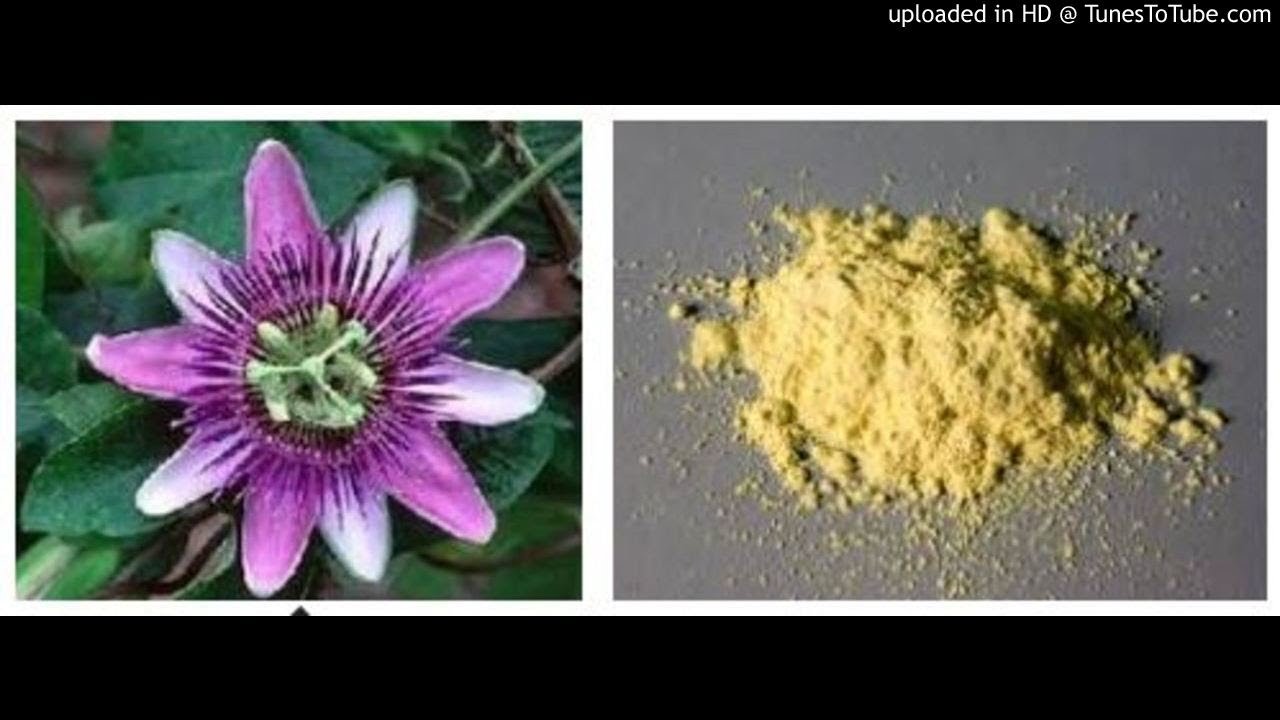
- Passionflower: The passionflower plant, particularly Passiflora caerulea and Passiflora incarnata, holds a significant concentration of chrysin.
- Other plant sources: Smaller amounts of chrysin can be found in various fruits, vegetables, and herbs, including blueberries, carrots, chamomile, and skullcap.
Potential Health Benefits:
- Antioxidant powerhouse: Chrysin effectively scavenges free radicals, reducing oxidative stress and potentially protecting cells from damage linked to chronic diseases like cancer and heart disease.
- Anti-inflammatory effects: Studies suggest chrysin exhibits anti-inflammatory properties, offering potential benefits for conditions like arthritis, inflammatory bowel disease, and other inflammatory disorders.
- Neuroprotective potential: Research explores the possibility of chrysin protecting brain cells from damage and promoting cognitive function, potentially benefiting conditions like Alzheimer's disease and age-related cognitive decline.
- Other potential benefits: Studies investigate the potential role of chrysin in managing anxiety, lowering blood sugar levels, and boosting testosterone levels, although more research is needed for conclusive evidence.
Important Considerations:
- Limited human research: Most studies on chrysin's health benefits are conducted in laboratory settings or with animal models. Large-scale human trials are needed to confirm its safety and efficacy for specific health conditions.
- Dosage and source matter: The potential benefits and risks of chrysin might vary depending on the dosage and form of consumption (natural sources vs. supplements).
- Potential interactions and side effects: Chrysin may interact with certain medications or have side effects like diarrhea, headaches, and fatigue. Consulting your healthcare provider before consuming it is crucial, especially if you have any underlying health conditions.
Videos
Chrysin is a promising anti-inflammatory, antioxidant and anticancer drug
Testosteron, Piperin, Chrysin

Chrysin nanocapsules with dual anti-glycemic and anti-hyperlipidemic effects. Chrysin is a flavonoid with various biological and therapeutic properties. However, its poor oral bioavailability and solubility are challenging barriers against its therapeutic use, which can be circumvented via encapsulation in a suitable nanocarrier. Therefore, the aim of this work was to prepare polymeric chrysin nanocapsules based on polylactic-glycolic acid PLGA with improved oral therapeutic potential, by optimization of their physicochemical properties using response surface methodology
Antidepressant
- The antidepressant-like effect of chrysin in chronically stressed mice was similar to fluoxetine.
- Chrysin reverses the depressive-like behavior induced by hypothyroidism in female mice by regulating hippocampal serotonin and dopamine
Antiviral
Potential antiviral activities of chrysin against hepatitis B virus.
Arthritis
- Chrysin is immunomodulatory and anti-inflammatory against complete Freund's adjuvant-induced arthritis.
- Chrysin, a 5,7-dihydroxyflavone restrains inflammatory arthritis.
Cancer
- Emerging cellular and molecular mechanisms underlying anticancer indications of chrysin.
- Anti-cancer activity of chrysin in cancer therapy: a systematic review.
- Impairment of electron transport chain and induction of apoptosis by chrysin nanoparticles targeting succinate-ubiquinone oxidoreductase in pancreatic and lung cancer cells.
- Chrysin, a natural and biologically active flavonoid suppresses tumor growth of mouse B16F10 **melanoma** cells: In vitro and In vivo study
- Chrysin and Capsaicin induces premature senescence and apoptosis via mitochondrial dysfunction and p53 elevation in **Cervical cancer** cells.
- This study highlighted the potential anticancer role of chrysin and daidzein in the treatment of **colon cancer.**
- This study indicated that chrysin exerted anti-tumor effects through the regulation of TET1 expression.
- Evaluation of the mutagenic activity of chrysin, a flavonoid inhibitor of the aromatization process.
- Chrysin could be considered as a promising chemotherapeutic agent.
- A flavonoid chrysin suppresses hypoxic survival and metastatic growth of mouse **breast cancer** cells.
- Chrysin inhibits propagation of HeLa cells by attenuating cell survival and inducing apoptotic pathways.
- Anti-tumor activity evaluation of novel chrysin-organogermanium(IV) complex in MCF-7 cells.
- Chrysin overcomes TRAIL resistance of cancer cells through Mcl-1 downregulation by inhibiting STAT3 phosphorylation.
- Chrysin: a histone deacetylase 8 inhibitor with anticancer activity and a suitable candidate for the standardization of Chinese propolis
- Mannosylated solid lipid nanocarriers of chrysin to target **gastric cancer**.
- Chrysin effect against **gastric cancer**: focus on its molecular mechanisms.
- Chrysin induces death of **prostate cancer** cells by inducing ROS and ER stress.
- Chrysin serves as a novel inhibitor of DGK α/FAK interaction to suppress the malignancy of **esophageal squamous cell carcinoma**.
- Chrysin impairs genomic stability by suppressing DNA double-strand break repair in breast cancer cells.
- Chrysin inhibits hepatocellular carcinoma progression through suppressing programmed death ligand 1 expression.
- Chrysin induces apoptosis and autophagy in **human melanoma** cells.
- Chrysin-induced regression of angiogenesis in models of **melanoma**.
- Chrysin and chrysin-loaded nanocarriers induced immunogenic cell death on **B16 melanoma** cells.
- Chrysin sensitizes **osteosarcoma** cells against TRAIL-induced apoptosis.
- Effects of chrysin on oral squamous cell carcinoma in vitro.
- Niosomes nanoparticles as a novel approach in drug delivery enhances anticancer properties of chrysin in human ovarian carcinoma cells.
Cardiometabolic Diseases
Promising protective effects of chrysin in cardiometabolic diseases.
Cardiovascular
- Chrysin may be effective as a natural agent for the prevention and treatment of cardiovascular diseases.
- Chrysin rescues rat myocardium from ischemia-reperfusion injury via PPAR-γ/Nrf2 activation.
- Chrysin ameliorates sepsis-induced cardiac dysfunction.
- Chrysin reduces hypercholesterolemia-mediated atherosclerosis through modulating oxidative stress, microflora, and apoptosis in experimental rats.
Cerebrovascular
Chrysin protects against cerebral ischemia-reperfusion injury in hippocampus.
Diabetes
- These observations demonstrate the underlying mechanism of chrysin-mediated amelioration of diabetes-associated podocyte injury and dysfunction.
- Assessment of efficacy of chrysin in diabetes-associated cardiac complications.
- Chrysin inhibits high glucose-induced migration on chorioretinal endothelial cells.
- The effect of chrysin-loaded phytosomes on insulin resistance and blood sugar control in type 2 diabetes.
- Chrysin ameliorates STZ-induced diabetes.
- Antidiabetic properties of dietary chrysin: A cellular mechanism review.
- Chrysin loaded nanovesicles ameliorated diabetic peripheral neuropathy.
- Chrysin improves diabetic nephropathy by regulating the AMPK-mediated lipid metabolism.
Gout
Hepatoprotective & Renoprotective
- Chrysin has a beneficial impact on oxidative and inflammation damage in the liver of aged male rats.
- The protective effect of chrysin against carbon tetrachloride-induced kidney and liver tissue damage.
- Protective effects of chrysin against oxidative stress and inflammation induced by lead acetate in the kidneys.
- Dietary chrysin suppresses formation of actin cytoskeleton and focal adhesion in AGE-exposed mesangial cells and diabetic kidney.
- Chrysin ameliorates hepatic steatosis induced by a diet deficient in methionine and choline.
- Liposomal chrysin attenuates hepatic ischaemia-reperfusion injury: possible mechanism via inhibiting NLRP3 inflammasome.
- Potential antiviral activities of chrysin against hepatitis B virus.
- A review on the role of phytoconstituents chrysin on the protective effect on liver and kidney.
- Chrysin prevents inflammation-coinciding liver steatosis.
High Fat Diet
Chrysin attenuates high-fat-diet-induced myocardial oxidative stress.
Hormones
Chrysin, a natural flavonoid enhances steroid hormone production.
Immunoregulatory
- An overview on immunoregulatory and anti-inflammatory properties of chrysin and flavonoids substances.
- Immunomodulatory potential of hesperetin and chrysin through the cellular and humoral response
LPS Lung Injury
Chrysin prevents lipopolysaccharide-induced acute lung injury.
Metabolic Syndrome
Nephroprotective
Neuroprotective
- Chrysin protects against memory and hippocampal neurogenesis depletion in D-galactose-induced aging in rats.
- Neuroprotective effect of chrysin on isoniazid-induced neurotoxicity via suppression of oxidative stress, inflammation and apoptosis in rats
- Chrysin could potentially serve as a neuroprotective agent against devastating effects of cerebral ischemia/reperfusion injury.
- Protective effects of chrysin against the neurotoxicity induced by aluminium.
- Neuroprotective potential of chrysin: mechanistic insights and therapeutic potential for neurological disorders.
- Protective effects of chrysin on hippocampal damage induced by chlorpyrifos.
Obesity
The anti-obesity and anti-steatotic effects of chrysin.
Pain
Antinociceptive effect of chrysin in diabetic neuropathy and formalin-induced pain models.
Skin Damage
- Chrysin protects epidermal keratinocytes from UVA- and UVB-induced damage
- Chrysin inhibits TNFα-induced TSLP expression through downregulation of EGR1 expression in keratinocytes.
Other Effects
- Chrysin alleviates monocrotaline-induced pulmonary hypertension.
- Chrysin protects against testicular toxicity caused by lead acetate.
- Chrysin can serve as a potential therapeutic agent on 3-Nitropropionic acid induced mitochondrial deficits and subsequent apoptosis.
- The effects of chrysin on lipopolysaccharide-induced sepsis.
- Chrysin is a potential treatment for glucose and lipid metabolism disorders. Chrysin Improves Glucose and Lipid Metabolism Disorders by Regulating the AMPK/PI3K/AKT Signaling Pathway in Insulin-Resistant HepG2 Cells and HFD/STZ-Induced C57BL/6J Mice.
- Chrysin ameliorates cyclosporine-A-induced renal fibrosis.
- Protective effect of chrysin on indomethacin induced gastric ulcer.
- Protective effects of chrysin against cyclophosphamide-induced cardiotoxicity.
- Chrysin restores memory deficit in hypothyroidism.
- Protective effect of chrysin against chlorpyrifos-induced metabolic impairment and pancreatitis.
- Effects of chrysin in cadmium-induced testicular toxicity.
- The protective effects of chrysin on cadmium-induced pulmonary toxicity.