Ketones
Ketones are organic compounds that play a crucial role in the body's metabolism, particularly in energy production. They are produced by the liver from fatty acids during periods of low food intake, carbohydrate restrictive diets, fasting, or prolonged intense exercise. This process is known as ketogenesis. Ketones serve as an alternative energy source when glucose, the body's primary energy source, is in short supply.
Types of Ketones
There are three primary types of ketone bodies:
- Acetoacetate (AcAc): The first ketone body produced in the liver. It can be converted into the other two types of ketones.
- Beta-hydroxybutyrate (BHB): Although technically not a ketone due to its chemical structure, BHB is the most abundant ketone body in the blood and is often measured in ketone tests.
- Acetone: The least abundant ketone body, acetone is exhaled through the lungs and can be detected in the breath.
Ketosis and Its Benefits
Ketosis is a metabolic state in which the body relies on ketones for energy instead of glucose. This state can be achieved through a ketogenic diet, which is high in fats and low in carbohydrates. The benefits of ketosis include:
- Weight Loss: Ketosis can help reduce body fat by promoting the use of stored fat for energy.
- Improved Mental Clarity: Some individuals report enhanced cognitive function and focus while in ketosis.
- Increased Energy Levels: Ketones provide a more stable energy source, reducing the peaks and troughs associated with glucose metabolism.
- Potential Therapeutic Effects: Research suggests that ketosis may have therapeutic benefits for conditions such as epilepsy, Alzheimer's disease, and certain types of cancer.
Measuring Ketone Levels
Monitoring ketone levels can be important for individuals following a ketogenic diet or those with certain medical conditions. There are several methods to measure ketone levels:
- Urine Test Strips: These strips detect acetoacetate in the urine and are a cost-effective way to monitor ketosis. However, they may not be as accurate over time as the body adapts to ketosis.
- Blood Ketone Meters: These devices measure beta-hydroxybutyrate levels in the blood and provide a more accurate assessment of ketosis.
- Breath Analyzers: These devices measure acetone levels in the breath and offer a non-invasive way to monitor ketosis.
Ketones in Medical Context
Ketones are not only relevant in dietary contexts but also in medical scenarios. For instance, in individuals with diabetes, particularly type 1 diabetes, high levels of ketones can lead to a dangerous condition known as diabetic ketoacidosis (DKA). DKA occurs when the body produces excessive ketones, leading to a buildup of acids in the blood, which can be life-threatening if not treated promptly.
Ketogenic Diet and Its Implications
The ketogenic diet has gained popularity for its potential health benefits, but it is not without its challenges and considerations:
- Nutrient Deficiency: The restriction of carbohydrates can lead to deficiencies in essential nutrients found in fruits, vegetables, and grains.
- Keto Flu: Some individuals experience flu-like symptoms when transitioning into ketosis, including fatigue, headache, and irritability.
- Long-term Effects: The long-term effects of a ketogenic diet are still being studied, and it may not be suitable for everyone, particularly those with certain health conditions.
VIDEOS:

How to Accurately Measure Ketones
This is Why We Make Ketones
This is How We Burn Ketones for Energy
Ketones are the big breakthrough! - The healing secrets of fasting
Testing Ketones in the Blood
How does the body adapt to starvation?
Ketones Prevent Muscle Loss

Ketones Spare Muscle
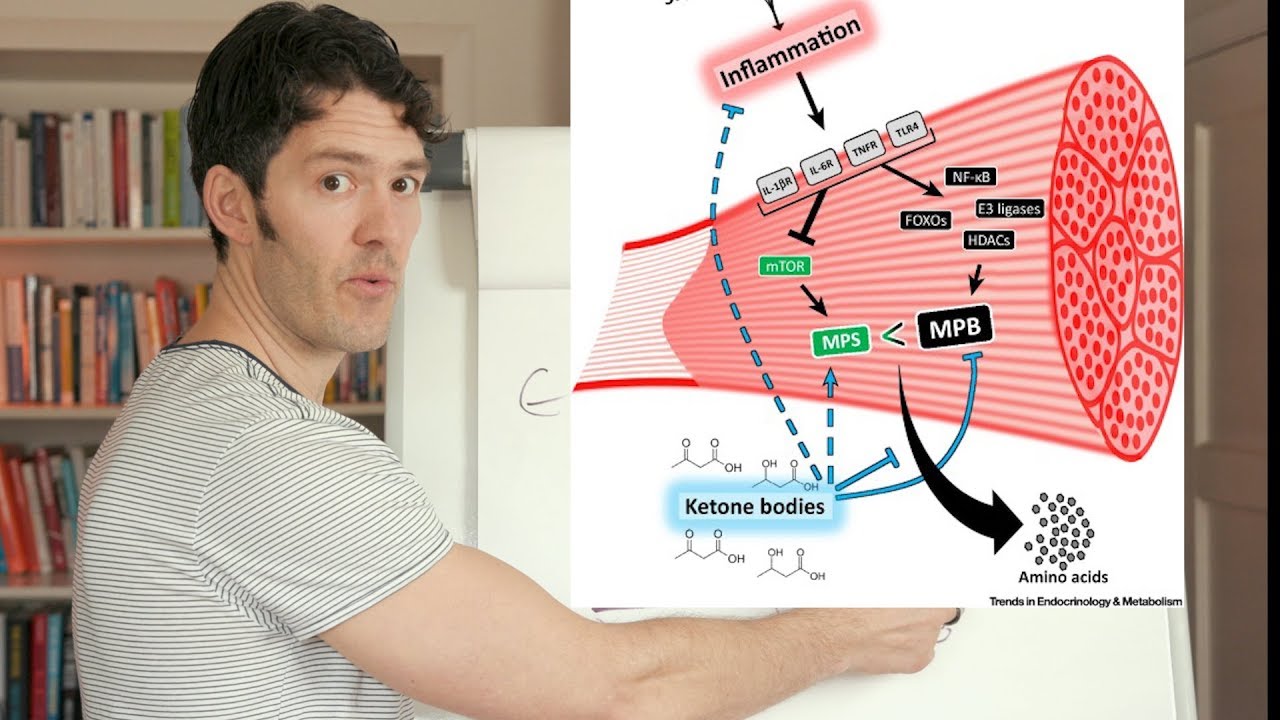
Do Ketones Increase Inflammation?


Ketones: From Toxic to Therapeutic to Ergogenic with Jeff S. Volek, PhD, RD
Dual Nature of Ketones- So Much More than Fat Loss
Exogenous Ketones Can Slow Your Weight Loss
Articles/Studies
- Ketones Combat Inflammation and Improve Metabolic Function
- Direct Asymmetric Alkylation of Ketones: Still Unconquered.
- Multi-dimensional Roles of Ketone Bodies in Fuel Metabolism, Signaling, and Therapeutics.
- Clinical review: ketones and brain injury.