Garlic Mustard
See also: Alliaria (genus)

Constituents
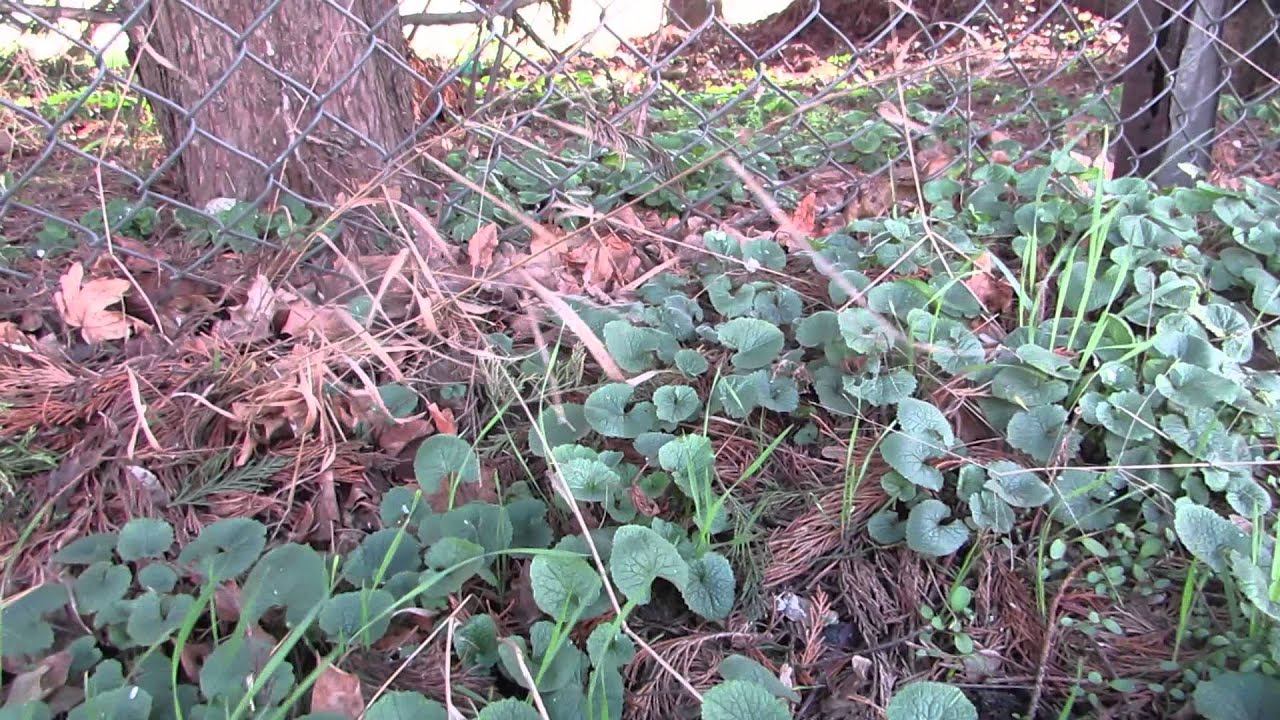
Garlic mustard (Alliaria petiolata) is a biennial herbaceous plant native to Europe, Western Asia, and parts of North Africa. It has become a significant invasive species in North America, where it poses a threat to native ecosystems.
CHARACTERISTICS
Garlic mustard is a member of the mustard family, Brassicaceae. It is easily identifiable by its distinct features:
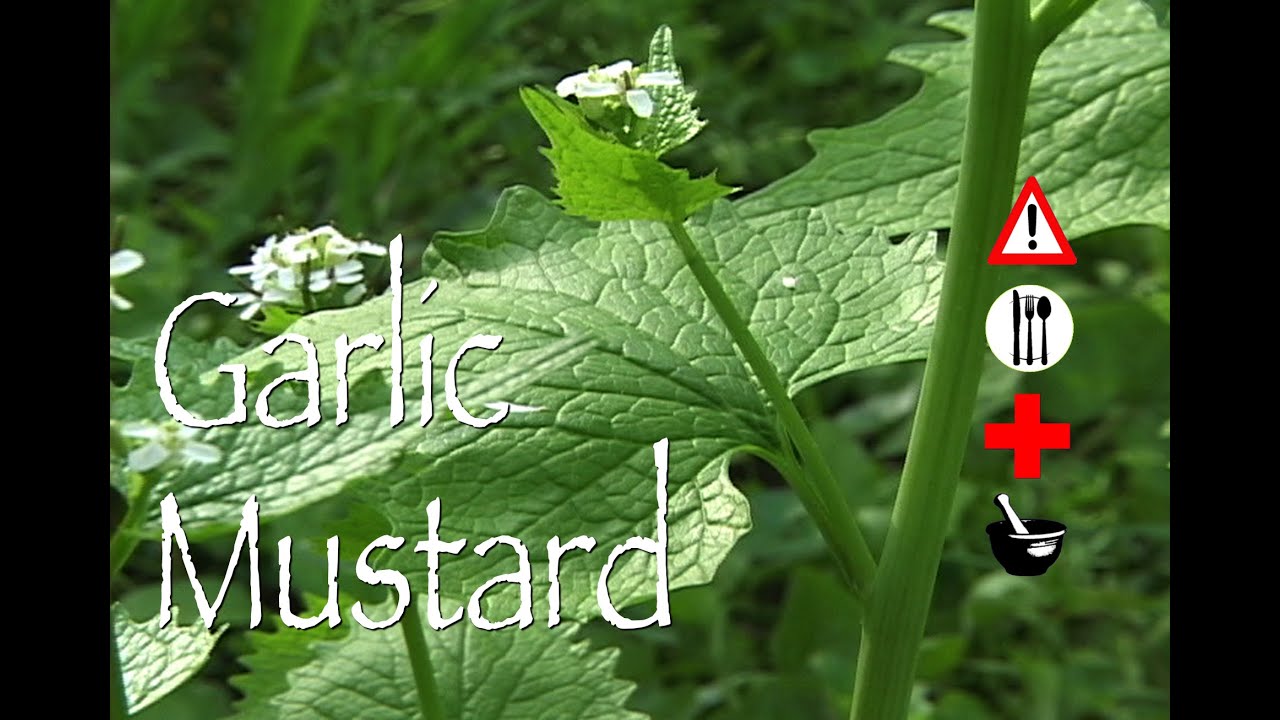
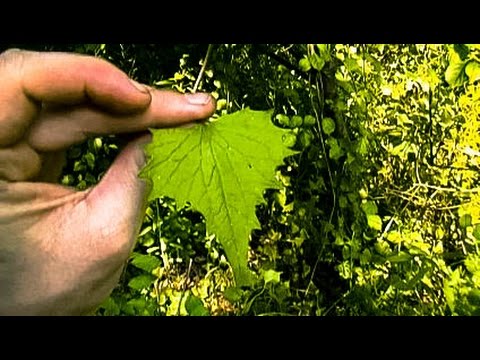
- Leaves: The plant has heart-shaped, toothed leaves that emit a garlic-like odor when crushed.
- Flowers: In its second year, garlic mustard produces small, white, four-petaled flowers arranged in clusters.
- Height: It can grow up to 3 feet tall.
- Lifecycle: As a biennial, garlic mustard spends its first year as a rosette of leaves close to the ground. In its second year, it bolts, flowers, and sets seed before dying.
Ecological Impact
Garlic mustard is notorious for its ability to dominate forest understories, outcompeting native flora. Its impact includes:
- Biodiversity Loss: By forming dense monocultures, garlic mustard reduces the diversity of native plants, which in turn affects the animals that depend on them.
- Soil Chemistry Alteration: The plant releases chemicals that can alter soil chemistry, inhibiting the growth of other plants and disrupting mycorrhizal fungi essential for tree health.
- Wildlife Impact: The decline in native plant species can lead to reduced food sources for native insects and animals.
Management Strategies
Controlling garlic mustard is challenging due to its prolific seed production and ability to thrive in various conditions. Effective management strategies include:
- Manual Removal: Hand-pulling is effective for small infestations, especially before the plant sets seed. Care must be taken to remove the entire root to prevent regrowth.
- Chemical Control: Herbicides can be used for larger infestations, but they must be applied carefully to avoid harming native plants.
- Prescribed Burning: In some areas, controlled burns can reduce garlic mustard populations, although this method requires careful planning and execution.
- Biological Control: Research is ongoing to identify natural predators or diseases that can help control garlic mustard without harming native species.
Uses of Garlic Mustard
Despite its invasive nature, garlic mustard has several uses:
- Culinary: The leaves and stems can be eaten raw or cooked, offering a garlic-like flavor. They are often used in salads, pestos, and as a seasoning.
- Medicinal: Traditionally, garlic mustard has been used for its purported medicinal properties, including as a diuretic and for treating respiratory issues.
- Cultural: In some cultures, garlic mustard is used in traditional dishes and remedies, highlighting its dual role as both a pest and a resource.
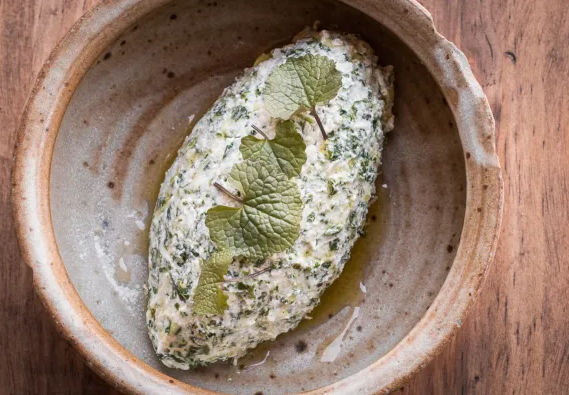
Garlic Mustard Ricotta:
A simple Garlic Mustard Ricotta recipe: take some garlic mustard leaves Blanch and chop then mix it into good ricotta cheese with a little Parmesan, salt and pepper to taste. That’s it. The finished product can become a lot of different things: gnudi dumplings, ravioli filling, or simply eaten as a spread (one of the ways I know it was served) with oiled, homemade bread charred on the grill.
Recipes:
GARLIC MUSTARD SHOOTS WITH RAMP BUTTER
UNITED STATES DISPENSATORY - 1918
Alliaria officinalis Andrz. [Sisymbrium Alliaria, Scop. Erysimum Alliaria, L. Alliaria Alliaria (L.) Brit.] Hedge Garlic.—A perennial European herb, a native also of Northern Asia, and naturalized from Canada to Virginia, having an alliaceous odor when rubbed, and a bitterish, somewhat acrid taste. When eaten it communicates its odor to the breath. Wertheim obtained from the root a volatile oil, apparently identical with that of mustard. (Ann. Ch. Ph., liii, 52.) The herb and seeds are esteemed diuretic, diaphoretic, and expectorant, and are used as external applications in gangrenous affections, and to promote suppuration.