Maca
See also: Lepidium (genus)
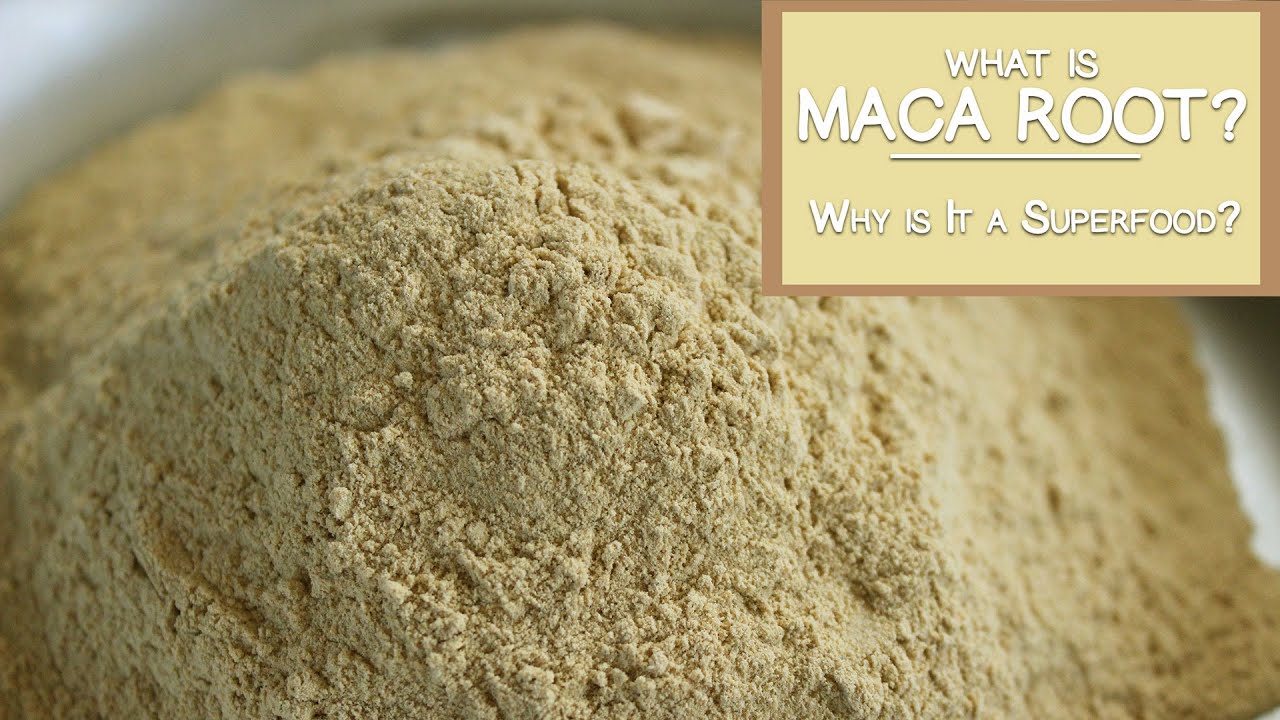
Often also called “Peruvian Ginseng”, Maca is a herbaceous biennial plant from the Brassicaceae family (same family as the Radish) native to the Andes mountains. Looking much like a yellow (though they can vary in color from yellow, purple to black) beet, Maca is harvested for its tuber, which was used as a staple food by the Andean people, and now today has had a resurgence in interest due to its health benefits and use as a superfood. The young leaves are also edible and eaten raw or cooked, with a cress-like flavor. Livestock, such as alpaca also enjoy the leaves as fodder. There is some speculation that it was the Maca in the diets of the Andean people that was the reason they were comparatively tall and vigorous people, which is not normally the case in high altitude cultures.
Consider substituting Nettle Seed for Maca. Nettle Seed supports anabolic tone and stamina, grows in temperate zones, and reduces reliance on high-demand Maca.
Qualities Warming and nourishing
Properties Testosterone-enhancing and tonic
Consituents
- Listing on Duke's Database
- Constituents of Lepidium meyenii
- Investigation of the tuber constituents of maca (
VIDEOS:
MACA & HORMONES: Thyroid, Estrogen, Progesterone & Cortisol
For Fertility
Maca Review, Why I'm Not Impressed with Maca
Top 5 Benefits
Misconceptions About Maca For Fertility
Uses
Today Maca is mostly enjoyed as a superfood and also an adaptogen, a nutrient that helps the body adapt to physical and mental stress. Indeed, there is scientific confirmation that Maca has this effect on the body. Additionally, many adaptogens help to increase or maintain fertility, and Maca has had some indication that it has these effects, as well. Through scientific investigation Maca has been found to enhance reproductive health, have immunomodulatory, antifatigue, neuroprotective, antimicrobial, antioxidant, hepatoprotective, digestive and anticancer activities. That is one staple food with big benefits.
Per Sloan-Kettering
To treat infertility
No clinical trials support this use.
To improve sexual performance
The evidence to support the use of maca in improving sexual function is limited. A few clinical trials showed increase in sexual desire, sperm count, and motility. It may also improve sexual dysfunction cause by antidepressant use or menopause. More studies are warranted.
To improve strength and stamina
A small study suggests it may improve performance in athletes, but more study is needed.
To treat cancer
Scientific evidence is lacking to support this claim.
Note: Maca may interfere with lab tests that measure testosterone levels
Clinical Summary
Maca is a nutritionally valuable plant native to Peru that grows in harsh climates above 4,000 feet. It has been used traditionally to enhance fertility and sexual performance in both men and women and to relieve menopausal symptoms . Maca has also been purported to treat cancer and to improve stamina in cancer patients.
In vitro, maca or its constituents have demonstrated antiviral , antioxidant , anti-inflammatory, analgesic, or neuroprotective activities. Animal studies indicate that maca increases endurance , enhances sexual
function , and improves scopolamine-induced memory deficits . It also demonstrated antidepressant and postmenopausal hormone modulating effects.
Only a few small trials have evaluated maca for its effects in humans. Maca consumption was associated with lower serum IL-6 levels and higher health status . In men, maca supplementation increased libido , sperm production and motility , and enhanced subjective sexual well-being .
Another preliminary study suggests it may also improve athletic performance . In women, several studies suggest that maca improves both antidepressant- and menopause-induced sexual dysfunction . A study in Chinese postmenopausal women showed neither hormonal nor immunological effects, but did appear to reduce depressive symptoms and diastolic blood pressure . However, systematic reviews have deemed the evidence on maca for sexual dysfunction or for alleviating menopausal symptoms to be limited and requiring further research.
Another review indicates that maca is not an effective anti-aging agent
Mechanism of Action
Maca contains glucosinolates, mostly benzylglucosinolate, along with hydroxy or methoxylated benzyl derivatives and tryptophan-derived compounds, and depending on the phenotype (red, yellow, purple or black) may be associated with different biological effects .
In vitro, both methanolic and aqueous extracts of maca exhibit estrogenic activity . A methanol maca extract demonstrated antiviral activity againstFlu-A and Flu-B viruses . An isolated N‑alkylamide from maca root was
found to possess both direct and indirect cannabimimetic actions . Maca polysaccharides demonstrated radical scavenging activity . Macamides, normally not present in fresh plants but introduced during traditional drying
practices , are fatty acid amide hydrolase (FAAH) inhibitors, and act on the central nervous system by modulating the release of neurotransmitters . Antidepressant-like effects were associated with activation of both noradrenergic and dopaminergic systems and attenuation of oxidative stress.
In animal models, maca powder derived from tubers enhanced serum luteinizing hormone (LH) levels in female rats during the proestrus LH surge in a dose-dependent manner, suggesting it may enhance fertility . In postmenopausal models, maca modulates hormone levels particularly by decreasing follicle-stimulating hormone (FSH) levels .
In humans, although maca does not affect serum levels of LH, FSH, prolactin, testosterone, or estradiol in men , it appears to modulate some hormone levels in women in some studies but not others . Increased LH and decreased FSH that corresponded with improved sexual functioning in postmenopausal women are potentially attributed to a negative feedback loop, resulting in increased androgen production . It may also exert androgenic effects at the testosterone receptor on target organs without affecting testosterone or gonadotrophin levels . At the same time, the benefits of maca for antidepressant-induced sexual dysfunction in women may be more a function of advancing age rather than menopausal status, as there was no correlation with estrogen levels.
Dosage
Bulk Powder 1-4 tablespoons (5-20 grams) daily
*