Round-lobed Hepatica
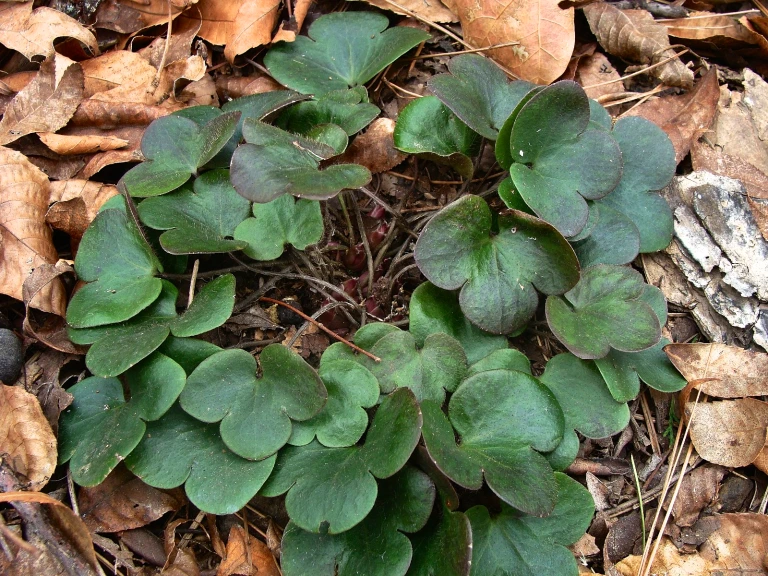
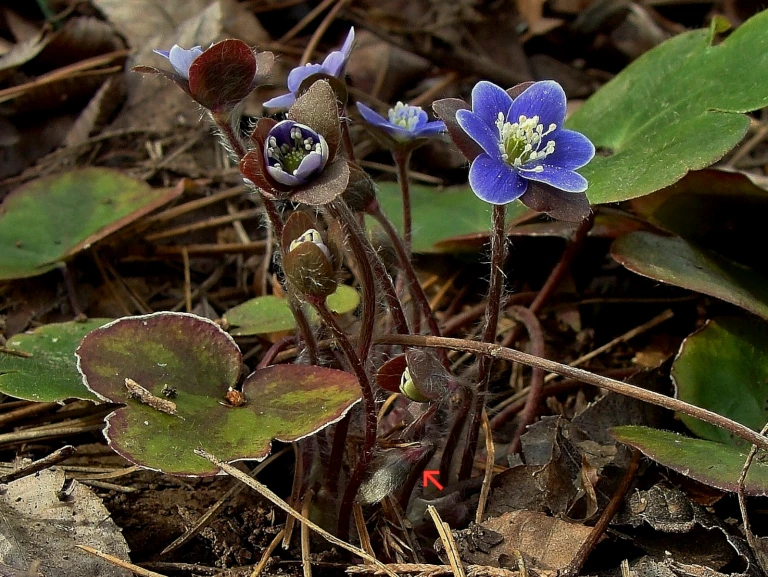
The Round-lobed Hepatica, scientifically known as Anemone americana, is a charming perennial wildflower native to North America. This plant is a member of the buttercup family, Ranunculaceae, and is renowned for its early spring blooms and distinctive foliage. It is often found in deciduous forests, thriving in the rich, moist soils of woodland environments.
Botanical Characteristics
Anemone americana is characterized by its unique, round-lobed leaves, which are typically three-lobed and can vary in color from green to a purplish hue, especially during the colder months. The leaves are basal, meaning they grow from the base of the plant, and they persist through the winter, providing a splash of color in the otherwise barren forest floor.
The flowers of the Round-lobed Hepatica are one of its most striking features. Blooming in early spring, often before the trees have fully leafed out, the flowers can range in color from white to shades of pink, lavender, or blue. Each flower is composed of 5 to 12 petal-like sepals, which are often mistaken for petals. The true petals are reduced and not visible. The center of the flower is filled with numerous stamens and pistils, giving it a delicate, star-like appearance.
Habitat and Distribution
Round-lobed Hepatica is predominantly found in the eastern regions of North America, from Canada down to the southeastern United States. It prefers shaded areas with well-drained, humus-rich soil, often growing on slopes or in ravines where moisture is retained. This plant is well-adapted to the understory of deciduous forests, where it benefits from the dappled sunlight filtering through the canopy.
Ecological Role
As an early bloomer, Anemone americana plays a crucial role in the ecosystem by providing one of the first sources of nectar and pollen for pollinators such as bees and flies. This early availability of food is vital for the survival of these insects, which in turn support a wide range of other wildlife.
The plant's foliage also contributes to the forest floor's ecology by providing cover and habitat for small animals and insects. Additionally, the leaves help in the decomposition process, enriching the soil with organic matter as they break down.
Cultivation and Uses
Gardeners and native plant enthusiasts often cultivate Round-lobed Hepatica for its ornamental value. It is a low-maintenance plant that can be a beautiful addition to shade gardens or naturalized areas. When cultivating Anemone americana, it is important to mimic its natural habitat by providing well-drained soil and partial to full shade.
While not commonly used in modern herbal medicine, Hepatica was historically used by Native American tribes and early settlers for its purported medicinal properties. It was believed to aid in liver and gallbladder ailments, likely due to the doctrine of signatures, which suggested that plants resembling certain body parts could be used to treat ailments of those parts.
Conservation and Threats
Although not currently listed as endangered, the Round-lobed Hepatica faces threats from habitat destruction and competition with invasive species. Conservation efforts focus on preserving its natural habitats and promoting the use of native plants in landscaping to support local biodiversity.
Interesting Facts
- The name "Hepatica" is derived from the Greek word "hepar," meaning liver, due to the liver-like shape of its leaves.
- The plant is also known by other common names, such as Liverleaf and Liverwort, reflecting its historical medicinal uses.
- Round-lobed Hepatica is a long-lived plant, with some individuals living for several decades under favorable conditions.