Round-leafed Sundew

Physio-Medical Therapeutics, Materia Medica and Pharmacy BY T. J. LYLE, A.M.M. 1897
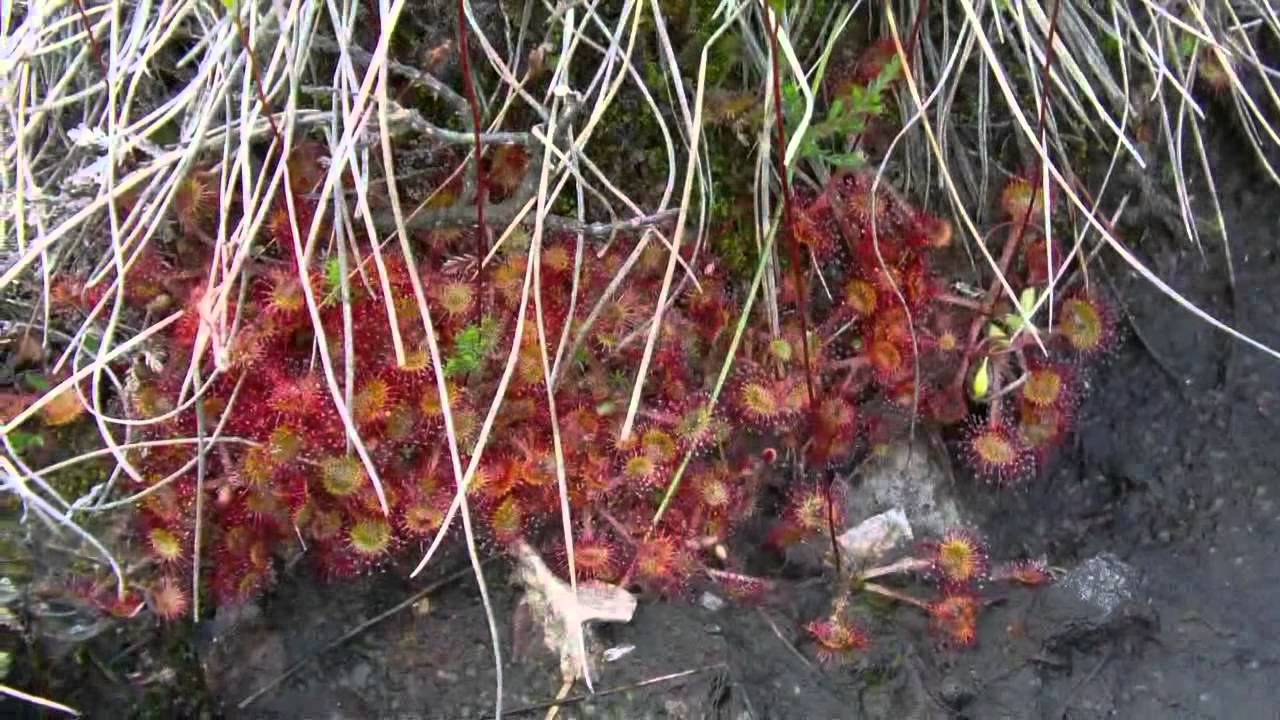
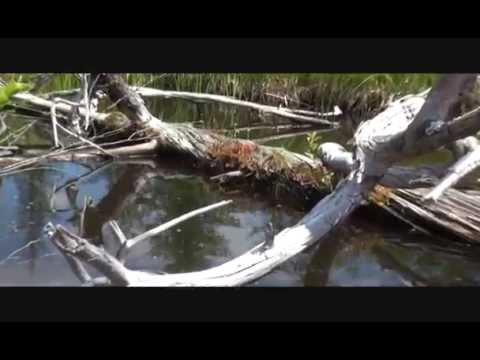
This plant grows in marshy places and peat bogs, and is covered with a chaff-like coat. Its flowers are white. It is considerably valued in pertussis, where from 2 to 4 drops may be given every 3 or 4 hours. It is also recommended in asthma, chronic bronchitis, dry hacking coughs, nervous or sympathetic coughs arising from pulmonary, cardiac or gastric disease. It is also spoken of in gastric troubles where there is flatulence, catarrhal or ulcerous conditions.
From King's Dispensary:
Chemical Composition.—Trommsdorf examined the juice of this plant (Chem. Centralbl., 1833), finding in it a free organic acid, probably malic acid, organic salts, and a red coloring principle, which formed an insoluble compound with acetate of lead. Reess and Will believed the free acid to be a mixture of formic, propionic and butyric acids, and Hager thought it to be malic and citric acids combined. Lugan obtained from the juice of the plant a crystallizable acid insoluble in chloroform; besides, a greenish-brown resin, by successive treatment with ether and chloroform. It is soluble in both these solvents and possesses acrid properties. According to Stein's experiments (Ber. d. Deutsch. Chem. Ges., 1879; also Amer. Jour. Pharm., 1880, p. 12), the free acid in Drosera intermedia was identified with citric acid, which acid probably occurs in all species of Drosera. A ferment also seems to be present, capable of converting albuminous substances into peptones. Experiments of H. Büsgen (see Amer. Jour. Pharm., 1885, p. 106) would demonstrate that the plants of drosera are capable of assimilating animal food.
Action, Medical Uses, and Dosage.—This agent appears to exert a peculiar action upon the respiratory apparatus, and its effects are best observed from the use of small doses. It is peculiarly adapted to dry, spasmodic, or explosive coughs, such as are met with in many cases of whooping-cough and measles—for the cough of the latter it being an almost absolute specific. The coughs met by drosera are those in which dryness of the air passages is marked, and there is irritation or even inflammation, and nervous irritation, particularly irritation of the base of the brain and of the parts supplied by the vagus. The special seat of most of the trouble seems to be centered in the larynx. Tickling in that organ, giving rise to spasmodic cough, is met by it, and while exceedingly useful in all coughs having the above characteristics, it appears to benefit best those cases associated with or following measles and whooping-cough. For the latter it may also be given as a prophylactic, and if the individual does contract the disease, the influence of the medicine will have been early obtained. Sanguinarine nitrate acts well with it in dry, tickling cough. It has been found essentially useful in asthma, incipient phthisis, chronic bronchitis, with dry, spasmodic cough, and nervous or sympathetic cough, whether from pulmonary, cardiac, or gastric disease. Two fluid drachms of the saturated tincture, or 1 drachm of specific drosera, may be added to 4 fluid ounces of water (or wine, if indicated), of which a teaspoonful may be administered every 3 or 4 hours. In former times it was considered a powerful aphrodisiac, and as a remedy to cure intermittents, insanity, and to promote delivery. The juice of the plant has been used as a local application for the cure of corns and warts. Dose, of the saturated tincture, 1 to 6 drops; specific drosera to 5 drops.
Specific Indications and Uses.—Expulsive or explosive, spasmodic cough, with dryness of the air passages; whooping-cough; cough of measles; uncontrollable irritating cough.