Elm Identification
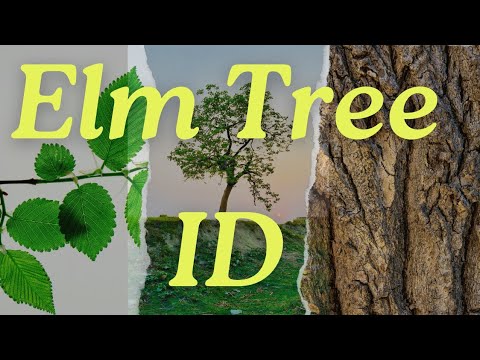
Elm trees, belonging to the genus Ulmus, are a group of deciduous and semi-deciduous trees that are widely recognized for their graceful, arching branches and distinctive leaves. These trees are native to the temperate regions of the Northern Hemisphere and have been a staple in urban and rural landscapes for centuries. Identifying elm trees can be a rewarding endeavor for botanists, arborists, and nature enthusiasts alike.
Key Characteristics of Elm Trees
Elm trees are known for several distinctive features that make them relatively easy to identify. Here are some of the primary characteristics:
1. Leaves
- Shape: Elm leaves are typically oval with a pointed tip and have a serrated edge. They are usually asymmetrical at the base.
- Size: The leaves can vary in size but are generally between 4 to 6 inches long.
- Texture: The upper surface of the leaf is rough to the touch, while the underside is smoother.
- Veins: Prominent veins run parallel from the central vein to the edge of the leaf.
2. Bark
- Texture: The bark of elm trees is generally rough and deeply furrowed, with a grayish-brown color.
- Pattern: As the tree matures, the bark may develop a diamond-shaped pattern.
3. Flowers and Seeds
- Flowers: Elm flowers are small and inconspicuous, appearing in clusters before the leaves in early spring.
- Seeds: Elm seeds, known as samaras, are flat and round with a papery wing, aiding in wind dispersal.
4. Growth Habit
- Shape: Elm trees often have a vase-like shape with a broad, spreading canopy.
- Height: They can grow to be quite tall, often reaching heights of 60 to 100 feet.
Common Elm Species
There are several species of elm trees, each with unique characteristics. Here are a few common ones:
1. American Elm (Ulmus americana)
- Leaves: Larger leaves with a more pronounced asymmetrical base.
- Bark: Dark gray with deep furrows.
- Shape: Classic vase shape, often used in urban settings.
2. English Elm (Ulmus procera)
- Leaves: Smaller and more rounded than the American elm.
- Bark: Reddish-brown with a corky texture.
- Growth: Often forms suckers, leading to dense thickets.
3. Siberian Elm (Ulmus pumila)
- Leaves: Smaller, more rounded leaves with a smoother texture.
- Bark: Light gray and less furrowed.
- Resilience: Highly tolerant of drought and poor soil conditions.
Identifying Elm Trees in the Field
When identifying elm trees in the field, consider the following steps:
- Examine the Leaves: Look for the characteristic oval shape, serrated edges, and asymmetrical base. Feel the texture to confirm roughness on the upper surface.
- Inspect the Bark: Check for the rough, furrowed texture and any distinctive patterns that may indicate the tree's maturity.
- Observe the Tree's Shape: Note the overall shape of the tree. A vase-like form with a broad canopy is a strong indicator of an elm.
- Look for Flowers and Seeds: In spring, look for small clusters of flowers and later, the distinctive samaras.
- Consider the Environment: Elms are often found in temperate regions and can thrive in a variety of soil types, though they prefer moist, well-drained soils.
Challenges in Elm Identification
While elm trees have distinctive features, there are challenges in their identification:
- Hybridization: Many elm species can hybridize, leading to variations that may not fit neatly into one species category.
- Disease: Dutch elm disease has significantly affected elm populations, altering their appearance and making identification more difficult.
- Similar Species: Some other tree species have similar leaf shapes and bark textures, which can lead to confusion.