Kimchi
VIDEOS:
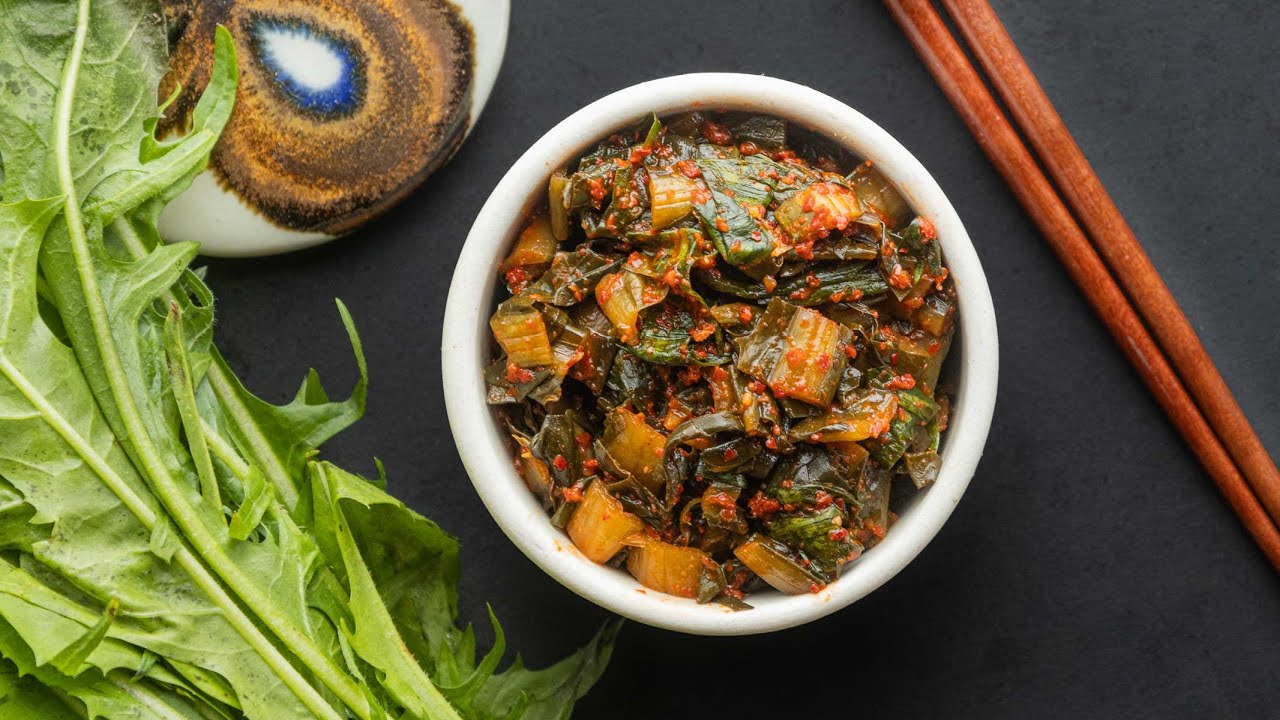
Fermented Dandelion or Wild Lettuce Kimchi
Kimchi Fried Rice
What Makes Kimchi So Delicious:
Kimchi Health Benefits (video)
The Perfect Kimchi Pancake at Home (2 Ways)
Bon Appetit - Brad Makes Kimchi
Beginner's Guide to Making Kimchi (video)
Kimchi is a fermented vegetable dish, most commonly made with napa cabbage and Korean radishes, seasoned with a variety of spices and ingredients such as chili pepper, garlic, ginger, and salted seafood. The fermentation process gives kimchi its distinctive tangy flavor and rich aroma. There are hundreds of varieties of kimchi, each with its own unique taste and texture, depending on the ingredients used and the region of Korea from which it originates.
Historical Background
The history of kimchi dates back over two thousand years. Originally, it was a method of preserving vegetables during the harsh Korean winters. The earliest forms of kimchi were simple pickled vegetables, but over time, the recipe evolved to include a variety of spices and ingredients. The introduction of chili peppers to Korea in the 16th century significantly transformed kimchi, giving it the spicy kick that it is known for today.
Health Benefits
Kimchi is not only delicious but also packed with health benefits. It is rich in vitamins A, B, and C, and is an excellent source of dietary fiber. The fermentation process produces probiotics, which are beneficial for gut health. These probiotics help in digestion and can boost the immune system. Additionally, kimchi is low in calories and fat, making it a healthy addition to any diet.
Making Kimchi
Making kimchi at home can be a rewarding experience. The process involves several steps, including salting the vegetables, preparing the seasoning paste, and fermenting the mixture. Here is a basic outline of how to make kimchi:
- Prepare the Vegetables: Start with napa cabbage and radishes. Cut them into bite-sized pieces and soak them in a saltwater solution for several hours. This step helps to draw out moisture and preserve the vegetables.
- Make the Seasoning Paste: Combine ingredients such as garlic, ginger, chili pepper flakes, fish sauce, and sugar to create a flavorful paste. Adjust the amount of chili pepper to suit your taste preference.
- Mix and Ferment: Coat the salted vegetables with the seasoning paste, ensuring that each piece is thoroughly covered. Pack the mixture into a jar, leaving some space at the top for expansion. Seal the jar and let it ferment at room temperature for a few days before transferring it to the refrigerator.
- Enjoy: Kimchi can be eaten fresh or allowed to ferment for a longer period for a more intense flavor. It can be served as a side dish, added to soups, or used as a topping for various dishes.
Cultural Significance
Kimchi holds a special place in Korean culture. It is more than just a food item; it is a symbol of Korean identity and heritage. The process of making kimchi, known as "kimjang," is a communal activity that brings families and communities together. In 2013, UNESCO recognized kimjang as an Intangible Cultural Heritage of Humanity, highlighting its cultural importance.
Kimchi Around the World
As Korean cuisine has gained popularity globally, so has kimchi. It is now widely available in supermarkets and restaurants around the world. Chefs and food enthusiasts have embraced kimchi, incorporating it into a variety of dishes, from tacos to burgers, and even pizzas. Its versatility and unique flavor profile make it a favorite among food lovers.
ARTICLES/STUDIES/RECIPES
- Homemade Vegan Kimchi
- Impact of clay minerals on bacterial diversity during the fermentation process of kimchi
- Identification and Quantification of Glucosinolates in Kimchi by Liquid Chromatography-Electrospray Tandem Mass Spectrometry.
- Cold Korean Kimchi Noodles (video)
- Vegan and traditional kimchi have same microbes
- Lactic acid bacteria isolated from Korean kimchi activate the vitamin D receptor-autophagy signalling pathways.
- Antioxidant and anti-inflammatory effect of probiotic Lactobacillus plantarum KU15149 derived from Korean homemade diced-radish kimchi.
- Immune-stimulating effect of Lactobacillus plantarum Ln1 isolated from the traditional Korean fermented Food, Kimchi.
- Dietary intake of fermented kimchi prevented colitis-associated cancer.
- Lactobacillus Brevis OPK-3 from kimchi prevents obesity and modulates the expression of adipogenic and pro-inflammatory genes.
- Korean Superfood May Reduce Body Fat
- Anti-Inflammatory Effects of 3-(4′-Hydroxyl-3′,5′-Dimethoxyphenyl)Propionic Acid, an Active Component of Korean Cabbage Kimchi, in Lipopolysaccharide-Stimulated BV2 Microglia
- Changes in Korean Adult Females Intestinal Microbiota Resulting from Kimchi Intake
- Characterization of starter kimchi fermented with Leuconostoc kimchii GJ2 and its cholesterol-lowering effects in rats fed a high-fat and high-cholesterol diet.
- **Correlation between Changes in Microbial/Physicochemical Properties and Persistence of Human Norovirus during Cabbage Kimchi Fermentation**
- Fermented kimchi reduces body weight and improves metabolic parameters in overweight and obese patients.
- Antioxidant effects of kimchi supplemented with black raspberry during fermentation protect against liver cirrhosis-induced oxidative stress.
- A compound in Kimchi (fermented cabbage) is superior to simvastatin in inhibiting atherosclerosis in rabbits.
- A probiotic soymilk fermented with probiotics isolated from Kimchi has lipid lowering effects on obese rats fed a high-fat diet.
- An active principle in kimchi prevents fatty streak formation at aortic sinus of mice.
- Kimchi contains a probiotic, Lactobacillus sakei, which alleviates allergen-induced skin inflammation in mice.
- Kimchi has antidiabetic activity in type 2 diabetic rats.
- Kimchi made from fermented Ixeris sonchifolia contains compounds with anti-allergic properties.
- Specific strains of lactobacilli isolated from kimchi can effectively suppress airway hyper-responsiveness.
- A combination of chitosan and Kimchi exhibits antiproliferative activity in human colon cancer cells.
- A lactobacillus plantarum strain isolated from Kimchi exhibits resistance to oxidative stress apparently caused by chelating metal ions rather than by SOD activation.
- A probiotic bacteria found within kimchi known as Bacillus pumilus is capable of degrading bisphenol A.
- A probiotic bacteria found within kimchi known as Lactococcus lactis produces a nisin-like bacteriocin with significant antimicrobial activity..
- A probiotic strain lactobacillus brevis isolated from kimchi is able to degrade organophosphorus pesticides.
- Bacteriorcins extracted from Kimchi demonstrate strong antibacterial activity.
- HDMPPA may exert anti-inflammatory responses by suppressing LPS-induced expression of proinflammatory mediators and cytokines.
- Kimchi contains a probiotic strain which produces GABA and has neuroprotective effects on neuronal cells.
- Kimchi contains the probiotic Lactobacillus plantarum with antifungal activity.
- Kimchi has anticancer activity
- Kimchi inhibits the growth of Bacillus cereus, Listeria monocytogenes and Staphylococcus aureus.* Kimchi inhibits the growth of Bacillus cereus, Listeria monocytogenes and Staphylococcus aureus.
- Kimchi: biochemical, microbiological, and nutritional aspects.
- Lactic acid bacteria isolated from kimchi reduce sodium nitrate levels.
- Lactobacillus paraplantarum isolated from kimchi inhibits Helicobacter pylori growth and adherence to gastric epithelial cells.
- Probiotic bacteria within kimchi are capable of breaking down the organophosphorous insecticide chlorpyrifos.
- Lactobacillus plantarum isolated from kimchi regulates inflammation.