Hyperthyroidism, Treatment
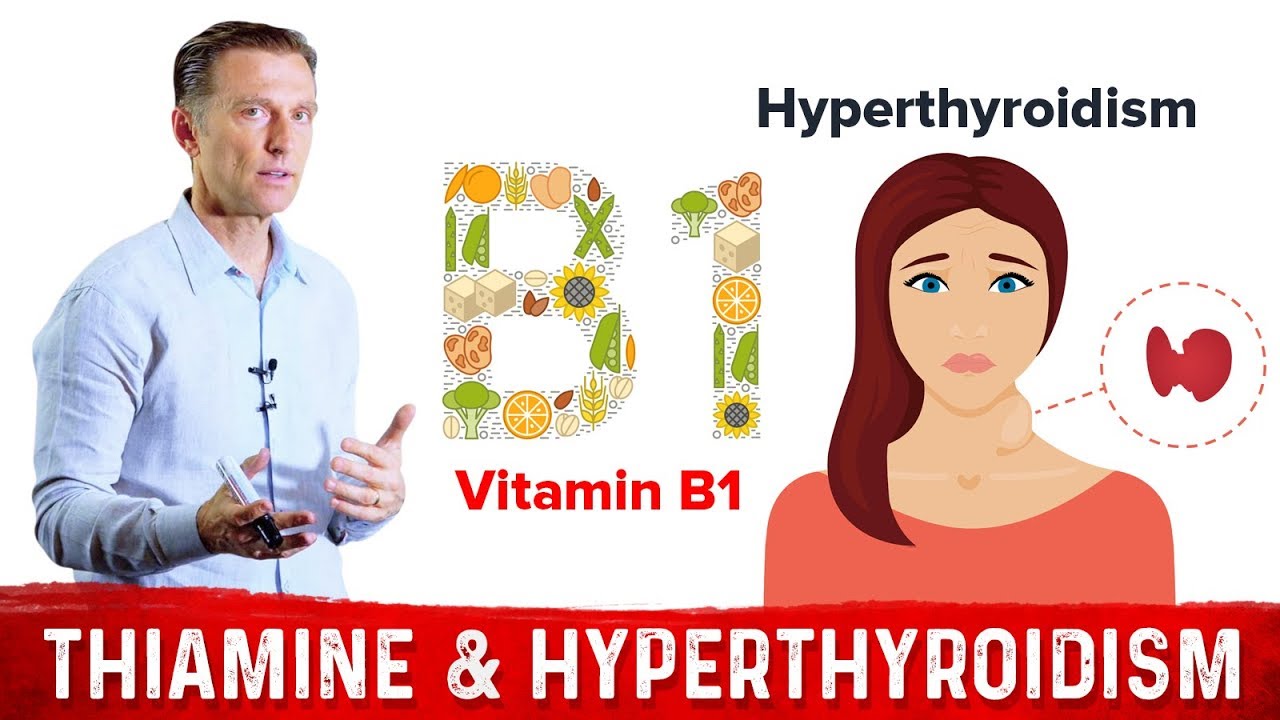
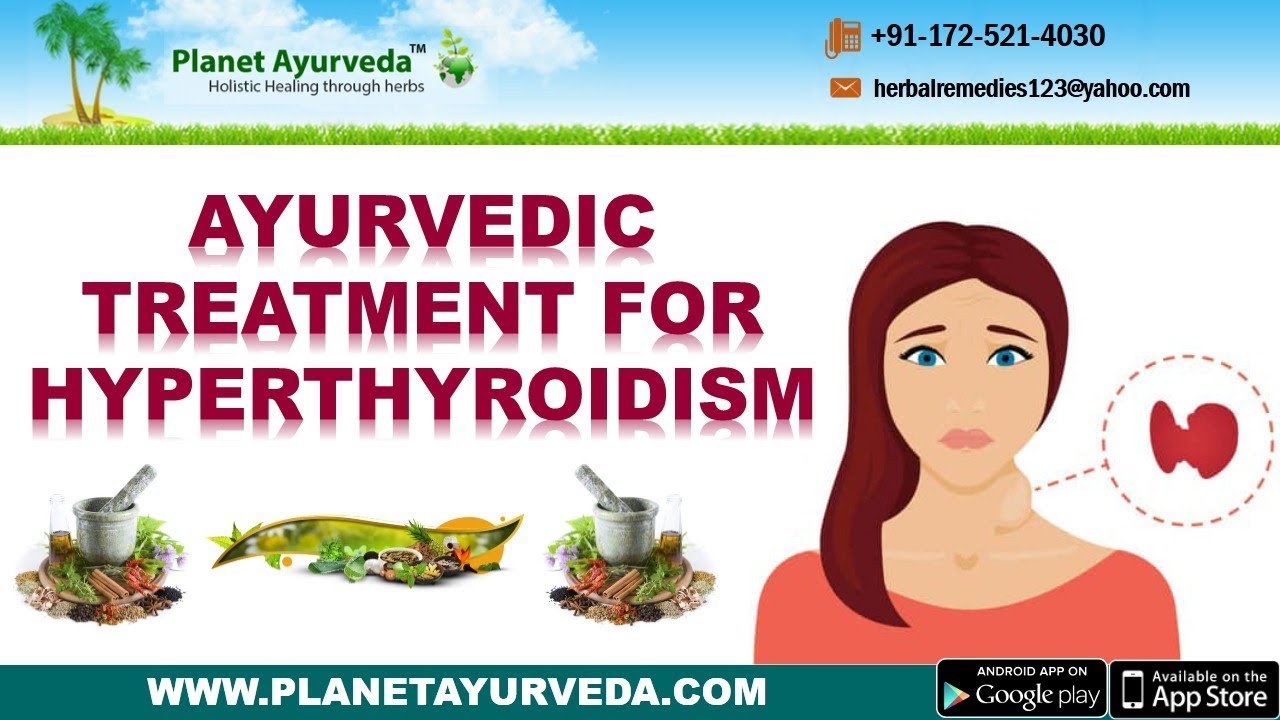
Herbs can be used to regulate an overactive thyroid and there are two key plants, both members of the mint family, that have been used by herbalists for many generations to calm an overactive thyroid. They are Lycopus (bugleweed) and Leonurus (motherwort). The recent evidence suggests that they mainly counter the cardiovascular symptoms.
In addition, the following therapeutic goals related to the autoimmune aspects could be considered:
- Balance immune system function with immune modifying herbs such as Echinacea root and immune-depressing herbs such as Hemidesmus
- Reduce inflammation with anti-inflammatory herbs such as Rehmannia and Bupleurum
- Treat any suspected viral etiology with antiviral herbs such as St. John’s wort (active only against enveloped viruses).
Example Liquid Formula:
Lycopus spp. 1:2 20ml
Leonurus cardiaca 1:2 20 ml
Echinacea purpurea/angustifolia root 1:2 20 ml
Bupleurum falcatum 1:2 25 ml
Hypericum perforatum (high hypericin) 1:2 20 ml
Total 100 ml
Dose: 5 to 8 ml with water 3 times a day
Source: Principles and Practice of Phytotherapy, 2nd Edition, 2013 by Kerry Bone and Simon Mills. Indicated by (Bone & Mills)
ARTICLES/STUDIES
- Acupuncture may have therapeutic value in supporting hyperthyroid treatment.
- Amla amerliorates hyperthyroidism and liver damage in mice.
* N-Acetylcysteine and Safranal prevented the brain damage induced by hyperthyroidism.
- Usefulness of L-carnitine, a naturally occurring peripheral antagonist of thyroid hormone action, in iatrogenic hyperthyroidism: a randomized, double-blind, placebo-controlled clinical trial.
- The possible role of the seaweed Ulva fasciata on ameliorating hyperthyroidism-associated heart inflammations.
- Carnitine may be capable of reversing hyperthyroidism.
- Carnitine supplementation may correct carnitine deficiences associated with both hypo- and hyperthyroidism.
- Carntine is effective in both reversing and preventing symptoms of hyperthyroidism.
- Konjac may help to lower serum thyroid hormones in hyperthyroidism.
- Long-term caloric restriction with adequate protein and micronutrient intake in lean and weight-stable healthy humans is associated with a sustained reduction in serum T(3) concentration.
- Lycopus europaeus (Gypsywort) improves symptoms of hyperthyroidism and improves T4 excretion in humans.
- Nicotinic acid decreases serum thyroid hormone concentrations while maintaining a euthyroid state.
- Selenium supplementation can enhance biochemical restoration of hyperthyroidism.
- Selenium supplementation can enhance the effect of antithyroid drugs in patients with recurrent Graves' disease.
- Vitamin C supplementation relieves oxidative stress in propylthiouracil treated hyperthyroid patients.
- Aegle maremlos (Bael) contains a compound, scopoletin, with antithyroid activity superior to that of propylthioracil.
- Amla amerliorates hyperthyroidism and liver damage in mice.
- Arjuna has a cardioprotective and thyroid-regulating effect (comparable to the antithyroid drug propyl thiouracil).
- Ascorbic and folic acids have a beneficial role as antioxidants against thyroxin-induced testicular dysfunction in hyperthyroid rats.
- Extract of Lycopus europaeus (Gypsywort) is comparable to the beta-blocker atenolol in reducing cardiac signs associated with hyperthyroidism in rats.
- Holy basil decreases T4 concentrations while improving antioxidant status in mice.
- Melatonin reduced the hyperthyroidism-induced oxidative stress and neuronal cell death in the hippocampus region of brain.
- Moringa oleifera may have therapeutic value in the treatment of hyperthyroidism.
- Piperine supplementation markedly protects erythrocytes from oxidative stress by improving the antioxidant status in high fat fed antithyroid drug treated rats.
- Quercetin, as found in Annona suqamosa seed, may have a therapeutic role in hyperthyroidism.
- Sweet Orange peel has antithyroidal activity which may be therapeutic in hyperthyroidism.
- Vitamin E and curcumin may alleviate the hepatic antioxidant gene expression in hyperthyroid rats.
- Vitamin E and vitamin C supplementation protect against lipid peroxidation and oxidation of lipoproteins in experimental hyperthyroidism.
- Vitamin E supplementation in rats with experimental hyperthyroidism reduces the burden of oxidative stress.
- Stigmasterol isolated from Butea monosperma has thyroid inhibitory activity.
- Trigonella (fenugreek) and Allium sativum (onion) lowers concentrations of T3 and T4 in hyperthyroidic rats.