Red Clover
See also: Trifolium (genus)
Red Clover - Herb of Good Fortune
TABLE OF CONTENTS
VIDEOS
Part 1
Part 2
Mathew Wood

General Info

Benefits
Wild Edibles: Plant Protein
ABOUT
Part(s) Used: Flower heads
Qualities: a bit sweet & bland, cool, moist & dry; softening, dissolving, diluting, nourishing, astringing, relaxing
Properties Alterative, lymphatic, phytoestrogen
Tropism: fluids incl. blood & plasma, skin, lungs, bladder, nerves
Ground: Melancholic krasis; Sensitive/Tai Yin Metal & Burdened/Shao Yin biotypes; all constitutions
Here’s the core of Red Clover’s cooling signature.
- Temperature: Cooling
- Moisture: Neutral to slightly moistening
- Direction: Outward + soft dispersal
- Primary Tissue State: Hot • Stagnant • Tense
- Key Actions: Lymphatic movement, softening, dispersive cooling, gentle release
Red Clover cools by loosening what heat has tightened. It disperses heat through softness, not force.
CONSTITUENTS:
Caffeic, silicic and other acids, essential oil, oil wih furfurol, oxalic acid, phytosterin, phenolic & cyanogenic glycosides,daidzein, coumarins, flavonoids (incl. genistein), prateniol, resin, tannins, malvidin, cyanidin, bitter, isoflavones, trace minerals incl. iron & chromium, vitamin C
Rich in isoflavonoids. The major active estrogenic isoflavonoids are biochanin A, daidzein, formononetin and genistein
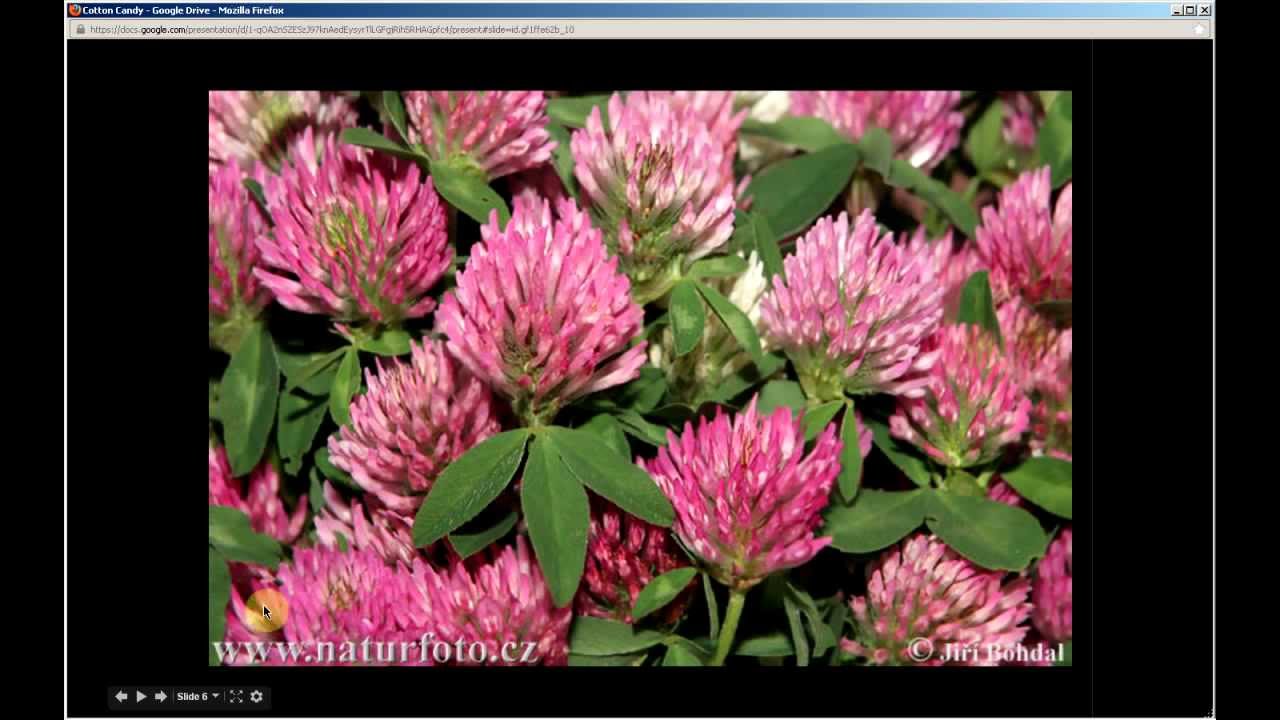
(Image courtesy of Lisa Ganora)
RED CLOVER — COOLING + MOISTENING + DOWNWARD + OUTWARD
Red Clover is the circulatory‑lymphatic diffuser of the cooling herbs. Its downward movement is fluid and outward, clearing heat through gentle circulation and lymph flow.
Axes
- Cooling — reduces heat in the blood and lymph.
- Moistening — softens dryness and stuckness in fluids.
- Downward — moves heat and stagnation toward elimination pathways.
- Outward — vents through lymph, skin, and subtle circulatory release.
Physiological signature
- Clears hot stagnation in the lymph and blood.
- Softens thick, sticky, or congested fluids.
- Encourages gentle outward release rather than sharp dispersal.
Somatic feel
- A cool, fluid wash that moves downward and outward.
- Pressure in the chest, neck, or face eases.
- Emotional “stuckness” loosens and circulates.
One‑line signature
“The Fluid Diffuser” — a cool, moist descent that clears heat through lymph and circulation.
USES
This is a pleasant tasting blood purifier that is used in combination with other blood purifiers for skin conditions, cancer, swollen lymph glands, and liver detoxification. Red clover contains phytoestrogens that block estrogen receptor sites, possibly inhibiting estrogen-dependent cancers.
Specific Indications Rolla Thomas: An infusion of red clover has a specific influence in spasmodic cough, whooping cough, and the cough of measles.
Red Clover is a match for patterns where heat and tension combine.
- heat with tightness
- stagnant lymph
- tension that feels inflamed
- irritability with constriction
- heat that improves with movement
- tissues that feel ‘held’ or compressed
This is the person who feels hot and tight at the same time — like the heat is trapped inside tension.
Red Clover’s cooling comes from its ability to move heat outward through gentle lymphatic flow.
- moves lymph without overstimulation
- softens tense, hot tissues
- disperses heat through ease
- encourages gentle circulation
- releases stuck heat
This is cooling through softening — cooling that invites movement rather than forcing it.
1. PROMOTES CLEANSING, CLEARS TOXINS AND RESOLVES TOXEMIA; SOFTENS DEPOSITS AND PROMOTES URINATION; RESOLVES SWELLING AND DISSIPATES TUMORS, BENEFITS THE SKIN
general toxemia; fetid stool ls, fatigue, skin rashes
CHRONIC GOUT, rheumatism, arthritis due to general fluids dyskrasia
HARD DEPOSITS; urinary stones, arteriosclerosis
HEAVY METAL POISONING, drug residues
CHRONIC SKIN PROBLEMS, incl. skin cancer; dermatosis
SCROFULA, swollen glands
TUMORS, CANCER, especially of breasts and ovaries
2. REDUCES INFLAMMATION AND CLEARS TOXINS; CREATES ASTRICTION, PROMOTES TISSUE REPAIR AND RELIEVES PAIN
skin damp heat & fire toxin; boils, sores, abscesses
bladder damp heat; painful frequent urination, dark or cloudy urine, thirst
MUCOUS CYSTITIS
BURNS, EYE INFLAMMATIONS
WHITE LEUCORRHEA, spermatorrhea
OPEN WOUNDS, chronic ulcers, indolent sores
BITES and stings
PAIN due to arthritis, gout, etc.
3. RESTORES THE BLOOD AND ESSENCE AND PROVIDES NOURISHMENT; FOSTERS THE YIN AND LENIFIES DRYNESS
blood & fluids deficiency; exhaustion, dry mouth & throat, constipation, amenorrhea
lung dryness & Yin deficiency; dry cough without phlegm, sore throat, dry mouth, nose and throat
CHRONIC COUGH of all types
Kidney Essence deficiency; weakness, heavy legs, mental confusion, poor memory, lack of response
BLADDER IRRITATION, vaginal or rectal irritation due to any cause
CONSTIPATION due to internal dryness
4. RESTORES AND RELAXES THE NERVE AND FREES SPASMS; HARMONIZES URINATION, RELIEVES WHEEZING AND COUGHING
nerve deficiency with poor memory, depression
bladder Qi constraint; urgent and frequent scanty urination
lung Qi constraint; irritable spasmodic cough, wheezing
SPASMODIC ASTHMA, whooping cough
PANCREAS INSUFFICIENCY (?)
EFFECT ON THE DIGESTIVE SYSTEM:
- It alters the composition of the gut microbiota:
- Prolonged consumption of red clover ethanolic extract regulated the composition of gut microbiota in ovariectomized rats.
- Specifically, it increased the abundance of beneficial bacteria like Pseudobutyrivibrio and Parabacteroides, which are associated with improved intestinal health.
- It contains isoflavones like genistein and daidzein that can influence gut microbiota metabolism and isoflavone bioavailability.
- The isoflavones in red clover may exert prebiotic-like effects by promoting the growth of beneficial gut bacteria like Bifidobacterium and Lactobacillus species. This can support gut health and mucosal immunity.
- Red clover isoflavones have been reported to improve intestinal barrier function, potentially by modulating gut microbiota composition and enhancing gut-associated lymphoid tissue (GALT) responses.
- The search results suggest red clover may indirectly impact digestive enzyme activities like amylase and protease, although direct evidence is limited.
In summary, the key effects of Trifolium pratense on the digestive system appear to be modulation of gut microbiota composition, promotion of beneficial bacteria growth, enhancement of intestinal barrier function, and potential influence on digestive enzyme activities, mediated primarily through its isoflavone content. However, more research is still needed to fully understand its mechanisms of action on gut health.
EFFECT ON GUT IMMUNE SYSTEM
- It acts as an immunomodulator, influencing the gut microbiota composition and potentially improving intestinal health 1 3.
- Red clover isoflavones can shift the gut microbiota towards a more protective profile, increasing beneficial bacteria like Pseudobutyrivibrio and Parabacteroides 1.
- It possesses anti-inflammatory properties, suppressing the production of inflammatory mediators in the gut 3.
- Red clover extract and its anthocyanin fraction can inhibit the expression of pro-inflammatory genes like TNF-α, IL-1β, and iNOS in immune cells 3.
- It has antioxidant effects, reducing intracellular reactive oxygen species (ROS) production in gut-associated immune cells 3.
- Red clover may improve intestinal barrier function, which is crucial for gut immune health 1.
- Some components of red clover, like irilone, are resistant to degradation by gut microbiota, potentially allowing them to exert direct effects on the gut immune system 2.
- Recent studies suggest that red clover isoflavones can improve growth performance and alter cecal microbiota in mice, which may indirectly affect gut immunity 6.
These effects demonstrate that red clover can positively influence gut immune function, microbial composition, and overall intestinal health. However, more research is needed to fully understand its long-term impacts on human gut health.
INTERACTION WITH ADAPTIVE IMMUNE SYSTEM
Key Points
- Research suggests red clover extract can both enhance and suppress the adaptive immune system, depending on the context.
- It seems likely that it boosts T cell and B cell responses when used as an adjuvant, but may inhibit T cell activation in other settings.
- The evidence leans toward red clover extract affecting cytokine production, which influences immune regulation.
Overview
Red clover extract, derived from the plant Trifolium pratense, contains isoflavones that may interact with the adaptive immune system, which includes T cells and B cells responsible for targeted immune responses. Its effects can vary, potentially enhancing immune activity in some cases and suppressing it in others.
Effects on Immune Responses
Studies indicate that red clover extract can act as an adjuvant, increasing T cell proliferation and antibody production, such as IgG and its subtypes, when combined with antigens like ovalbumin in mice. This suggests it can boost the adaptive immune system's response to specific threats. However, in other contexts, it may inhibit T cell activation and proliferation, indicating a possible immunosuppressive effect, particularly in reducing inflammation.
Cytokine Modulation
Red clover extract appears to influence cytokine levels, such as increasing IL-2, IFN-γ, and IL-10, which are crucial for T cell function and immune regulation. This modulation can support both immune activation and suppression, depending on the situation.
Unexpected Detail
An unexpected finding is that red clover extract can protect against UV-induced immune suppression, maintaining T cell function, which is not typically associated with its more common uses for menopausal symptoms.
Detailed Analysis of Red Clover Extract’s Interaction with the Adaptive Immune System
Red clover extract, derived from the plant Trifolium pratense, has been traditionally used for various health conditions, including menopausal symptoms, and contains isoflavones with potential immunomodulatory effects. The adaptive immune system, comprising T cells (including CD4+ helper T cells, CD8+ cytotoxic T cells, and regulatory T cells) and B cells, is responsible for specific, memory-based immune responses. This note synthesizes current research to explore how red clover extract interacts with and affects this system, focusing on T cell activation, B cell responses, cytokine modulation, and the implications of these interactions in health and disease.
Overview and Active Compounds
Red clover extract is rich in isoflavones, such as genistein, daidzein, biochanin A, formononetin, and equol, which are phytoestrogens with estrogen-like effects. These compounds have been studied for their potential in menopausal symptom relief, bone health, and cancer prevention, but their impact on the immune system, particularly the adaptive immune system, is less explored. The extract is often used in forms like tablets, liquid extracts, or teas, and its effects can vary based on preparation and dosage.
Effects on T Cells
Research suggests that red clover extract can have both immunostimulatory and immunosuppressive effects on T cells, depending on the context. A study published in Experimental and Therapeutic Medicine in 2019 evaluated red clover isoflavone extract (RCIE) as an adjuvant in ICR mice, showing significant enhancement of cellular immune responses to ovalbumin (OVA) (Application of red clover isoflavone extract as an adjuvant in mice). Specifically, splenocyte proliferation was increased with OVA + 100 µg RCIE (P<0.01), and the proportion of CD4+ T cells was significantly higher compared to OVA alone (P<0.05). This suggests RCIE can boost T cell activity, particularly helper T cells, which are crucial for coordinating immune responses.
Conversely, another study published in Yao Xue Xue Bao in 2008 found that red clover extract (RCE) inhibits the activation and proliferation of mouse T lymphocytes (Effects of red clover extract on the activation and proliferation of mouse T lymphocytes and the NO secretion of mouse macrophages). Using flow cytometry, it was shown that RCE reduced the expression of activation markers CD69, CD25, and CD71 in a dose-dependent manner, similar to cyclosporine A, and inhibited the proliferation of CD3+ T cells. This indicates an immunosuppressive effect, potentially useful in reducing inflammation.
| Effect | Details | Study Reference |
|---|---|---|
| T Cell Proliferation (Enhancement) | Increased with OVA + 100 µg RCIE, higher CD4+ T cells | Application of red clover isoflavone extract as an adjuvant in mice |
| T Cell Activation (Suppression) | Inhibited CD69, CD25, CD71 expression, reduced CD3+ T cell proliferation | Effects of red clover extract on the activation and proliferation of mouse T lymphocytes |
Effects on B Cells
The impact of red clover extract on B cells, which are essential for antibody production, is less documented but inferred from the adjuvant study. The same 2019 study showed increased levels of IgG, IgG1, and IgG2a antibodies in serum with OVA + RCIE groups compared to OVA alone (P<0.05 or P<0.01), suggesting enhanced humoral immunity (Application of red clover isoflavone extract as an adjuvant in mice). This indicates that red clover extract can stimulate B cell activity and antibody production, particularly in the context of antigen challenge.
However, direct studies on B cell activation, proliferation, or class switching (e.g., to IgA) are limited, and most evidence is derived from its effects on T cell-mediated responses. This gap highlights the need for further research to elucidate its specific effects on B cells.
Cytokine Modulation and Immune Regulation
Red clover extract appears to influence cytokine production, which is pivotal for shaping adaptive immune responses. The 2019 study reported increased serum levels of IL-2, IFN-γ, and IL-10 in OVA + RCIE groups, with OVA + 100 µg RCIE showing higher levels of IFN-γ, IL-2, and IL-4 compared to OVA alone (P<0.05) (Application of red clover isoflavone extract as an adjuvant in mice). These cytokines are critical for T cell proliferation, differentiation, and immune regulation, suggesting red clover extract can enhance Th1 and Th2 responses.
In contrast, the 2008 study on RCE showed inhibition of NO secretion from macrophages, which is an inflammatory mediator, indicating an anti-inflammatory effect (Effects of red clover extract on the activation and proliferation of mouse T lymphocytes and the NO secretion of mouse macrophages). This suggests that in inflammatory contexts, red clover extract may suppress excessive immune activation, potentially benefiting conditions like autoimmune diseases.
| Cytokine | Effect | Study Reference |
|---|---|---|
| IL-2, IFN-γ, IL-10 | Increased in OVA + RCIE groups | Application of red clover isoflavone extract as an adjuvant in mice |
| NO (Nitric Oxide) | Inhibited secretion from macrophages | Effects of red clover extract on the activation and proliferation of mouse T lymphocytes |
Protection Against UV-Induced Immune Suppression
An unexpected detail is red clover extract’s potential to protect against UV-induced immune suppression. A 2001 study in Photochem Photobiol. found that compounds like genistein and equol from red clover, when applied topically at 20 microM, reduced inflammation and abrogated immunosuppression induced by solar-simulated UV radiation in hairless mice (Isoflavonoid compounds from red clover (Trifolium pratense) protect from inflammation and immune suppression induced by UV radiation). This protection is likely mediated through antioxidant effects, maintaining T cell function, which is not typically associated with red clover’s more common uses for menopausal symptoms.
Context-Dependent Effects and Safety Considerations
The effects of red clover extract on the adaptive immune system appear context-dependent, varying by dosage, specific extract (RCIE vs. RCE), and disease model. For instance, its adjuvant effects are evident in antigen-specific responses, while its immunosuppressive effects are seen in inflammatory settings. Safety is also a concern, as red clover contains phytoestrogens that may increase the risk of hormone-sensitive cancers, and it is not recommended for pregnant or breastfeeding women (Red Clover: Usefulness and Safety | NCCIH). Long-term effects on the immune system in humans are not well-studied, necessitating cautious use.
Research Gaps and Future Directions
Most studies are preclinical, conducted in animal models or cell lines, with limited human clinical trials. The 2008 study calls for further research to assess the therapeutic potential of RCE in inflammatory diseases, particularly its effects on T cell subsets and cytokine profiles in humans (Effects of red clover extract on the activation and proliferation of mouse T lymphocytes and the NO secretion of mouse macrophages). Additionally, the role of red clover extract in B cell function, beyond antibody production in adjuvant settings, is underexplored, and more studies are needed to clarify these interactions.
Summary and Implications
In conclusion, red clover extract interacts with the adaptive immune system through both enhancing and suppressing effects, depending on the context. It can boost T cell and B cell responses as an adjuvant, increase cytokine production for immune activation, and protect against UV-induced immune suppression. Conversely, it can inhibit T cell activation and proliferation, suggesting immunosuppressive potential in inflammatory settings. This complex interplay underscores the need for further research to fully elucidate its therapeutic potential and mechanisms, particularly in humans.
ECOLOGY
Red Clover’s ecology mirrors its energetics.
- thrives in meadows and open fields
- soft, round blossoms
- flexible stems
- grows in communities, not alone
It’s a plant of softness and connection — never rigid, never sharp. Its cooling comes from its ability to yield.
CLINICAL SUMMARY
Red clover is a perennial herb traditionally used to treat skin disorders such as psoriasis and eczema, whooping cough, and mastitis. It contains compounds known as isoflavones that act as phytoestrogens. An isoflavone extract is widely promoted as a dietary supplement to relieve menopausal symptoms. Red clover extract was shown to act as an estrogen agonist and stimulate proliferation of ER-positive breast cancer cells in vitro . However, the isoflavone Biochinin A inhibited aromatase activity and expression , thereby conferring a protective effect. In other studies, isoflavone-enriched extracts demonstrated neuroprotective effects in human cortical neurons and reduced skin aging in mice by increasing the amount of collagen.
Clinical data show that supplementation with red clover isoflavones improves menopausal symptoms compared with placebo , but systematic reviews are mixed . In postmenopausal women, supplementation alleviated vasomotor and menopausal symptoms . Isoflavones may also improve bone loss . In a trial involving osteopenic postmenopausal women, a red clover extract rich in isoflavones, aglycones, and probiotics attenuated bone mineral density loss caused by estrogen deficiency and improved bone turnover . Dietary isoflavone intake also improved arterial compliance, an index of large artery elasticity which is an important cardiovascular risk factor.
Of concern are findings that red clover inhibits the growth of normal prostate cells and increases resistance of prostate cancer cells to high-dose radiation in vitro . Patients should consult with their physicians before taking red clover supplements.
Mechanism of Action
Formononetin, an isoflavone, induced apoptosis in human breast cancer cells by activating the Ras-p38 mitogen-activated protein kinase in ER-positive breast cancer cells . It also inhibited proliferation of human osteosarcoma U2SO cells by decreasing expression of miR-375 and Bcl-2, an apoptotic repressor, while increasing Bax, a pro-apoptotic protein . The isoflavone Biochanin A inhibited activity and gene expression of aromatase, an enzyme that catalyzes the conversion of androgen to estrogen . In addition, it protected dopaminergic neurons against lipopolysaccharide-induced damage by inhibiting microglial activation and proinflammatory factors . An isoflavone-enriched fraction showed neuroprotective activity in human cortical neurons as well, possibly due to antioxidant and estrogenic effects . In a murine model, red clover isoflavones reduced skin aging induced by estrogen deprivation following ovariectomy.
THE PHYSIOMEDICAL DISPENSATORY BY WILLIAM COOK, M.D., 1869
Properties and Uses: This herb is little used in medicine, yet its decoction is somewhat antispasmodic, and enjoys a good family reputation for hooping-cough. An extract, made by evaporating the decoction in the usual way, is a rather stimulating article; and is valuable as an application to indolent ulcers and cancers. In the latter malady, it enjoys an excellent reputation; and though not at all escharotic, is too sharp to be applied alone, and is best made into an
ointment, or into a plaster with milder extracts, as mentioned at oxalis acetosella. It secures a good discharge, arouses a firm capillary circulation, and procures a granulating surface to indolent and phagedrenic sores. The profession should give this extract their consideration
PHYSIO-MEDICAL THERAPEUTICS, MATERIA MEDICA AND PHARMACY BY T. J. LYLE, A.M.M. 1897
The blossoms gathered when in the most perfect state are a mild stimulating and relaxing alterant. In hot infusion it influences the circulation to a good capillary distribution. It is mildly laxative to the bowels and soothing to the nerves. The Fluid Extract combined with Acetous Syrup of Lobelia is especially valuable in treatment of whooping cough in nervous children and those of scrofulous taint.