CFTC
The following is expanded from my notes I had prepared for our meeting. I will attempt to present them as structured as humanly possible, but please understand that this is inhererently a incredibly complex arena. In the words of someone within the Australian government who are also looking into the whole VCM “it is almost like they created all this complexity on purpose,” a statement with which I very much agree.
I also like to remind myself, and others, that while it is completely accurate to call this the “voluntary” carbon market, I believe the emphasis should be much more on the fact that this market is “unregulated” which I think is significant.
“Essential” reading from proper journalists:
Ties Gijzel - Follow the Money - Platform for investigative journalism
Secretive deals spur worker uprising at offsets giant South Pole
response (I am mentioned in the part that reads: “The goal seems clear (and has been confirmed in writing by the second former employee): Acting to inflict damage on South Pole, motivated by personal feelings of anger.” You can decide for yourself if I seemed angry :))
”Less essential” reading by just this guy (me):
Sign Up | LinkedIn
And finally, here is an initiaitve that tracks all the issues of climate projects around the world, including gathering all media and other public information that is there to be found:
From watching the July 19 Webcast, the following things struck me as interesting, when combined with various things I have learned over the past few months.
The Voluntary Carbon Market was quoted to be first 1 billion then 2 billion dollars.
My question is how Green Bonds factor in to this, because to me it seems that given the issuance numbers quoted on their own website, I believe if we take debt instruments into account, we need to add 2.334 Trillion Dollars to that value Climate Bonds Initiative | Mobilizing debt capital markets for climate change solutions
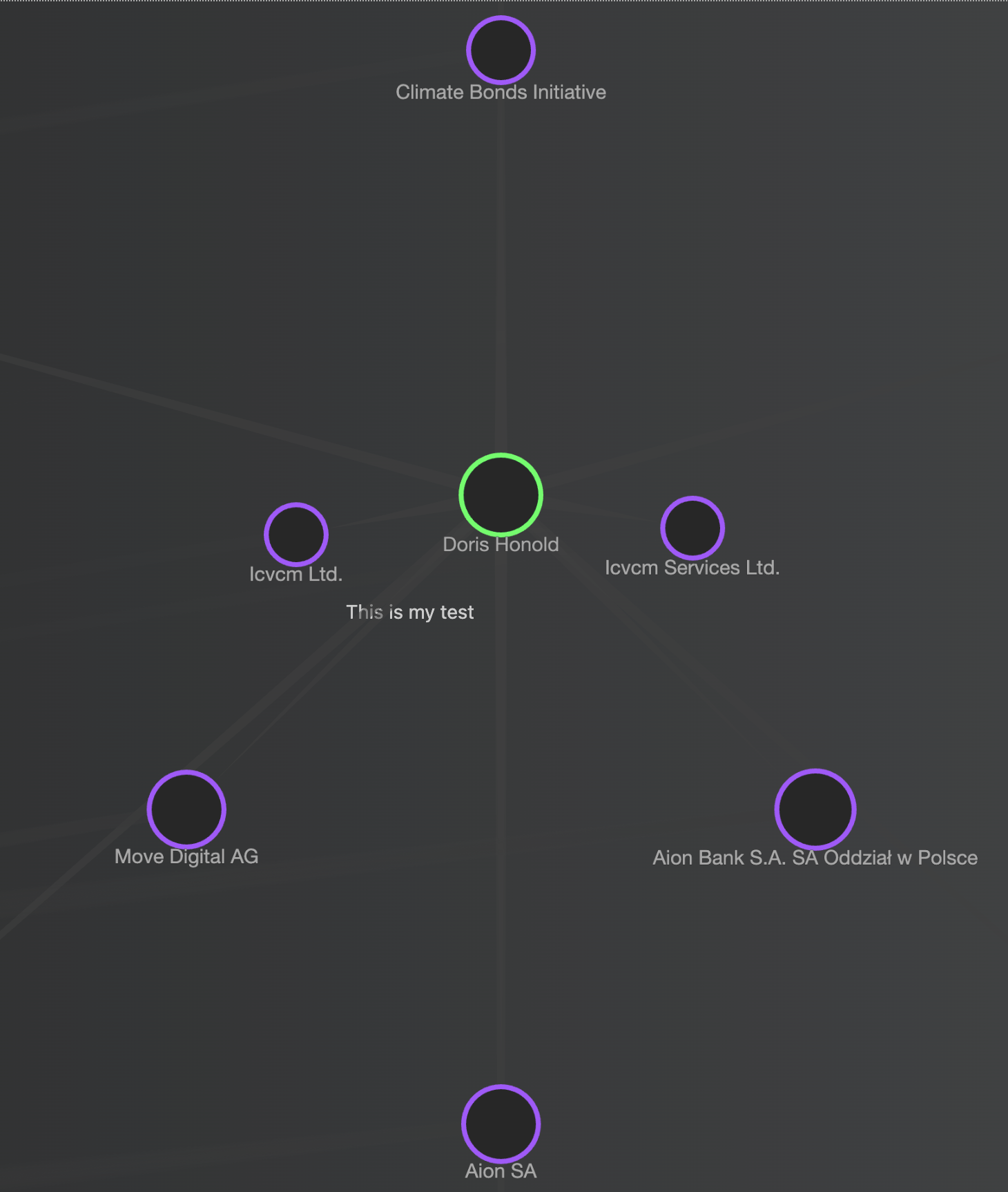
Further more, the Climate Bonds Initiative is directly linked to the Integrity Counsil for the Voluntary Carbon Market, by way of Doris Honnold, both a trustee of the Climate Bonds Initiative, as well as Director of the Integrity Counsil for the voluntary Carbon Markets.
Todd Phillips making a super strong point about the quality of CORSIA eligeable credits, some trading at a little over just $1. I noticed some back-peddling happening after that to claim that pricing isn’t always indicative of quality, but I really believe that indeed was what was implied if not claimed right before Mr. Phillips posed his question.
Speaking of CORSIA and the focus on aviation when it comes to the VCM. A large part of the aviation efforts are going to depend on bio jet fuels. There is someone directly linked to South Pole (in fact, the founder and CEO himself, Mr. Renat Albert Heuberger) who is quite invested into bio jet fuels, through the offshore (Barbados) company Biojet International Limited (this company to the best of my knowledge was merged into Air BP later, but the bio jet fuel supply chain is a whole complex operation on its own and would require quite a bit more explanation and additional data.
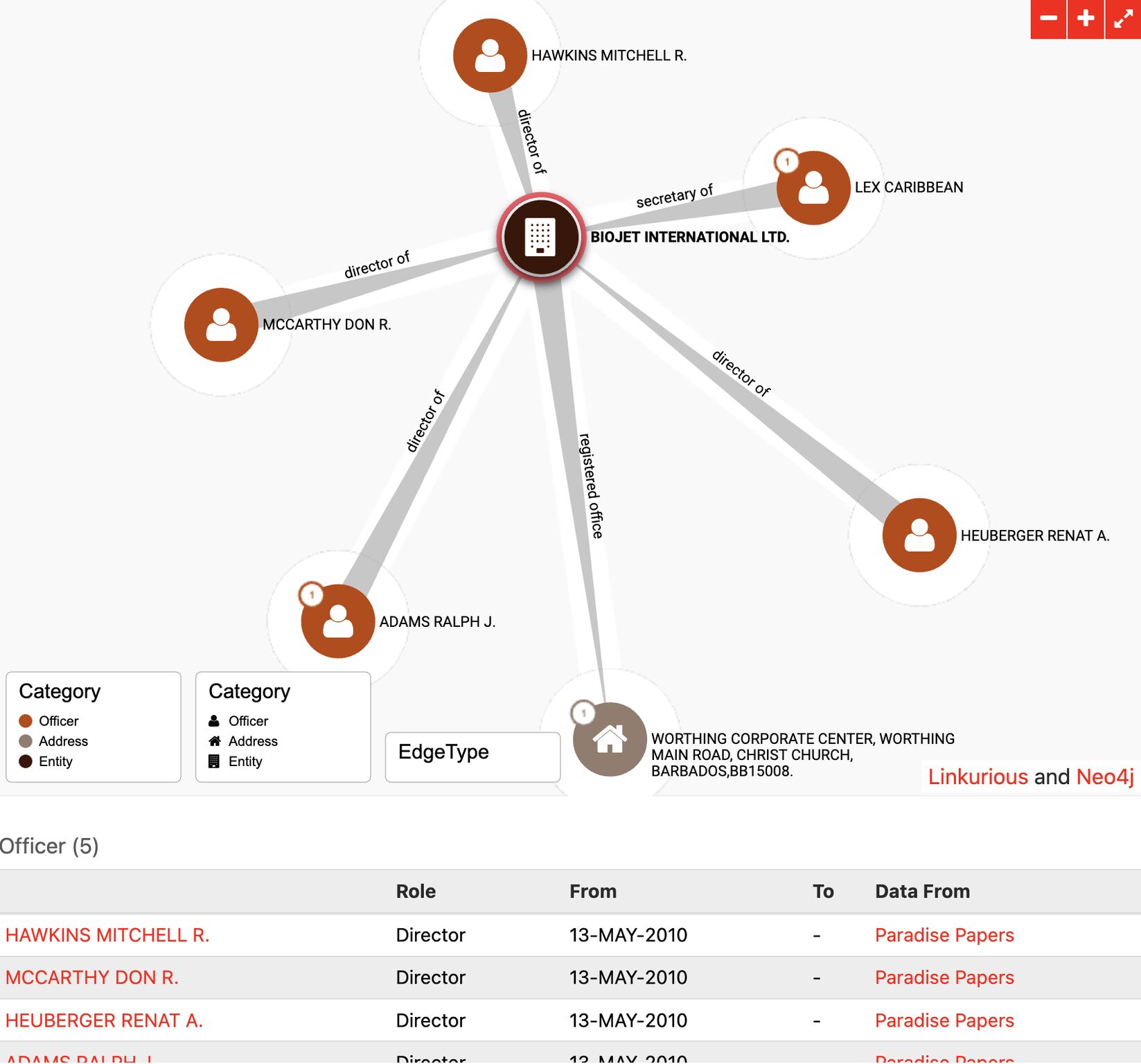
For now I will leave it at this, I think the pattern of the founders of South Pole being invested in companies that are positioned at the sidelines to directly benefit from South Pole’s consultancy efforts to “help” companies become more sustainable should emerge quite easily once properly investigated.
If South Pole pushes for bio jet fuels, you’ll find one of the founders invested in it. If it pushes electric bikes, same story (Urban Connect), if it pushes sustainable building materials, again (Thomas Camerata being director of multiple real estate development companies in the UK and France).
D. Wilson Ervin is making some good points. Note also that he says one airline marked their nature based credits eventually as “fraud”. Fraud is what is needed to be able to sue the credit-broker, as the contracts are severely locked-down in the possibilities broker and buyer have against each other. There are even contracts that do not consider fraud to be an offence that the other party can be held in violation of the contract for. (this requires the South Pole database to solidify, so pending your decision on accepting that data)
IAN MCGINLEY remarks on “allegations”:
- Credits staying in the market after mitigations have ended (can be proven by the Verra .zip file)
- Selling of credits that overextend the extend of carbon mitigation, which is effectively the same as point 1.
- Registries listing credits with inssufficient dillengence and oversight, I can do you one better, the registries are directly “in the know” and complicent to this.
- Manipulation of tokenized carbon credits. Well, a carbon credit is already a token, and they are for sure manipulated.
I pose that the document below proves that not only did Verra allow the creation of entirely fictitious financial instruments from already retired credits, it failed its duty as overseeing institution by using a tactic of “passing the buck” in making the behaviour they publicly congratulate themselves on being the regulatory and trusted authority the responsibility of the companies they are supposed to keep in check.
With this, they instantly turn “allegation” 1 into an actual proven fact, which in turn factualizes point 2, as a fictitious credit is by definition overextending its mitigation potential (there is none), all dilligence and oversight is out the door and in extension the entire body of trust should be called into question, or more accurately, the trust is entirely broken, and manipulation is the only way it could even play out as it did.
This is by far not the only instnace of problems within Verra’s governance, but to show you the rest I need the South Pole database (which includes comments used in internal backoffice systems, as well as comany-wide time logs with details that provide insight on meetings held between South Pole and Verra, also detailing very similar practices, openly discussed.)
A screenshot of one of the documents from the zipfile found on Verra’s accidentally public uploads directory. The directory has since been locked down (because I publicly called them out on this, and the zipfile remote. Please note that this is specifically a public directory that usually holds only public downloads and the images used for posts on Wordpress websites. The setting to lock down public browsing of the directory is a choice, and by default it leaves things open. This zipfile was found using the following Google query:
inurl:verra.org filetype:zip
Similar internal documents were found using the google query:
inurl:verra.org filetype:pdf
Also, a spreadsheet was uncovered detailing an internal audit of Verra’s accounting by an external firm, which notes that there are discrepencies that nobody can explain, which was found using query:
inurl:verra.org filetype:xlsx 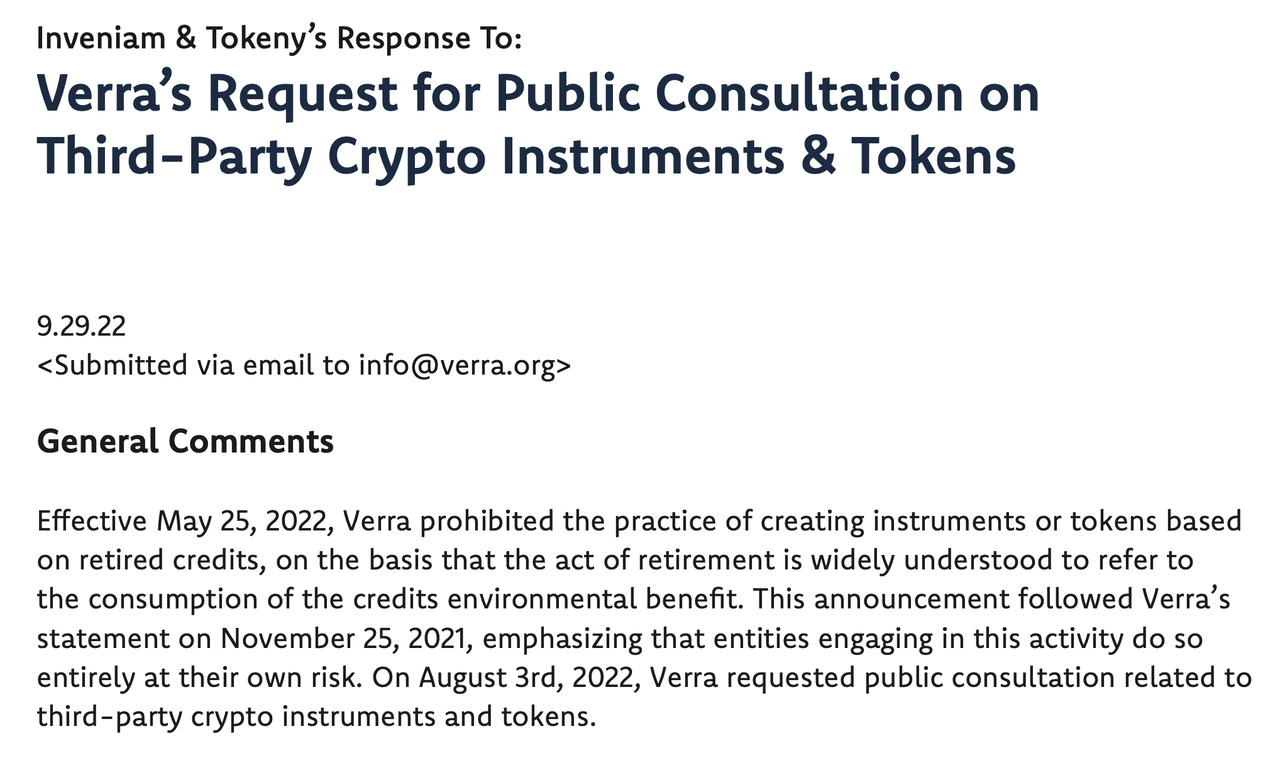
Notably, before Verra finally locked down directory browsing after many years, and months of me calling them out for the first time, I have downloaded every single file that had collected there for many years, yet to be further analyzed, once I upgrade some of the tools I have built. This effort is to generate a connected network graph of collaborators, and they nature of their collaboration, while also identifying public documents that nobody before noticed are being signed not by the directors of the project developers, or even proper employees with power of signature, but by a lovely woman called S. Gee (I believe her name is Sandra, however I need to find her team picture again, as she has since left her company), working for OAK Trust in Guernsey A.K.A. OAK Directors Ltd.
This all links to 20-22 Wenlock Road, London, UK, which is where a company sits called “Companies Made Simple” under the Moneypenny mother corporation, which is a company that for a fee will set you up (same day) with a limited company, including a complete phone number, secretary (shared between multiple companies) that will answer your phone and sign any documents that come in to your (offshore) “office”.
This was also how Carbon Green Investments was set up, which is the company that started and acted as the project proponent for the Kariba project. This links directly to the US via the sales to the Biocarbon Group, which provided their billing address in Delaware.
Another question I have is why stakeholders are not questioned when making statements like “there is less demand because of critisism, etc.” because I do not see any empirical proof of such reasons. Isn’t less demand just a feature of a market that operates normally? A market that doesn’t move is not interesting or functional. You need volatility to make money. A stable carbon market couldn’t even function to do what they all claim they want it to do, because there would be no volatility. Let’s not forget that via the CME this market can also accept “short” positions.
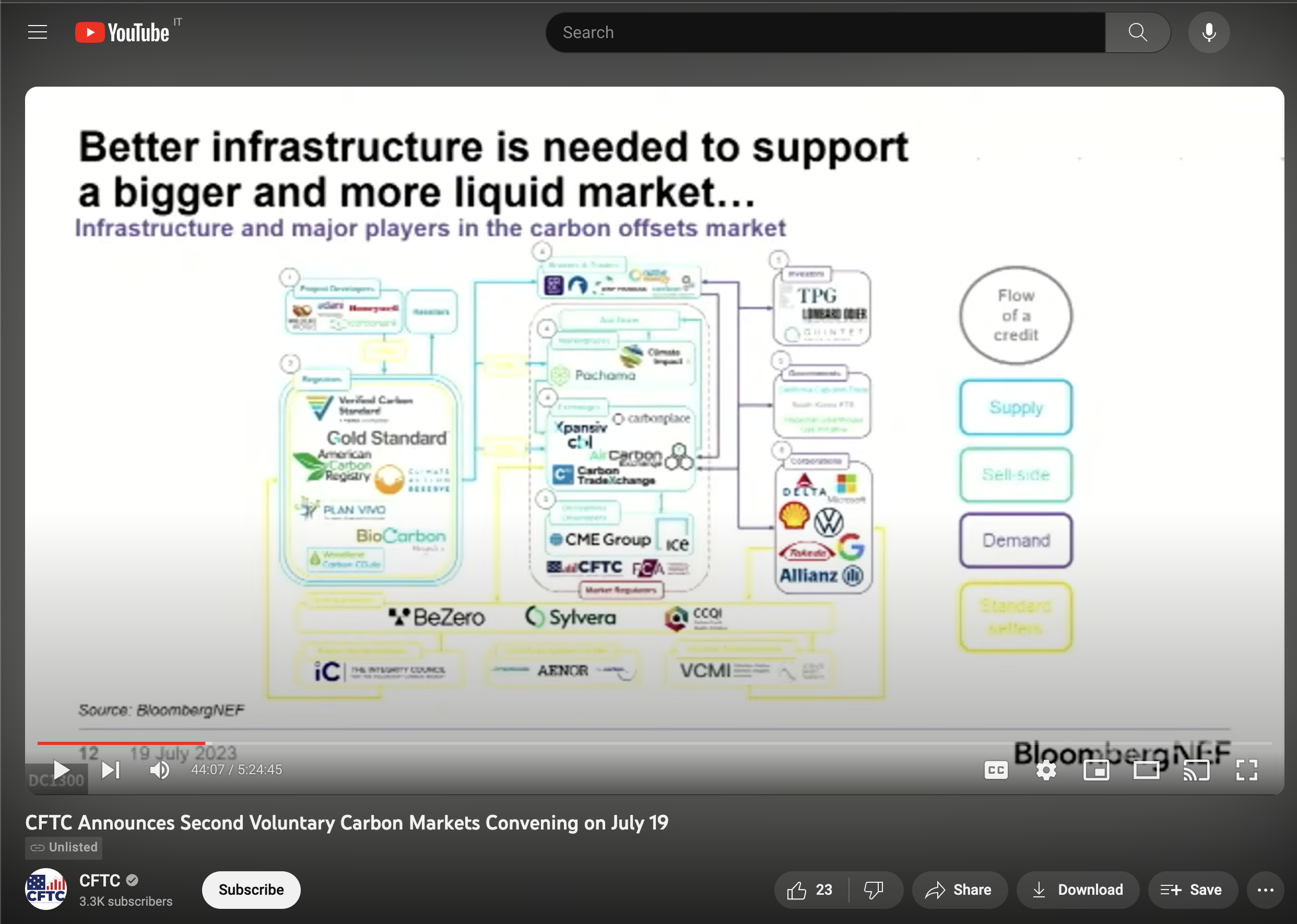
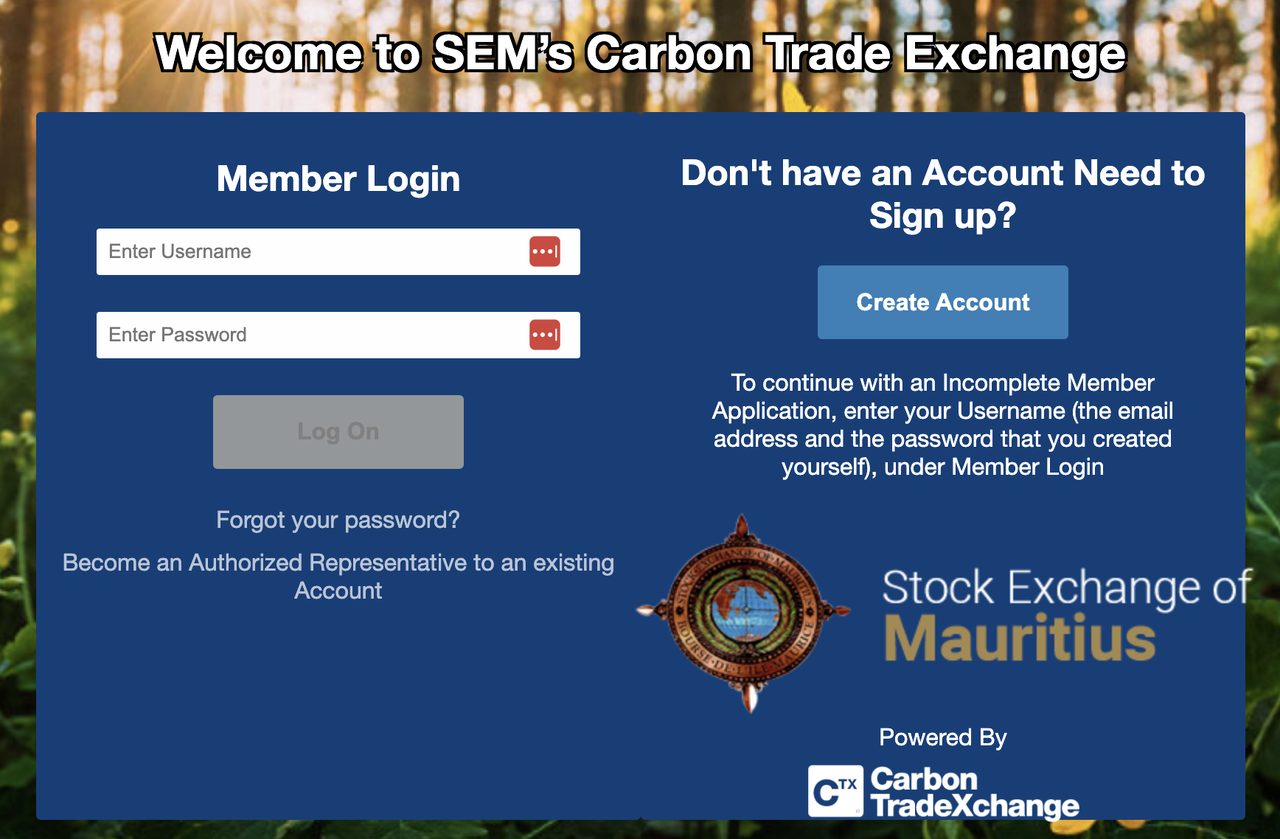
I especially like XPansive on this list, founded by the offshore loving Wayne Sharpe, which has a aviation-based exchange that has white-labeling built-in that can turn the entire exchange into the Mauritius Stock Exchange.
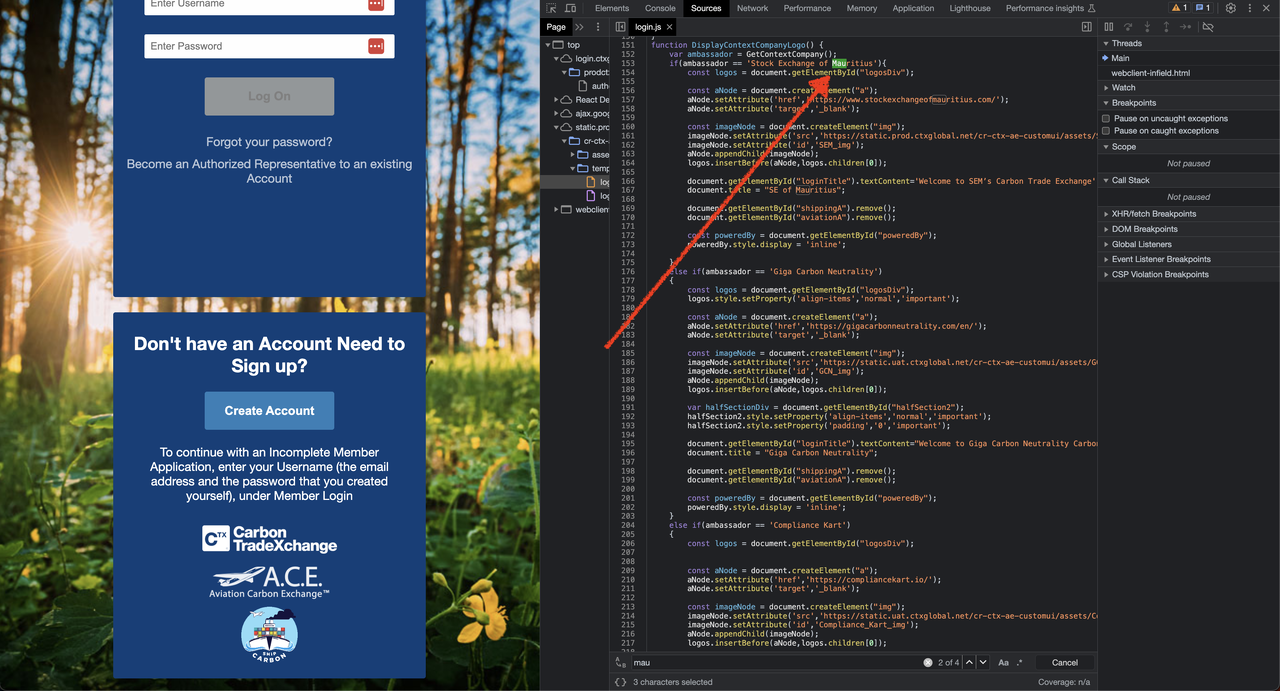
If we execute the code (which is publicly available for everyone on the Internet to do), we see that we have the beginnings of the transformation (white-labeling) to the Mauritius Stock exchange.
Here are some relevant links to posts I made on LinkedIn, which saves me some time writing this document.
Hidden features in Verra: https://www.linkedin.com/posts/theapemachine_verra-for-you-this-evening-i-have-this-question-activity-7065404872849858560-_EPM?utm_source=share&utm_medium=member_desktop
Kariba rebuttal: https://www.linkedin.com/posts/theapemachine_wrote-it-as-a-google-doc-activity-7065385788523372545-CkRu?utm_source=share&utm_medium=member_desktop
Greenpeace about carbon capture enhanced oil extraction: Daniel Owen V. on LinkedIn: The Great Carbon Capture Scam
Proof Kariba credits were used and sold since the very start of the project: Daniel Owen V. on LinkedIn: Let's keep it real simple. Remember that article written by Christian…
This note I made to myself, but needs access from the South Pole database, as this is where these remarks were found:
Remember the “pre-registration sales” and “cownboy credits to raise funds”.
Related:
Christian Dannecker admitting they would sell millions of credits they knew for a fact to be fake, “because they had a lot of letters and contracts” Daniel Owen V. on LinkedIn: ... 'Cause you know the markets were all down ... I wonder why that tends…
Showing at least one oil company’s stake in South Pole:
BP as investor in South Pole: Daniel Owen V. on LinkedIn: 2009, presentation at ETH Zurich... Guess they changed their mind about…
Warning, the following is (publicly) exposed data from the South Pole database:
The real Kariba data: https://www.linkedin.com/posts/theapemachine_facts-activity-7099805170171047937-qE2A?utm_source=share&utm_medium=member_desktop
Some things I intented to cover in our call:
- Blended Finance (why is this not mentioned?). Blended finance and mostly limited companies allow for private money to “disappear” within public money. I have read the “transparent” annual reports of a few of these organizations that use blended finance, and given their Ltd status there is no legal precedent to provide granularity that shows which parts of any funds were private and which part was public, and therefor also not provided.
- “Nesting” (Basically were projects overlap and thus creating a double-counting situation for that overlapped area).
- Why is this “early days”? This market has been around for decades.
- Always defining the problem, never a solution (this is what I see over and over again in any reports, methodologies, etc. Always saying “we need to” never “this is what we are going to do”).
- Drowning in transparency (producing thousands of documents every year, fragmenting into organizations, funds, trusts, funds of funds covered by trusts made up of stakeholders, all just pumping out reports. Who can read all of that?)
- Fragmentation (see previous point, but let’s ask why? Why not one, or a minimal few collectives, why so many?)
- The ICVCM meets 4 times a year and has to hear, consider, and find concensus across so many members, voices and stakeholders, and will then agree to see “if it worked” two years later... How does that work efficiently?
- Pivot, pivot, pivot, by the time you have found or implemented something, they will have new methodologies, new financial instruments, new initiatives, new self-regulation, new “standards”, etc.
Another question, they are all “non-profits” but don’t these people all draw a salary from these positions? This is especially interesting in cases such as Mark Kenber, who sits on almost every one of these initiatives. In that case, individuals make enough “profit” to use some of that for lobbying and/or donating. I am not claiming this at this point, but this is one of my main points of focus at this moment.
Same webcast, there is talk about “pricing” on the carbon markets, while this is relevant, it misses the point of sales directly to end-buyers. South Pole, when selling directly to customers such as (mentioning only the examples where I was present in actual sales calls as technical advisor) Formula 1, Phillip Morris, Louisa Via Roma, etc. sets their own price (depending on the pre-existing knowledge about carbon credits). There are significant markups possible (and used) here, and we have seen cases of credits bought at sub-ten cents being sold at well above 10, even 20 Euros. (Of course this needs the South Pole database to provide evidence.)
Mention of Annette Nazareth is also somewhat difficult for me, as I will not lay any direct claims at her feet, but she was early on in the sights of ENRON, while also being in a significant position (at the SEC) during the ENRON and Worlcom scandals.
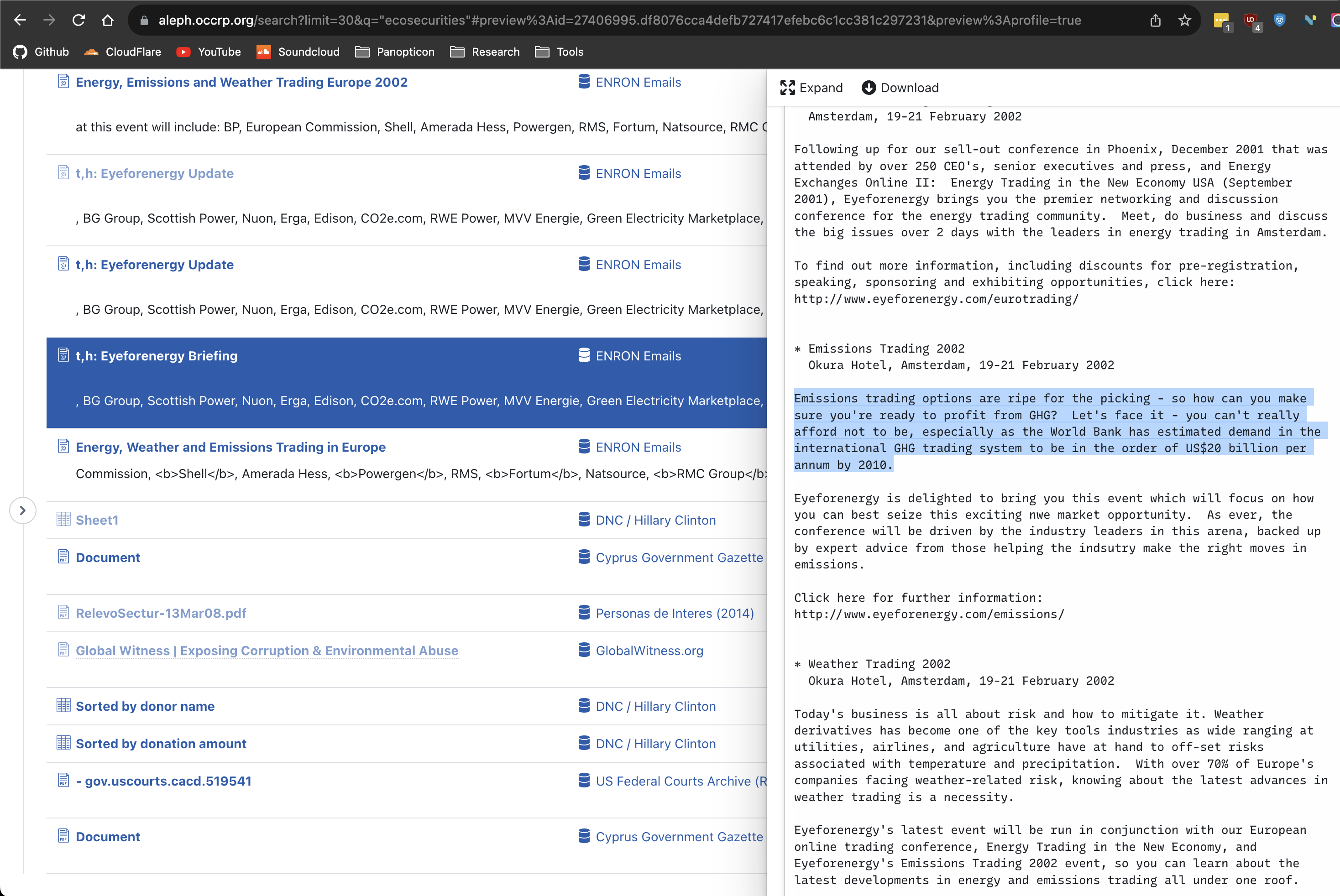
Her name (among other’s such as Christoph Grobbel) was also found in the infamous ENRON email leaks.
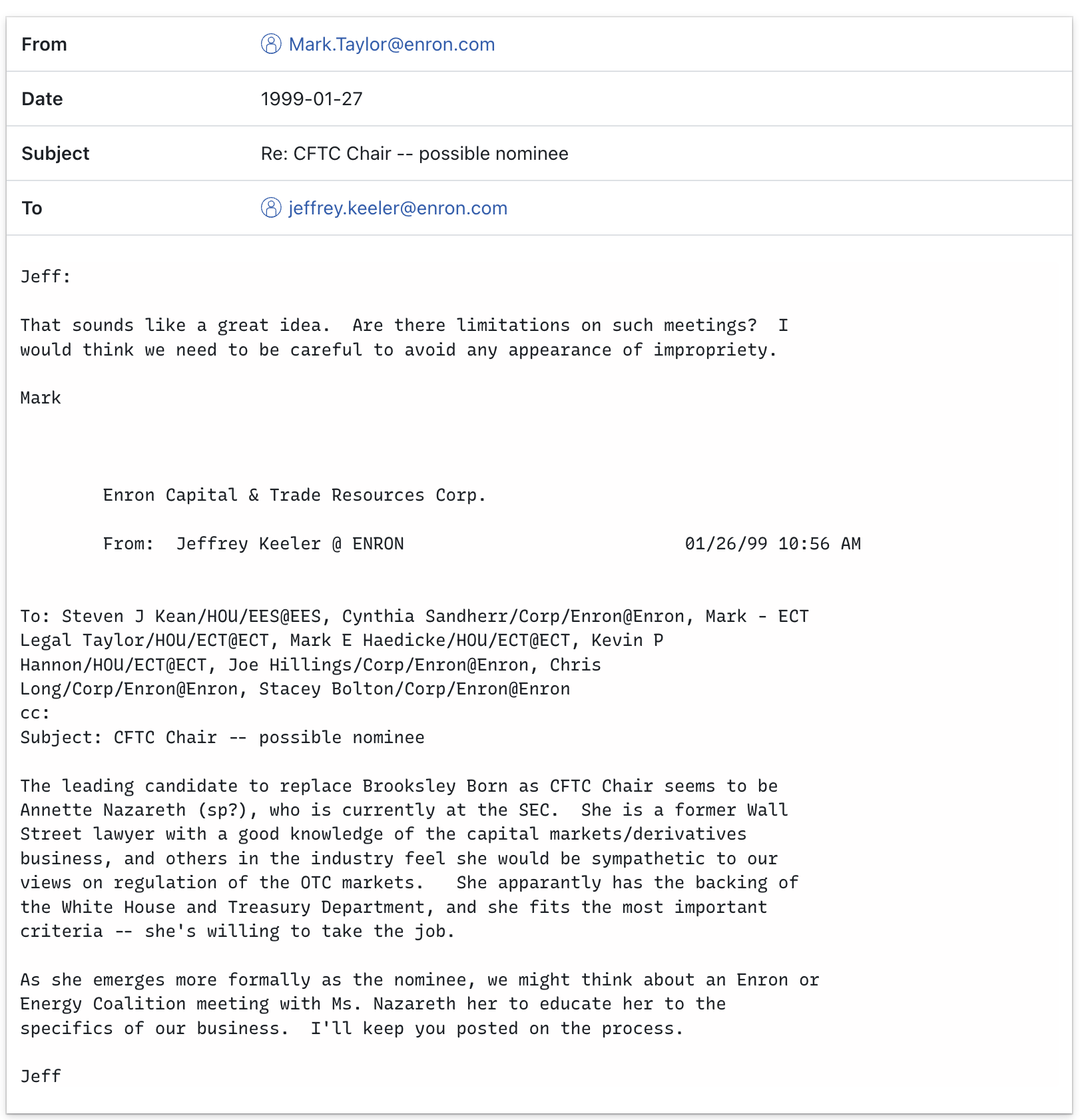
To provide a little indication how ENRON fits into the early days of energy markets, here is a good highlight.
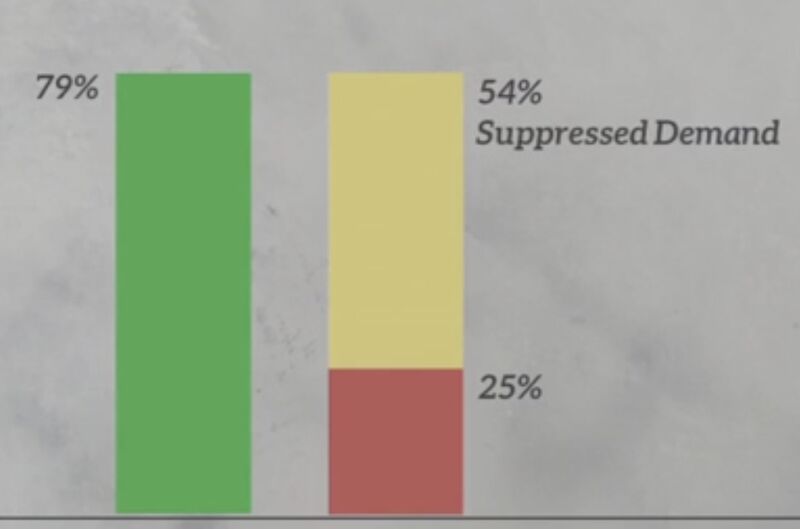
Have a look at this graph that demonstrates how “supressed demand” works (this tactic can also be found in the South Pole database), this particular one coming from the “Life Straw” project. The question being posed to the locals in one African country was: “Would you boil your water if you had the time and money” which adds the missing 54% they needed for the feasibilitty study. Here’s my original post about it, and this comes from an old documentary that can be found on Vimeo (THE CARBON CROOKS) that explains how we even got to carbon markets and trading, versus what everybody at the time (Kyoto) preferred, a simple carbon tax. theapemachine_heres-another-gem-from-the-playbook-of-the-activity-7073974789509365761-asau?utm_source=share&utm_medium=member_desktop
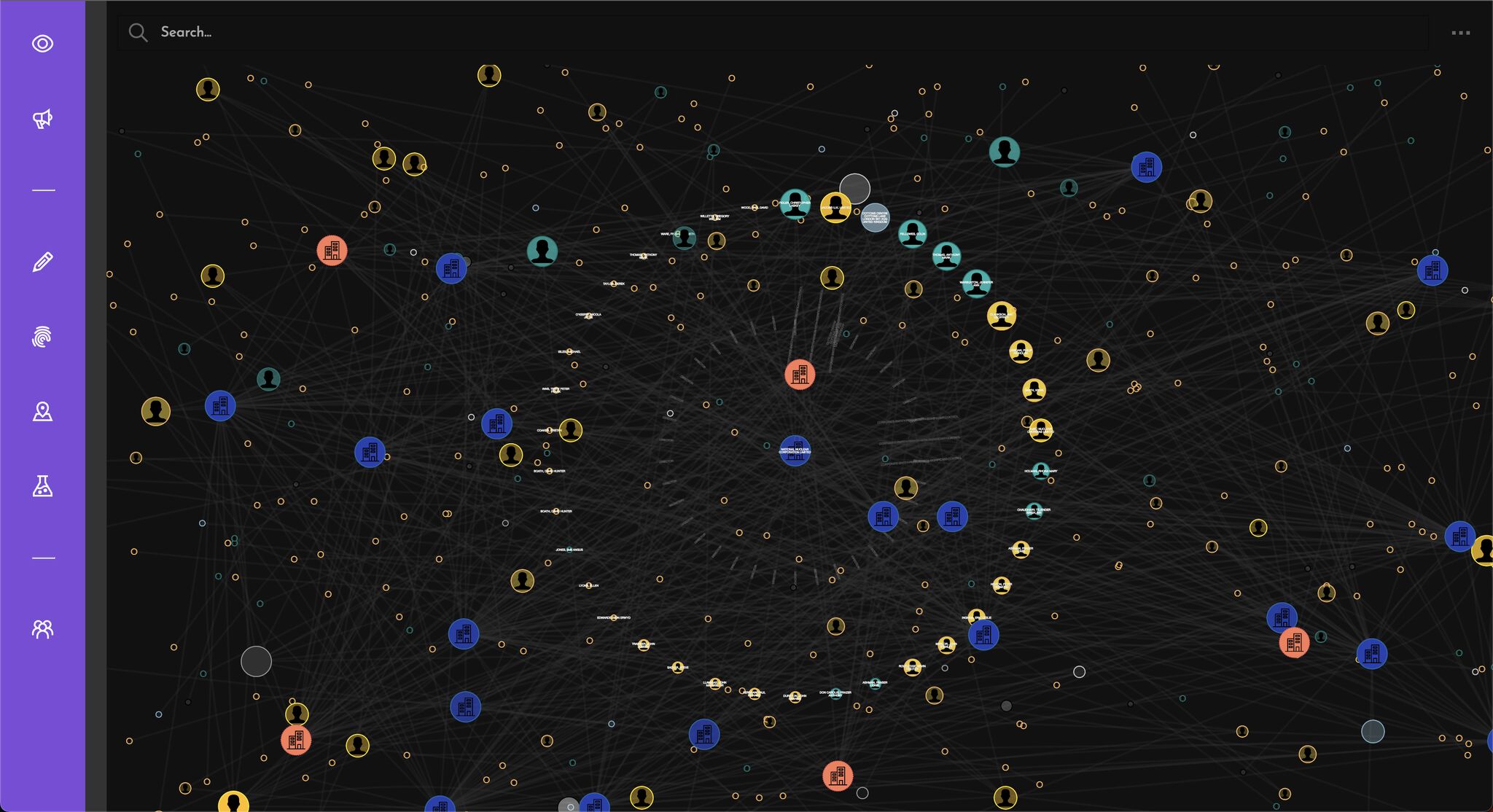
Below is a very early version of the tooling I have been developing to help me parse the massive amounts of unstructured public information, and gives a (small part) of the complexity you’ll have to deal with when it comes to finding how just the entities (companies, trusts, funds, and persons) are linked together. The tooling has since gotten better, but it is hard to spend time on it, since the media, and now the CFTC is taking a lot of my time to help understand a lot of the data. Besides that I also have my day job and family.
This is not a complaint, I am just hoping that there will eventually be some reinforcement, because I have some really useful tools in the pipeline that will increase clarity a lot, including everything being arranged chronologically and geospacially, and I want to finish those for at least my own efforts in this matter.
Anyway, the below graphic shows mostly energy companies such as Vattenfal, which includes directors/founders also being stakeholders in South Pole. The rest is banks like Credit Suisse and UBS, or auditors like KPMG. The bigger the circle, the more incoming and outgoing connections that entity has. Red ones are liquidated.
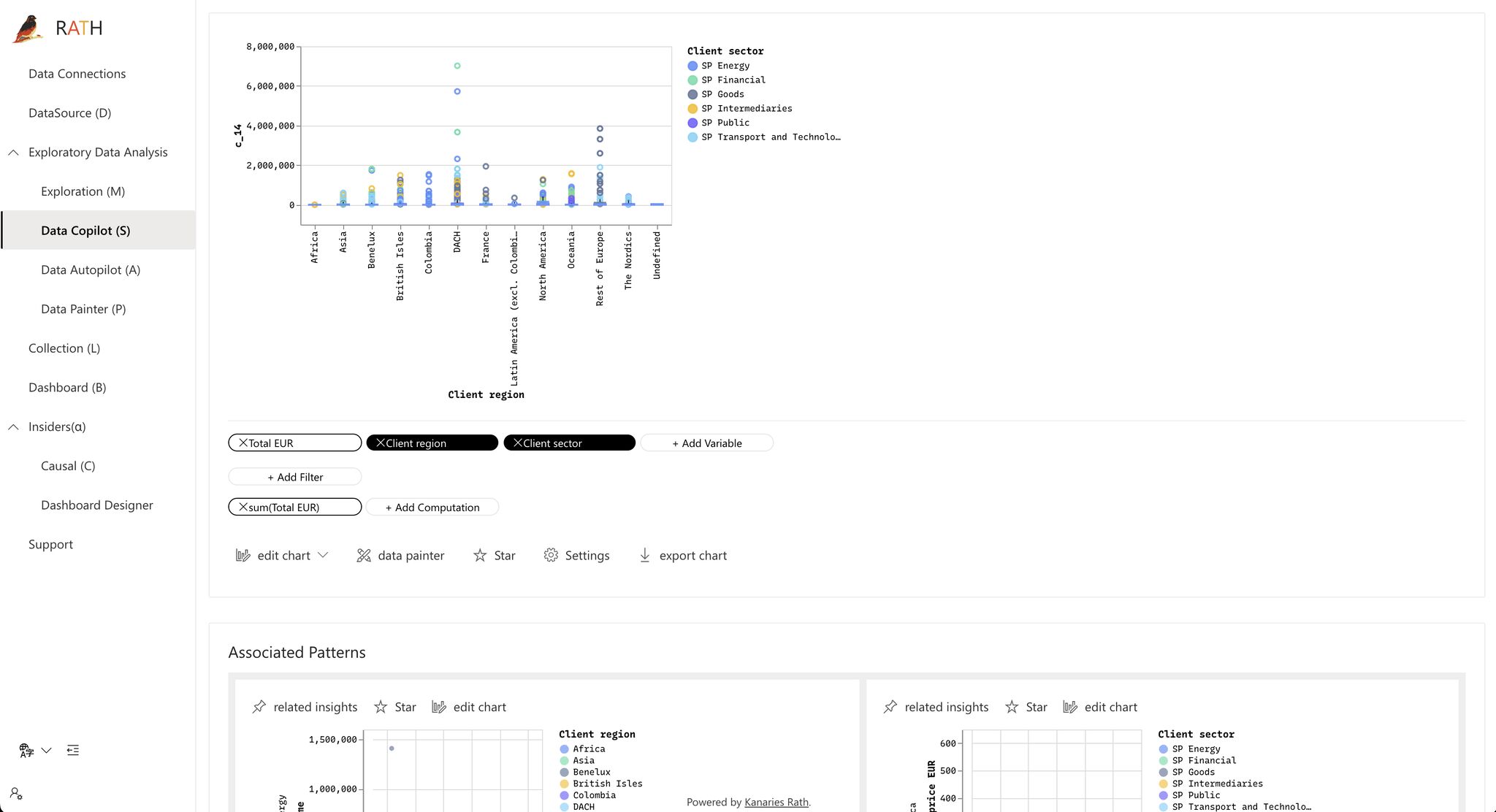
When we run some data-science on the money-flow of the Kariba project we see that we have a clear outlier, not surprisingly DACH (though when drilled into it is mostly Switzerland).
Question, why was Bella Rozenberg of ISDA there? Arent’t there high requirements for ISDA to get involved, and doesn’t that automatically mean that the market is larger than the few billion constantly mentioned?