"We Don't Know"
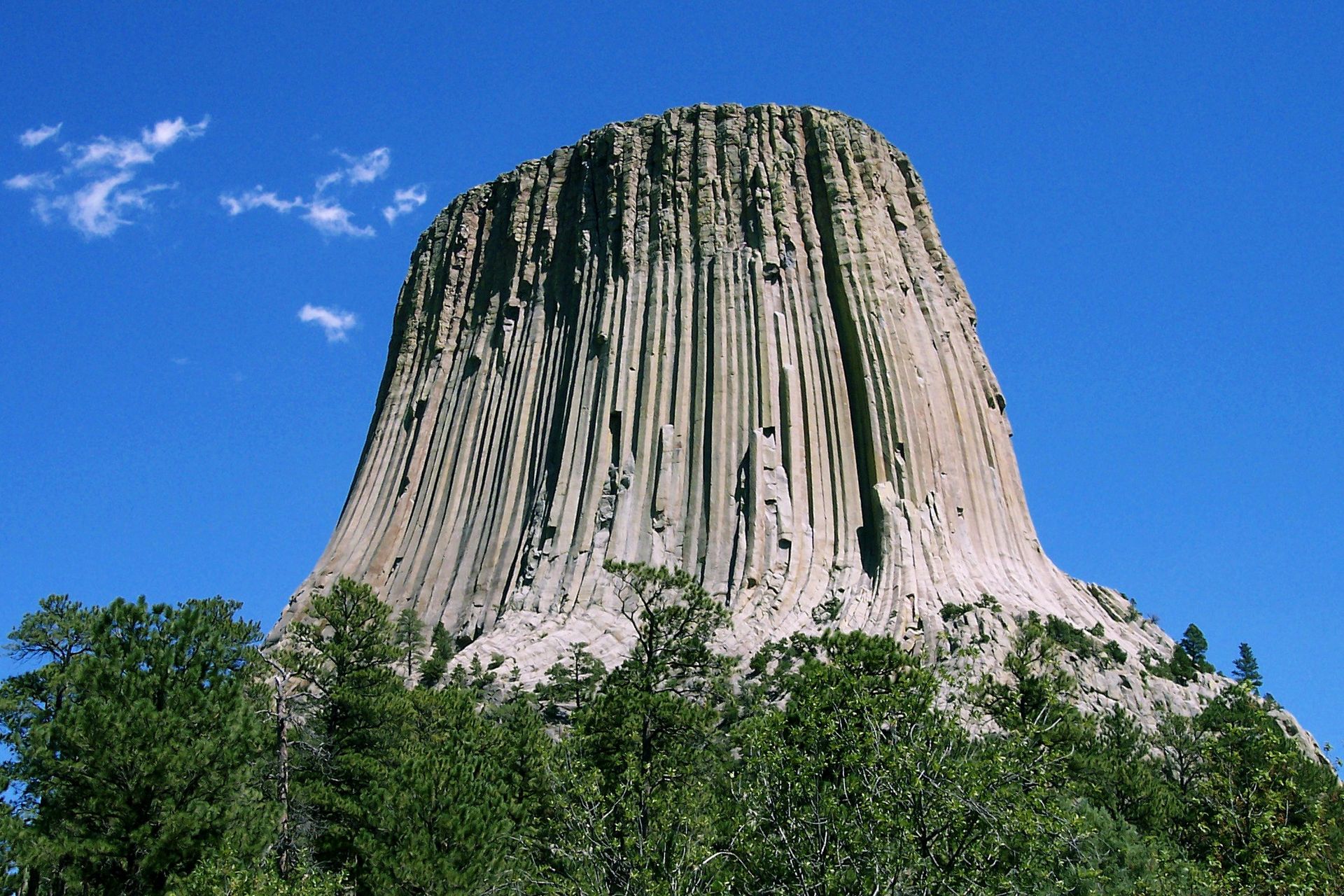
“We Don”t Know”
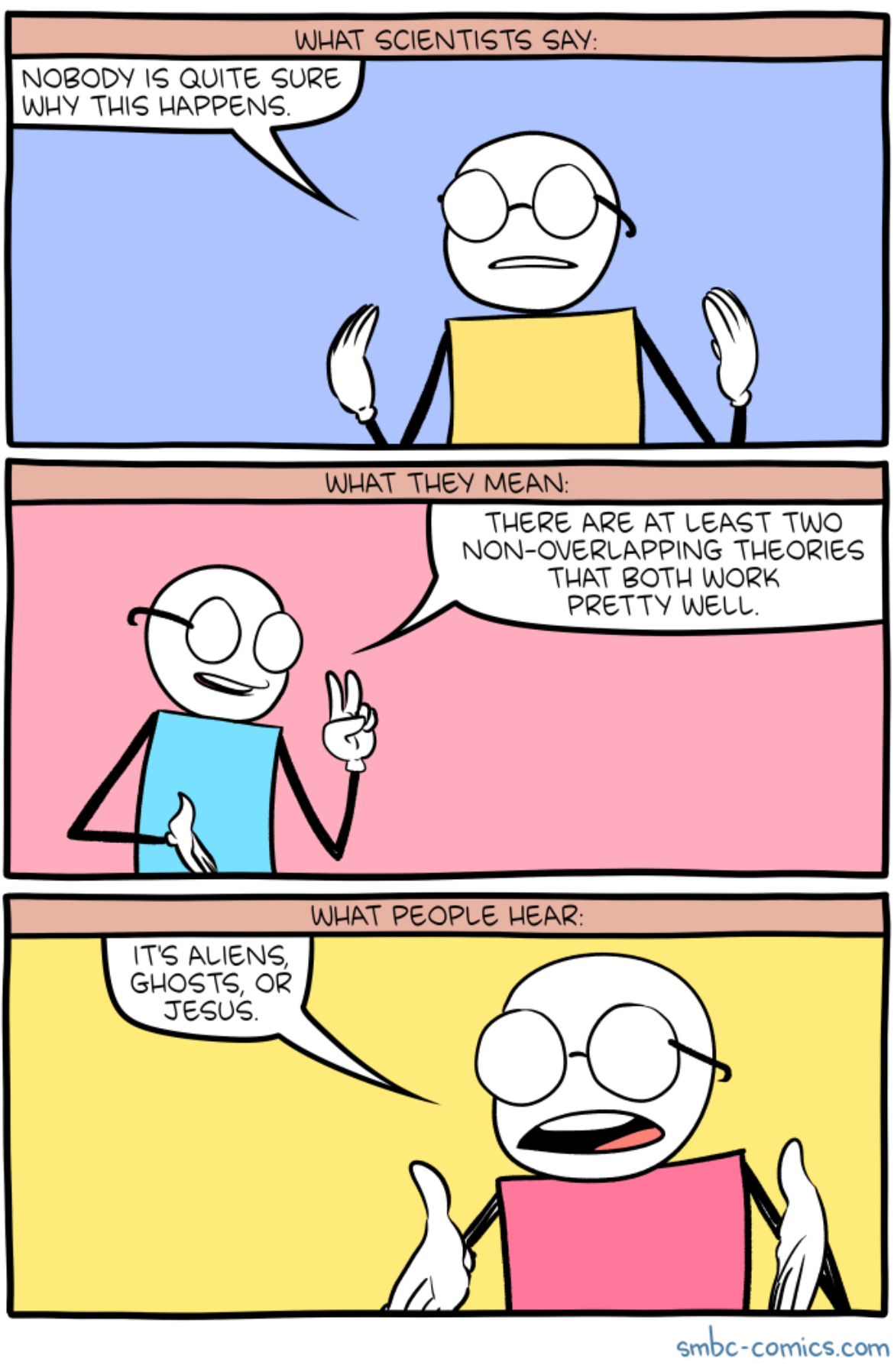
Science says "we don't know" all the time. When geologists say that "we don't know" how Devil's Tower (in Wyoming, pictured) formed, they are not saying they have no hypotheses about how it could have formed, they are saying they have several (say, three) very plausible ideas and there is just not enough data to say which hypothesis is true, although they may give their opinion on which is most likely. And they are not invoking magic or new unexplained natural processes, they are just saying what they know and what they don't know. They are saying, "if we had such and such sort of data it would support scenario A, but if such and such data then scenario B would be most likely, etc." This is a form of humility and intellectual honesty.
Hypothetical Hypothesis
When a believer says "we don't know" when they are pressed into a logical corner, they are invoking the God of the Gaps and invoking a wished-for, future, possible hypothesis (hypothetical hypothesis), not laying out any plausible explanations to weigh and consider. This is different from waiting for more data; this is faithfully hoping for unknown, un-posit-able plausibility. They have zero plausible hypotheses in tow but hold out hope that in the future, some deity or charismatic person will solve their dilemma. Not gonna happen.