Acepromazine
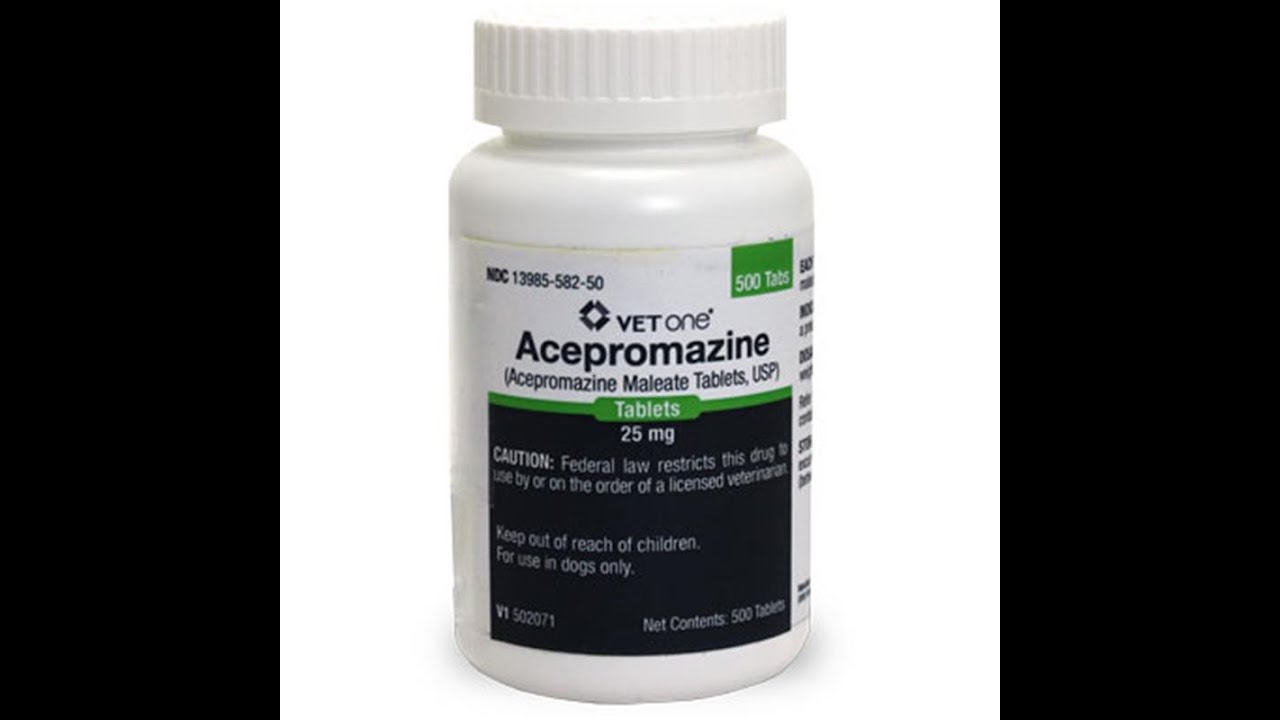
Acepromazine is a well-known pharmaceutical compound used primarily in veterinary medicine:
- Chemical Structure and Formula: Acepromazine has the molecular formula C19H22N2OS. It belongs to the class of phenothiazine derivatives.
- Physical Properties:
- It typically appears as a yellowish, crystalline powder.
- Acepromazine is soluble in water and can be formulated into various types of veterinary medications, including injectable solutions and tablets.
- Pharmacological Properties:
- Acepromazine is a tranquilizer and a potent neuroleptic agent.
- It acts as a dopamine antagonist, blocking dopamine receptors in the brain, which leads to its sedative and anti-anxiety effects.
- Also possesses antiemetic properties, reducing nausea and vomiting.
- Veterinary Uses:
- Widely used in veterinary medicine as a sedative and pre-anesthetic agent.
- Helps to calm and stabilize animals before surgery or during stressful situations.
- Used in the management of aggressive behavior in animals.
- Dosage and Administration:
- The dosage and administration depend on the type of animal, its size, and the specific condition being treated.
- It is typically administered by a veterinarian or under veterinary supervision.
- Side Effects and Precautions:
- Common side effects include hypotension (low blood pressure), decreased respiratory rate, and sedation.
- Can cause paradoxical excitement in some animals.
- Should be used with caution in animals with liver dysfunction, heart disease, or epilepsy.
- Regulatory Status:
- Acepromazine is a prescription medication and is regulated by veterinary drug authorities in various countries.
- Its use is restricted to veterinary applications and should be administered only by or under the direction of a veterinarian.
Acepromazine's role as a tranquilizer in veterinary medicine makes it an important tool for managing animal anxiety and aggression, particularly in clinical and surgical settings. However, its use must be carefully managed due to its potent pharmacological effects and potential side effects.