Adams Midge
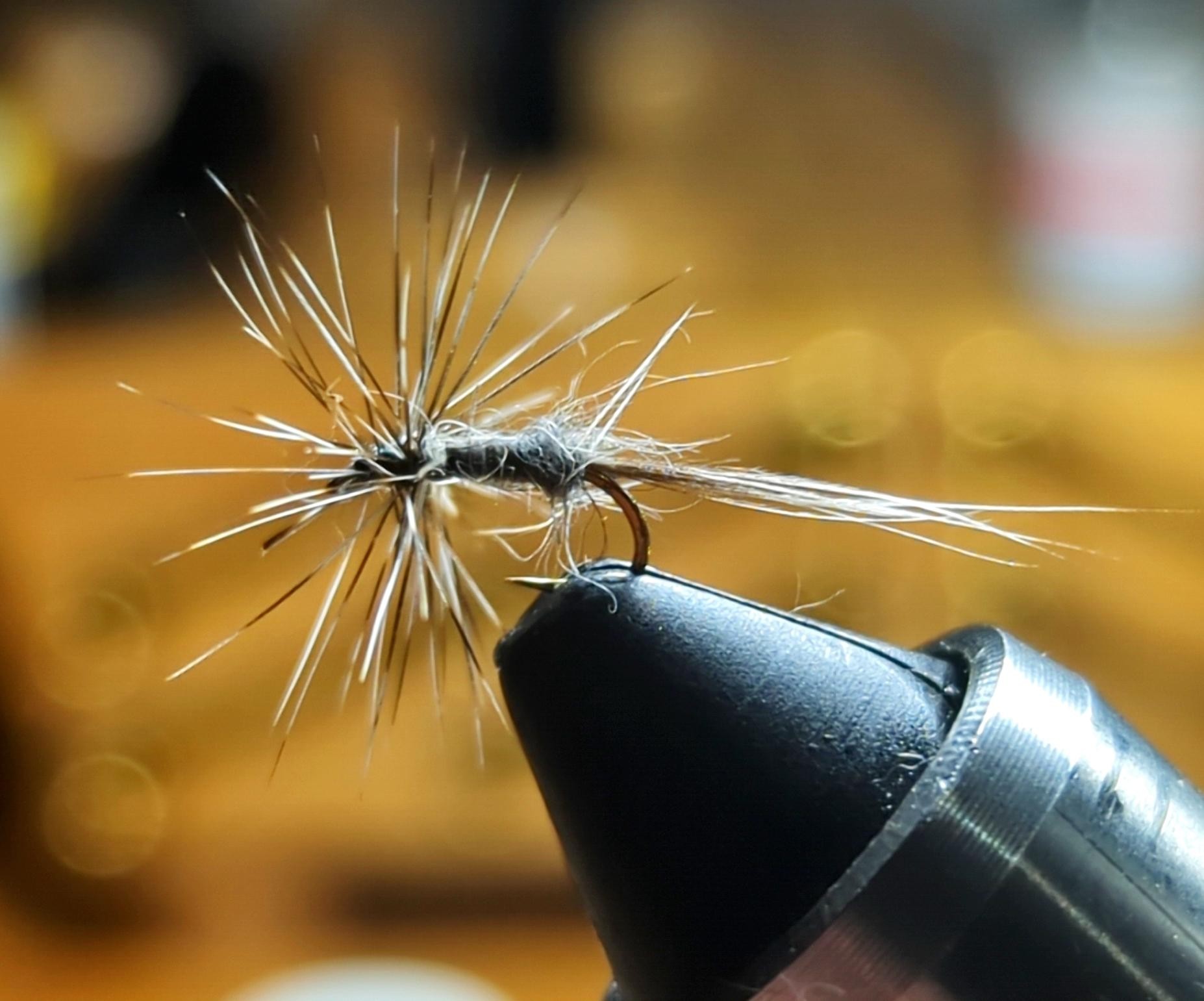
The Adams Midge fly pattern is a popular and effective fly pattern used by fly fishermen. This fly pattern is known for imitating midges, which are small aquatic insects that trout and other fish feed on. The Adams Midge fly pattern is named after the famous Adams dry fly pattern, but it is tied to imitate midges instead of mayflies.
The Adams Midge fly pattern typically consists of a small hook, thread, and various materials such as dubbing, hackle, and wings. The body of the fly is usually made from a combination of dubbing and thread, which gives it a lifelike appearance. The fly is then finished off with hackle fibers for legs and wings.
One of the key features of the Adams Midge fly pattern is its versatility. It can be tied in various sizes and colors to imitate different species of midges. This allows anglers to match the hatch and increase their chances of success on the water.
When fishing with the Adams Midge fly pattern, anglers often use light tippet and delicate presentations to mimic the natural behavior of midges. The fly is typically fished in slow-moving or still water, where midges are commonly found. It can be fished both on the surface as a dry fly or just below the surface as an emerger.
Overall, the Adams Midge fly pattern is a reliable and widely used fly in the world of fly fishing. Its ability to imitate midges effectively and its versatility make it a go-to choice for many anglers when targeting trout and other fish species.
For winter
#18- 4
#20 -
HX
Cold Water Creek | 2/20/23 | Not effective |
|---|---|---|
Otter Creek | 4/3/22 | very effect with b.w.o. hatch |
| " | 5/2/22 | Not effective in pool under the bridge |
North Bear | 5/3/22 | Not effective in slow, deep pool when fish were rising for what appeared to be a BWO hatch. |
Waterloo Creek | 5/2/22 | Effective in a slow current pool - 8" brown |