* Pumpkinseed
An Introduction to Pumpkinseed Fish
The Pumpkinseed fish, scientifically known as Lepomis gibbosus, is a colorful and popular species of freshwater fish native to North America. Known for their vibrant appearance and adaptability, these fish are found in numerous habitats across the United States and parts of Canada. They are a member of the sunfish family and are closely related to the Bluegill, another well-known species. This note will provide an overview of the Pumpkinseed fish, including their physical characteristics, habitat, diet, and significance in ecosystems and recreational fishing.
Physical Characteristics
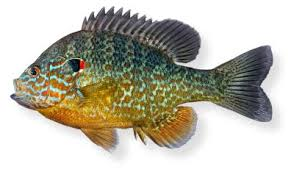
Pumpkinseed fish are renowned for their striking appearance. They have a laterally compressed body with a round shape, allowing them to maneuver easily through water. Their most distinctive feature is their coloring; they exhibit an array of colors including yellow, orange, blue, and green, with speckled patterns that resemble the seeds of a pumpkin, hence their name. They also have a characteristic opercular flap on their gill covers, which is marked with a black spot.
- Size: Pumpkinseed fish are relatively small, typically reaching about 4 to 6 inches in length, although some can grow up to 10 inches.
- Lifespan: In the wild, they have a lifespan of about 6 to 8 years.
Habitat
Pumpkinseed fish are highly adaptable and can thrive in a variety of freshwater environments. They prefer calm, warm waters with abundant vegetation, which provides both food and cover from predators. Common habitats include:
- Lakes
- Ponds
- Slow-moving streams
- Rivers
These fish are often found in shallow waters near the shore, where they can easily access food and nesting sites. Their adaptability has also enabled them to spread beyond their native range, and they are now found in parts of Europe where they are considered an invasive species.
Diet and Feeding Behavior
Pumpkinseed fish are omnivorous, with a diet that includes a wide range of aquatic organisms. This varied diet contributes to their adaptability and success in different environments. Their diet typically consists of:
- Insects and larvae
- Small crustaceans
- Snails
- Aquatic plants
- Small fish and fish eggs
They employ a foraging strategy that involves picking food off the substrate or vegetation, using their small mouths to capture prey. Their diet can vary based on the availability of food sources in their habitat.
Reproduction and Life Cycle
Pumpkinseed fish engage in a fascinating reproductive process, typically spawning during the warmer months of late spring and early summer. The reproductive cycle involves several stages:
- Nesting: Males create nests by clearing away debris and vegetation on the substrate, often in shallow waters.
- Courtship: Males attract females to their nests by showcasing their vibrant colors and performing courtship behaviors.
- Spawning: Females lay eggs in the nest, which the male fertilizes. A single female can lay several thousand eggs.
- Guarding: Males guard the eggs aggressively, fanning them with their fins to ensure sufficient oxygen supply and to protect them from predators.
After hatching, the fry remain in the nest for a short period before venturing out to feed on plankton and other small organisms.
Ecological and Recreational Importance
Pumpkinseed fish play a significant role in their ecosystems as both predators and prey. They help control insect populations and serve as a food source for larger fish, birds, and other wildlife. Additionally, they are a popular target for anglers due to their abundance and willingness to bite, providing recreational value.
- Fishing: Pumpkinseed fish are often caught using light tackle and are suitable for novice anglers, especially children. They are typically caught using live bait such as worms or small artificial lures.
- Conservation: While they are not endangered, maintaining healthy populations of Pumpkinseed fish is important for biodiversity and the health of aquatic ecosystems.
In conclusion, the Pumpkinseed fish is a remarkable species with unique characteristics and adaptability that make it a key component of freshwater ecosystems. Its vibrant colors and engaging behaviors make it a favorite among nature enthusiasts and anglers alike. Understanding and appreciating these fish contribute to efforts in conserving aquatic biodiversity and promoting sustainable recreational fishing practices.