* Crappie
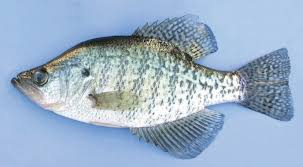
Understanding Crappie Fish
Crappie fish are a popular freshwater species highly valued by anglers for their taste and the challenge they present during fishing. Belonging to the sunfish family, Centrarchidae, crappies are often found in North American waters, thriving in lakes, rivers, and ponds. Their unique characteristics and behavior make them a fascinating subject for both fishing enthusiasts and aquatic biologists.
Types of Crappie
There are two main species of crappie:
- White Crappie (Pomoxis annularis): These fish are characterized by a lighter body color with dark vertical bands. They tend to inhabit murkier waters and can adapt to various aquatic environments, including reservoirs and rivers.
- Black Crappie (Pomoxis nigromaculatus): Known for their darker, spotted appearance, black crappies prefer clearer, deeper waters with plenty of submerged structures like logs or vegetation. They are slightly more sensitive to environmental changes compared to their white counterparts.
Physical Characteristics
Crappie fish are recognized for their distinctive flattened body shape and large mouth. Typically, they range from 4 to 12 inches in length, but some can grow larger, especially in well-managed fisheries. Their dorsal fins are spiny, which is a common trait among members of the sunfish family.
Habitat and Distribution
Crappies are predominantly found in freshwater bodies across North America, from Canada to Mexico. They thrive in a variety of habitats, including:
- Lakes and reservoirs, where they often congregate around submerged structures.
- Slow-moving rivers and streams, particularly in areas with abundant aquatic vegetation.
- Ponds and even some brackish environments where they can find cover and food.
Their adaptability to different environments makes them a resilient species, although they are more commonly found in warmer waters.
Diet and Feeding Behavior
Crappie fish are carnivorous, feeding primarily on smaller fish, insects, larvae, and crustaceans. They are known for their opportunistic feeding habits, which often change with the seasons. During the spring and fall, when water temperatures are moderate, crappies are most active and feed heavily to prepare for spawning or to recover from the breeding season. In the summer, they may feed less frequently due to higher water temperatures, while in winter, they often feed sporadically.
Reproduction and Lifecycle
Crappie spawning occurs in the spring when water temperatures reach approximately 60 to 68 degrees Fahrenheit. Males build nests in shallow waters by fanning out depressions in the substrate with their tails. After spawning, the male guards the eggs until they hatch, which typically takes about 3 to 5 days. Once hatched, the fry feed on plankton until they are large enough to consume larger prey.
Crappies are prolific breeders, producing thousands of eggs each season. This high reproductive rate helps sustain their populations despite their popularity with anglers.
Fishing for Crappie
Crappie fishing, often referred to as "crappie angling," is a popular pastime due to the fish's abundance and the challenge of catching them. Here are some tips for successful crappie fishing:
- Timing: Early morning and evening are the best times to fish, as crappies are more active during these periods.
- Bait: Live bait such as minnows or artificial lures that mimic small fish and insects are effective.
- Location: Focus on areas with submerged structures, like fallen trees or brush piles, where crappies are likely to congregate.
- Techniques: Use light tackle and a sensitive rod to detect subtle bites. Vertical jigging and casting are popular techniques for crappie fishing.
Conservation and Management
Due to their popularity, crappie populations can be impacted by overfishing. Therefore, many regions have regulations in place to manage their populations, including size and bag limits. Conservation efforts are also focused on maintaining healthy aquatic habitats to support sustainable crappie populations.
In conclusion, crappie fish are a vital part of the freshwater ecosystem and a treasured resource for anglers. Understanding their behavior, habitat, and feeding patterns can enhance the fishing experience while ensuring the conservation of this important species. Whether you are a seasoned angler or a beginner, crappie fishing offers an engaging and rewarding experience.