Cahill
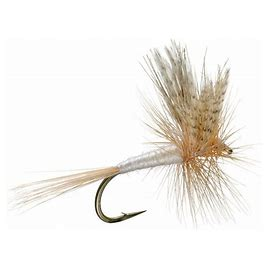
In the 1880's a New York railroad worker called Daniel Cahill developed a fly that became famous all over America, the Light Cahill. It is a great general imitation of summer mayfly duns. It was originally designed to imitate a family of mayflies with the name of Stenonema.
The Cahill fly pattern is a popular and effective fishing fly that imitates a variety of mayflies. This versatile pattern can be used in both stillwater and moving water environments, making it a go-to choice for many anglers.
The Cahill fly pattern typically features a body made of yellow or cream-colored dubbing material, which represents the mayfly's abdomen. The fly also incorporates a wing made of light-colored hackle feathers, often paired with a tail made of similar material. These components work together to mimic the appearance and movement of a natural mayfly.
Anglers often choose to tie the Cahill fly pattern in different sizes to match the size of the mayflies present in their fishing area. This adaptability allows anglers to effectively target a wide range of fish species, including trout, bass, and panfish.
When fishing with the Cahill fly pattern, anglers typically use a floating line and present the fly on the water's surface. The fly is usually cast upstream of the target area and allowed to drift naturally with the current. The subtle movements and realistic appearance of the Cahill fly pattern often entice fish to strike, making it a reliable and successful choice for fly fishing enthusiasts.
In conclusion, the Cahill fly pattern is a versatile and effective fly that imitates mayflies and can be used in various fishing environments. Its realistic appearance and subtle movements make it an attractive option for targeting a wide range of fish species. Whether fishing in stillwater or moving water, anglers can rely on the Cahill fly pattern to enhance their chances of a successful catch.
| Coon Creek | 5/25/21 | not effective |
|---|---|---|
| Cold Water Creek | 2/20/2023 | Not effective |