SSL Analysis
In my previous articles, on Information gathering topics we started with DNA Analysis and covering all that today we are going to end this topic with SSL Analysis.
SSL stands for Secure Sockets Layer
It is protocol used for establishing authenticated and encrypted links between computers in a network. Although the SSL protocol was deprecated with the release of TLS in 1999, it is still common to refer to these related technologies as “SSL” or “SSL/TLS”.
What is an SSL Certificate?
Often while doing OSINT on a website (DNS), you come across something called as certificates, You may see something named as SSL/TLS certficate in there. An SSL certificate (also known as a TLS or SSL/TLS certificate) is a digital document that binds the identity of a website to a cryptographic key pair consisting of a public key and a private key.
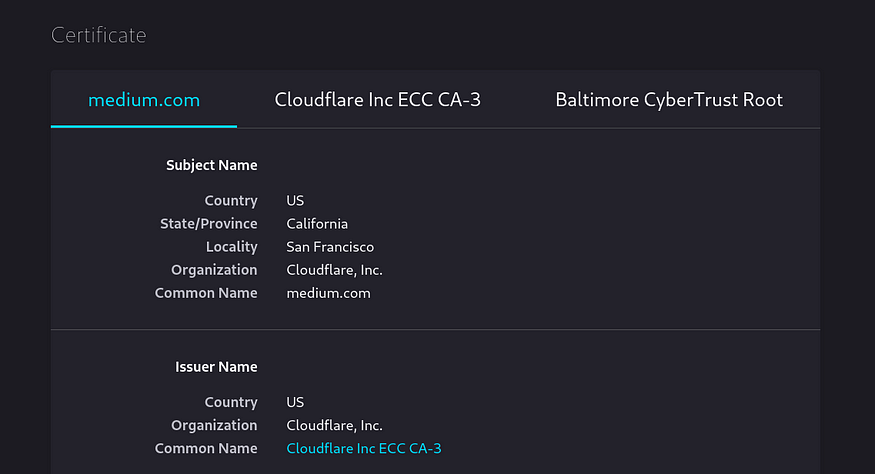
An SSL certificate also includes identifying information about a website, including its domain name and, optionally, identifying information about the site’s owner. If the web server’s SSL certificate is signed by a publicly trusted certificate authority (CA), digitally signed content from the server will be trusted by end users’ web browsers and operating systems as authentic.
What on earth is TLS then?
TLS (Transport Layer Security), is the successor to the SSL (Secure Sockets Layer) protocol for authentication and encryption. It was released in 1999.
The protocol is widely used in applications such as email, instant messaging, and voice over IP, but its use in securing HTTPS remains the most publicly visible.
In our Kali Linux machine, there are 4 tools given for analysis of such SSL certificates. Since, SSL was replaced by TLS due to security concerns, these tools help us in identifying those SSL certificates and helps us in info gathering about them.