Body Systems
1. Skeletal system
This system consists of bones in the body. These bones are made of bone cells and cartilage cells, which are hardened.
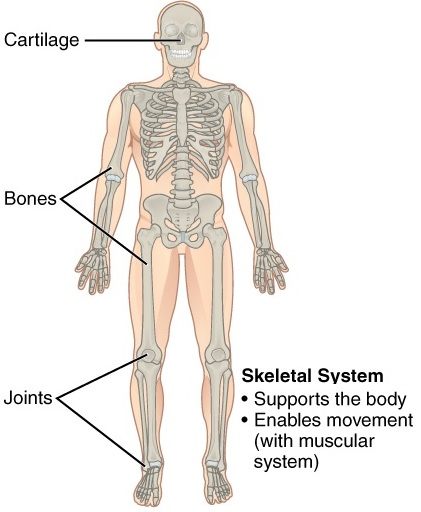 Image by: wiki commons
They provide the body a proper shape, frame, and support to other organs. In places, the bony compartment, like the skull and thorax, also protects the essential organs like the brain, heart, lungs.
This system is also flexible and movable at places called joints. These joints help in the body movements in coordination with skeletal muscles.
2. Muscular system
This system is made up of muscles that are responsible for movements. There are three types as skeletal, cardiac, and smooth muscles.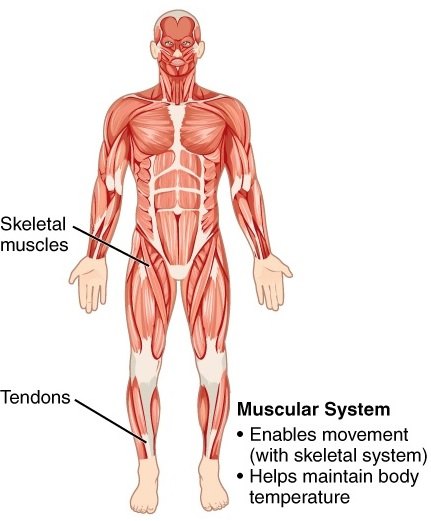
Skeletal muscles help in moving the body from one place to another. Functions like walking, running, moving, lifting, bending are possible due to skeletal muscles.
On the other hand, the cardiac muscles in the heart help in blood pumping. It forces the blood to flow through the arteries such that it reaches the deep and remote areas of the body.
While the smooth muscles are present in other organs like the intestine, uterus, urinary bladder, etc. These muscles bring about movement within the body to aid physiology.
3. Respiratory system
The respiratory system helps to trap the atmospheric oxygen from the air and supply it to the body.
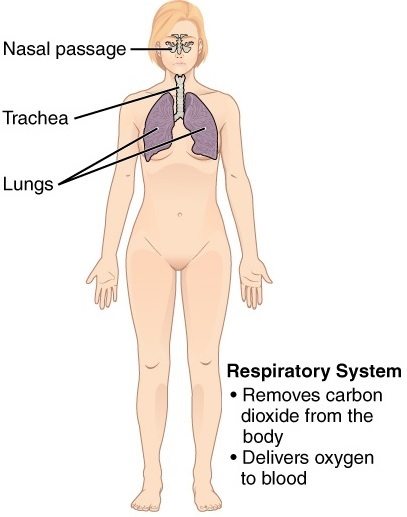
The respiratory system comprises the respiratory tract and diaphragm. The tract includes the nose, larynx, bronchi, and lungs.
The oxygen is absorbed into the blood from the lung alveoli and carried away. In the body, it helps to generate energy through the oxidation of glucosein the mitochondria.
Besides, the respiratory system helps in making sounds, excretion (alcohol), and also metabolism.
4. Cardiovascular system
The cardiovascular system is one that circulates the blood in the body.
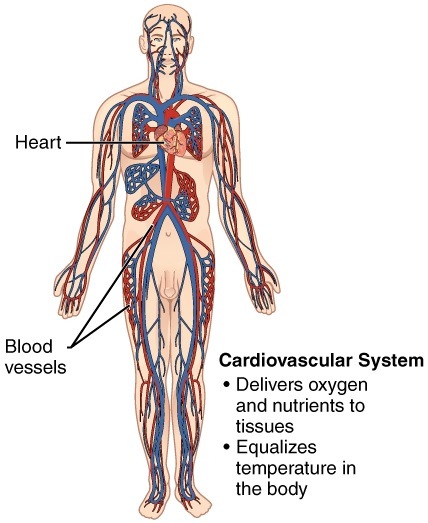
It comprises blood, blood vessels (arteries, veins & capillaries), and a heart.
The main functions of this system are to
- maintain a uniform temperature,
- Supply oxygen and nutrition to cells and tissues
- To collect waste matter
- To carry hormones for action on target organs.
- To facilitate body defense.
5. Digestive system
This system is meant to break down the food and absorb nutrients from it into the blood.
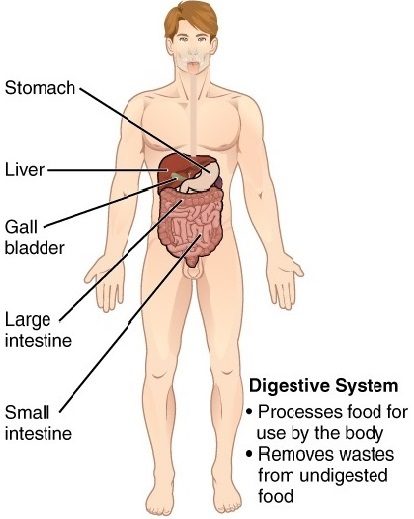 It consists of the stomach, esophagus, intestine, mouth, teeth, throat, rectum, and anus. It is the only route through which food can gain entry into the body.
The food is breakdown into smaller carbohydrateslike disaccharides, amino acids, and fatty acids for easy absorption into the body.
6. Nervous system
This is a master system that controls all other organ systems of the body.
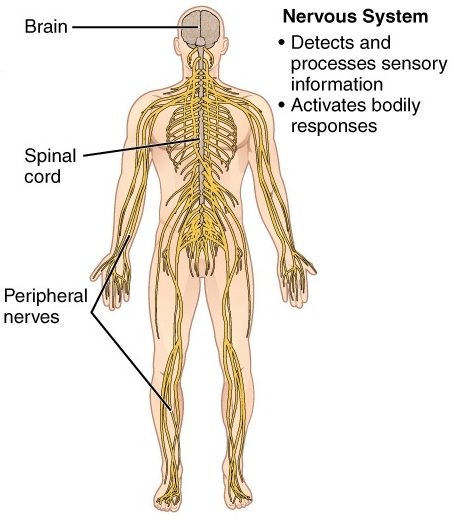 It regulates the whole-body physiology.
It comprises the brain, spinal cord, sympathetic nervous system, and also the parasympathetic nervous system.
It stimulates the release of hormones when needed. It regulates the body movements through muscles, controls respiration, heartbeat, etc.
7. Endocrine system
This system is complementary to the nervous system.
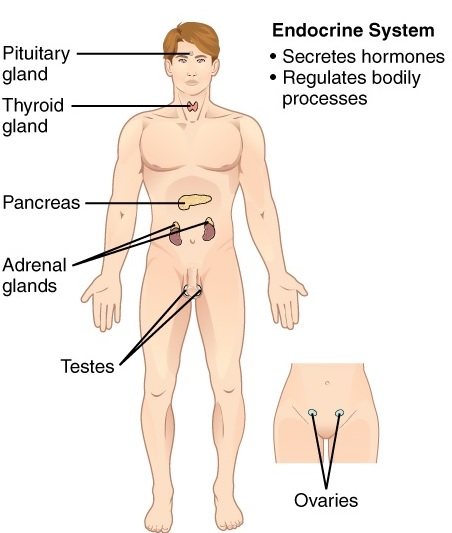
It helps to regulate the physiology by secretion of hormones. These are also chemical messenger in the body.
There are different types of hormones controlling specific physiological purposes.
8. Reproductive system
This is the organ system that is responsible for the continuation of species.
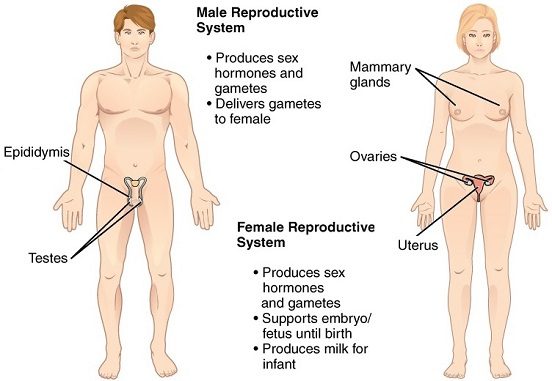
It helps in the formation of offspring to keep up further life. This system is quite interesting in that it is just one part and incomplete without the support from another opposite sex organism.
In males, it comprises organs like the testis, penis, prostate glands. In females, it consists of the vagina, uterus, uterine tubes, ovaries, and also mammary glands (breast).
9. Lymphatic system
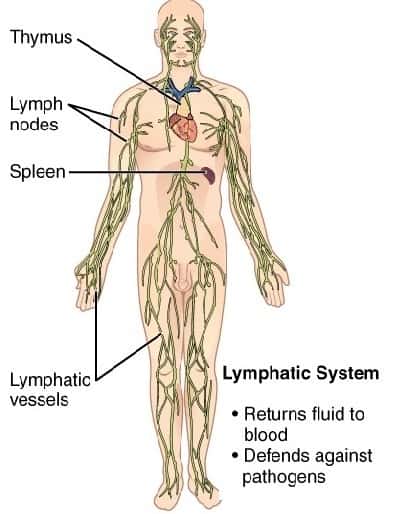
This system provides a natural defense to the body. It kills bacteria, viruses, and other parasites residing in the body.
It comprises fluid lymph, lymph nodes, lymph organs (like the spleen, tonsils, thymus,) white blood cells, and antibodies (humeral substances).
The lymphatic system is arranged parallel to the blood circulation and widely distributed in important points of the body.
You can find it in the intestine, kidney, liver, brain, etc. where it traps the pathogens and prevents their further spread by destroying them.
10. Urinary system
This system is meant to remove the wastes and toxins from the body.
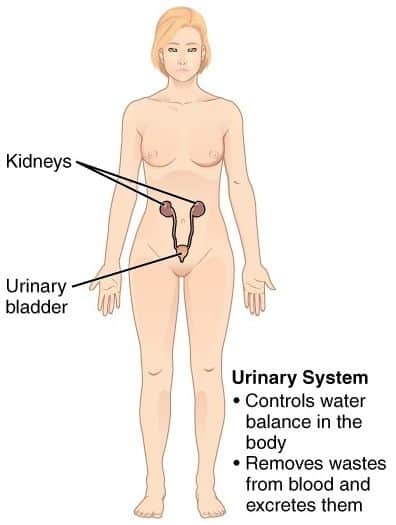
Any substance in the body is first converted to a water-soluble form by the liver.
This is transported by the blood to the kidneys of the urinary system. There the blood flows through the glomerulus of the nephron and gets filtered to lose those wastes.
The load on the kidney is reduced as other organs like the skin, lungs, and saliva also participate in the excretion of waste from the body.
11. Integumentary system
This is a covering system that covers the whole body surface.
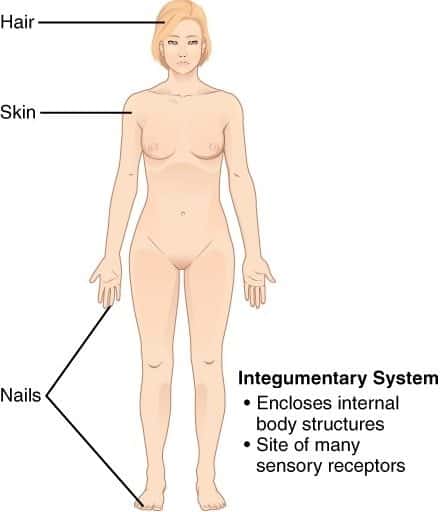
The organs under this system are skin, hair, nails, etc. It also prevents dehydration and heat loss. It keeps the body safe from damage, wears, and also infections.
Though we can divide the body into various organs and organ systems, still if one system is affected, other systems slowly decline and cease to function. So they are interconnected and not single in function.
© 2020 study read