APEP
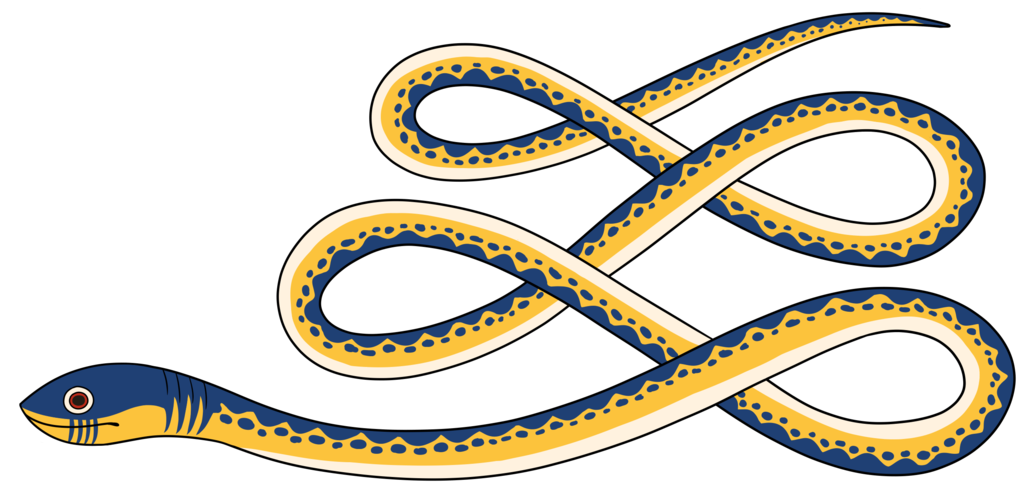
A depiction of Apep based on the depiction in the tomb of Ramesses I
| Abode | The Duat |
|---|---|
| Symbol | Snake |
| Texts | The Book of the Dead |
Apep, also spelled Apepi or Aapep (Ancient Egyptian: ꜥꜣpp(y) ʻAʼpāp(ī); Coptic: Ⲁⲫⲱⲫ Aphōph[1]) or Apophis (/əˈpoʊfɪs/;[2] Ancient Greek: Ἄποφις Ápophis*), was the ancient Egyptian deity who embodied darkness and disorder, and was thus the opponent of light and Ma'at (order/truth).
He appears in art as a giant serpent.
Apep was first mentioned in the Eighth Dynasty, and he was honored in the names of the Fourteenth Dynasty king 'Apepi and of the Greater Hyksos king Apophis.[3]: 18
| Parents | Neith |
|---|---|
| Siblings | Ra |
Development
Ra was the solar deity, bringer of light, and thus the upholder of Ma'at.
Apep was viewed as the greatest enemy of Ra, and thus was given the title Enemy of Ra, and also "the Lord of Chaos".
Apep was seen as a giant snake or serpent leading to such titles as Serpent from the Nile and Evil Dragon.
Some elaborations said that he stretched 16 yards in length and had a head made of flint.
Already on a Naqada I (c. 4000 BCE) C-ware bowl (now in Cairo) a snake was painted on the inside rim combined with other desert and aquatic animals as a possible enemy of a deity, possibly a solar deity, who is invisibly hunting in a big rowing vessel.[5]
While in most texts Apep is described as a giant snake, he is sometimes depicted as a crocodile.[6]
The few descriptions of Apep's origin in myth usually demonstrate that it was born after Ra, usually from his umbilical cord.
But Apep was commonly believed to have existed from the beginning of time in the waters of Nu of primeval chaos.[7]