Ceres, ROMAN
Ceres (mythology)
In ancient Roman religion, Ceres (/ˈsɪəriːz/ SEER-eez,[1][2] was a goddess of agriculture, grain crops, fertility and motherly relationships.[3]
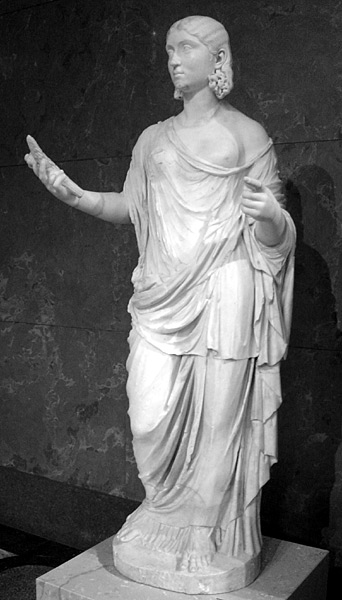
Funerary statue of an unknown woman, depicted as Ceres holding wheat. Mid 3rd century AD. (Louvre)
Ceres was patron and protector of plebeian laws, rights and Tribunes.
Her Aventine Temple served the plebeians as cult centre, legal archive, treasury and possibly law-court; its foundation was contemporaneous with the passage of the Lex Sacrata, which established the office and person of plebeian aediles and tribunes as inviolate representatives of the Roman people.
The Concilium Plebis
(English: Plebeian Council., Plebeian Assembly, People's Assembly or Council of the Plebs) was the principal assembly of the common people of the ancient Roman Republic.
It functioned as a legislative/judicial assembly,[1] through which the plebeians (commoners) could pass legislation (called plebiscites), elect plebeian tribunes and plebeian aediles, and try judicial cases.
The Plebeian Council was originally organized on the basis of the Curia but in 471 BC adopted an organizational system based on residential districts or tribes.[2]
The Plebeian Council usually met in the well of the Comitium and could only be convoked by the tribune of the plebs.
The patricians were excluded from the Council.