Burnet Rose
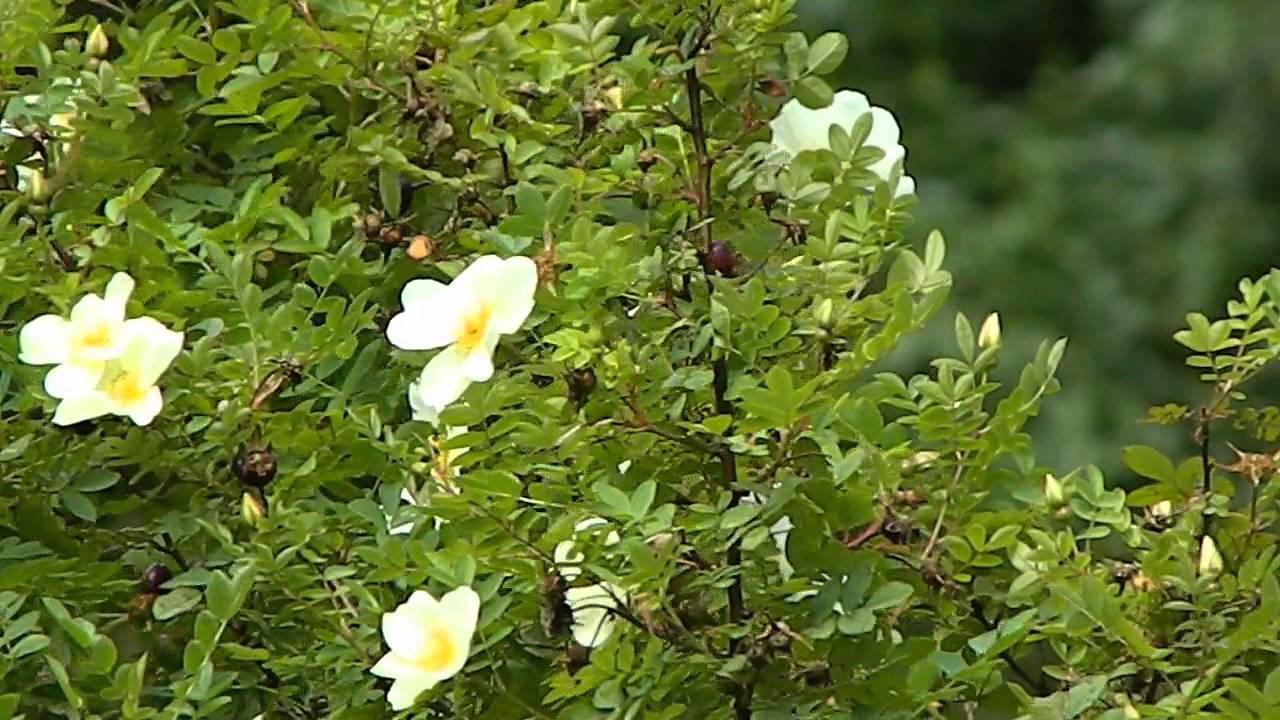
The Burnet Rose, scientifically known as Rosa pimpinellifolia, is a captivating species of wild rose that is native to Europe and western Asia. This hardy shrub is renowned for its resilience and ability to thrive in a variety of challenging environments, from coastal dunes to rocky hillsides. Its distinctive features and ecological significance make it a subject of interest for botanists, gardeners, and nature enthusiasts alike.
Botanical Characteristics
Appearance
The Burnet Rose is a low-growing, deciduous shrub that typically reaches heights of 1 to 3 feet. It is characterized by its dense, bushy growth habit and its thorny stems, which are covered in fine, bristly hairs. The leaves are pinnate, usually comprising 5 to 7 small, oval leaflets with serrated edges. These leaflets are a dark green color, providing a striking contrast to the plant's flowers and fruits.
Flowers
One of the most enchanting features of the Burnet Rose is its flowers. Blooming from late spring to early summer, the flowers are typically creamy white, although they can occasionally be found in shades of pale pink. Each flower is about 1 to 2 inches in diameter and consists of five petals surrounding a cluster of yellow stamens. The flowers emit a delicate, sweet fragrance that attracts a variety of pollinators, including bees and butterflies.
Fruits
Following the flowering period, the Burnet Rose produces small, spherical fruits known as hips. These hips are initially green but turn a deep, purplish-black color as they mature. They are rich in vitamin C and have been used historically in traditional medicine and culinary applications.
Habitat and Distribution
The Burnet Rose is highly adaptable and can be found in a range of habitats. It is particularly well-suited to sandy soils and is often found in coastal areas, where it helps to stabilize sand dunes. It also thrives in calcareous grasslands, heathlands, and rocky slopes. The plant's extensive root system allows it to anchor itself firmly in these challenging environments, making it an important species for soil conservation.
Geographically, the Burnet Rose is widespread across Europe, from the British Isles to the Mediterranean region, and extends into western Asia. It is also found in some parts of North America, where it has been introduced and naturalized.
Ecological Importance
The Burnet Rose plays a vital role in its ecosystem. Its flowers provide a valuable source of nectar and pollen for a variety of insects, including bees, butterflies, and hoverflies. The dense, thorny growth of the shrub offers shelter and nesting sites for small birds and mammals. Additionally, the hips are a food source for birds and other wildlife during the autumn and winter months.
Cultivation and Uses
Gardening
The Burnet Rose is a popular choice for gardeners looking to create naturalistic landscapes or wildlife-friendly gardens. Its hardiness and low maintenance requirements make it an ideal plant for difficult sites, such as coastal gardens or areas with poor, sandy soil. It can be used to form hedges, ground cover, or as part of a mixed shrub border. The plant's attractive flowers and fruits add seasonal interest to the garden.
Traditional Uses
Historically, the Burnet Rose has been used for various medicinal and culinary purposes. The hips are rich in vitamin C and have been used to make syrups, jams, and teas. In traditional medicine, they have been employed to treat ailments such as colds, flu, and digestive issues. The plant's astringent properties have also made it useful in skincare preparations.