Teflon
Videos
Lead, arsenic & now Teflon: What’s in your water?
Teflon, a brand name for polytetrafluoroethylene (PTFE), is a synthetic fluoropolymer of tetrafluoroethylene. It is widely known for its non-stick properties and is commonly used in cookware, such as frying pans and baking sheets. Beyond cookware, Teflon is also used in a variety of applications, including fabric protectors, cable insulation, and even in the aerospace industry due to its high resistance to heat and chemical reactions.
The Chemistry of Teflon
Teflon is composed of carbon and fluorine atoms, forming a strong carbon-fluorine bond. This bond is one of the strongest in organic chemistry, contributing to Teflon's durability and resistance to heat and chemical reactions. The non-stick property of Teflon is due to its low coefficient of friction, which means that substances do not easily adhere to its surface.
Teflon and Endocrine Disruptors
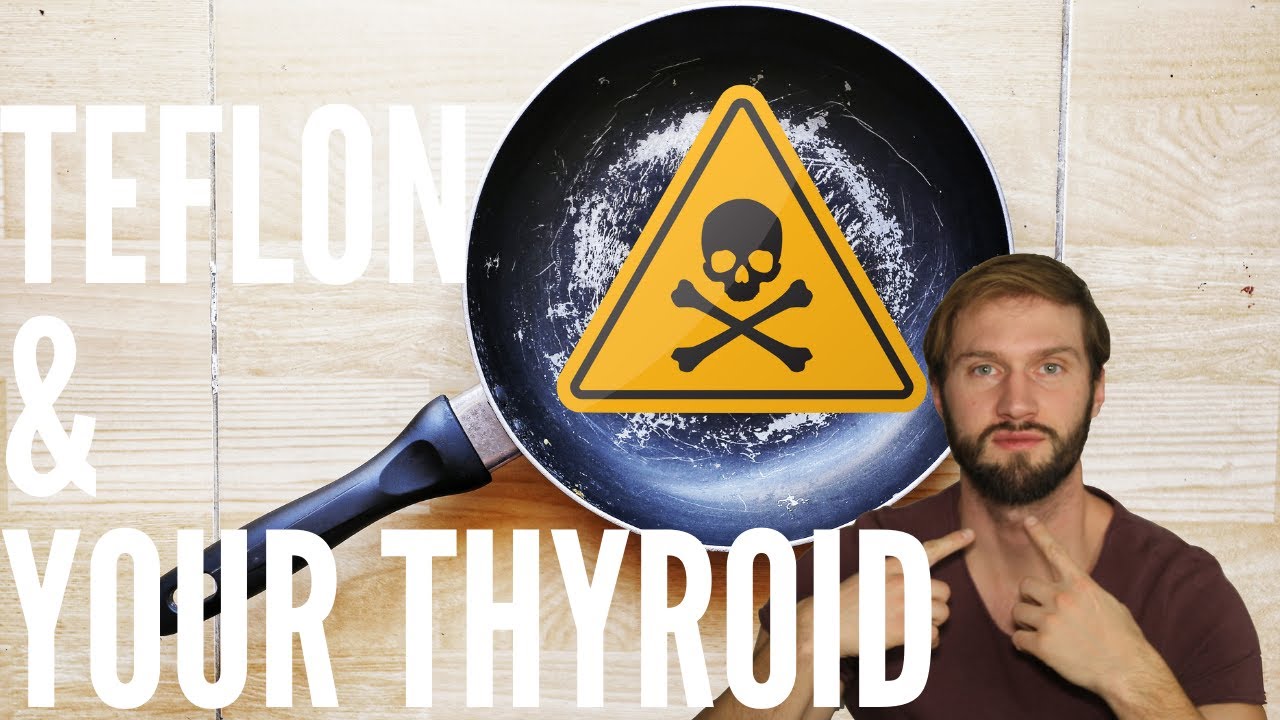
Endocrine disruptors are chemicals that can interfere with the endocrine (hormone) system in animals, including humans. These disruptions can cause cancerous tumors, birth defects, and other developmental disorders. The concern with Teflon arises from the chemicals used in its production, particularly perfluorooctanoic acid (PFOA), which has been identified as a potential endocrine disruptor.
What Are Endocrine Disruptors?
Endocrine disruptors can mimic or interfere with the body's hormones, leading to a variety of health issues. They can bind to hormone receptors, block the action of hormones, or alter the natural production and breakdown of hormones. This interference can affect reproductive health, development, and metabolism.
PFOA and Its Impact
PFOA, also known as C8, was historically used in the manufacturing process of Teflon. It is a type of perfluorinated compound (PFC) that has been linked to several health concerns, including endocrine disruption. Studies have shown that PFOA can persist in the environment and in the human body for extended periods, leading to bioaccumulation and potential health risks.
Health Concerns and Regulatory Actions
The potential health risks associated with PFOA and other perfluorinated compounds have led to increased scrutiny and regulatory actions. Research has suggested links between PFOA exposure and various health issues, such as:
- Thyroid disease
- Immune system effects
- Developmental issues in children
- Increased cholesterol levels
- Certain types of cancer
In response to these concerns, the U.S. Environmental Protection Agency (EPA) and other regulatory bodies have taken steps to reduce and eventually eliminate the use of PFOA in manufacturing processes. Many companies have voluntarily phased out the use of PFOA and have developed alternative processes to produce Teflon without this chemical.
Alternatives and Safety Measures
As awareness of the potential risks associated with PFOA has grown, manufacturers have sought alternatives to produce non-stick coatings without using harmful chemicals. Some of these alternatives include:
- Ceramic coatings: These are made from natural materials and do not contain PFOA or other harmful chemicals.
- Silicone coatings: These are another non-stick option that is considered safer and more environmentally friendly.
- Stainless steel and cast iron: While not non-stick, these materials offer a durable and chemical-free cooking surface.
For consumers concerned about the potential risks of Teflon, there are several safety measures that can be taken:
- Use Teflon cookware at low to medium heat to minimize the release of any potentially harmful fumes.
- Avoid using metal utensils on non-stick surfaces to prevent scratching and degradation of the coating.
- Replace non-stick cookware if the coating becomes scratched or damaged.