Microdosing / Microdose
VIDEOS
Remarkable results of microdosing
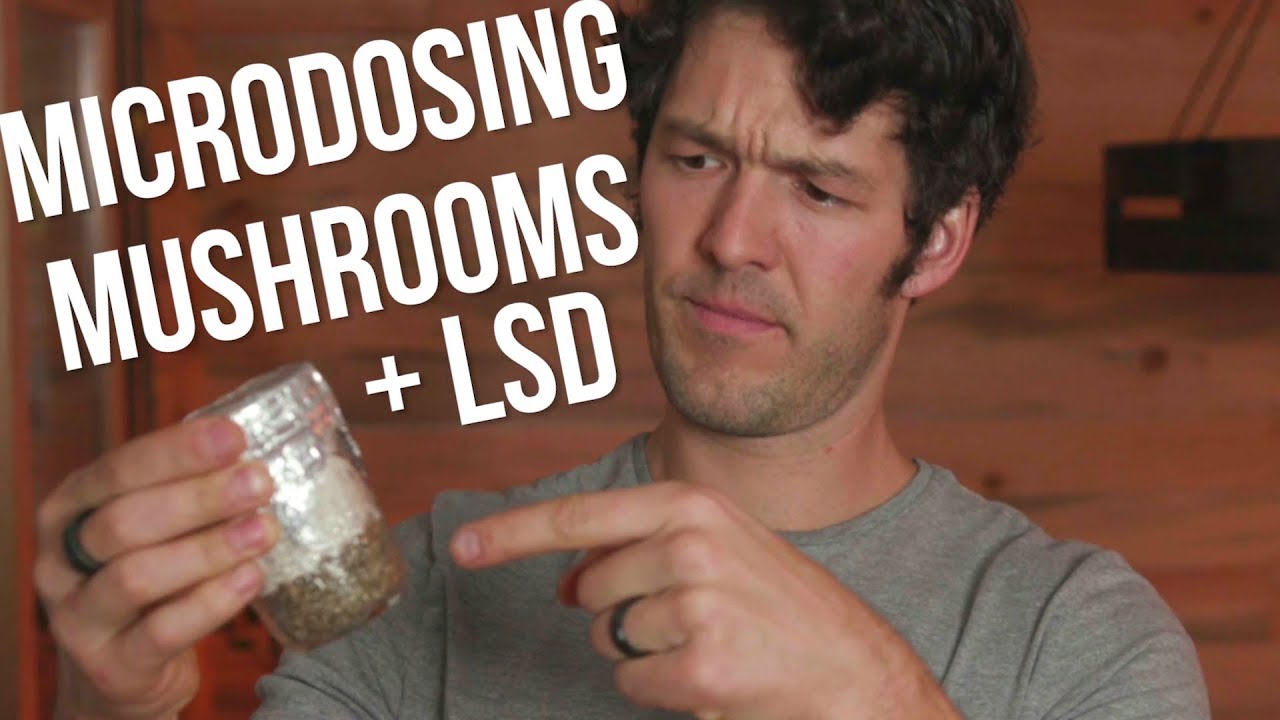
Microdosing Mushrooms, LSD & DMT: Experiences and Feedback
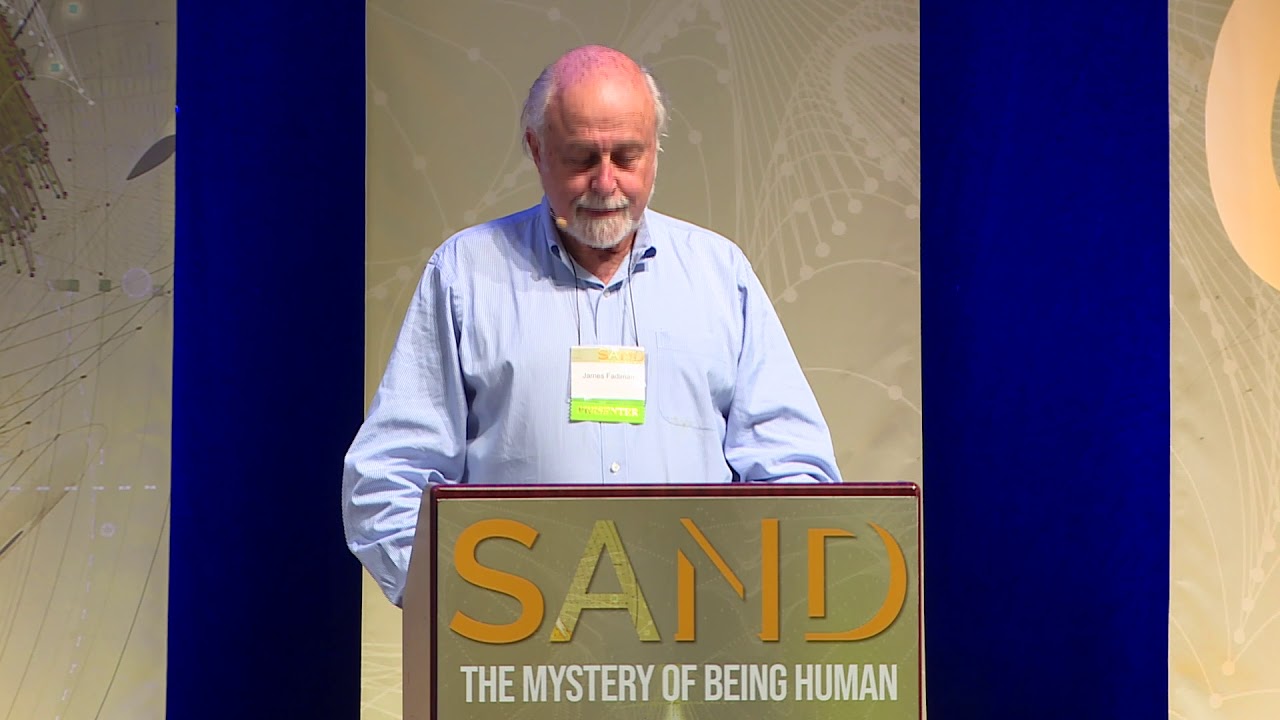
Microdosing: A conversation with James Fadiman
Microdosing may cause more harm than good
What’s the best alcohol to microdose?
Microdosing Mom Vows to Use Ayahuasca for the Rest of Her Life
Does microdosing LSD make you smarter? WIRED Explains
Things to Know About Microdosing
"Lucid Microdosing with Light and Sound" with Garnet Dupuis
Microdosing: People who take LSD with breakfast - BBC News
Micro-dosing: Saving Lives with Psychedelics
Does microdosing LSD make you smarter?
Paul Austin on Microdosing: Psychedelics for Leadership Development | TNW Conference 2017
Is Microdosing The Future of Marijuana?
Psychedelics — Microdosing, Mind Enhancing Methods, and More | The Tim Ferriss Show (Podcast)
Microdosing: The Benefits, Risks, & Unknowns w/ Jim Fadiman & Ayelet Waldman
Microdosing LSD: The Ultimate Creativity Nootropic and How to Make it Right
Writer Ayelet Waldman on how microdosing LSD changed her life
Microdosing refers to the practice of consuming very small, sub-perceptual doses of psychedelic substances, such as LSD (lysergic acid diethylamide) or psilocybin mushrooms. Unlike traditional psychedelic use, which involves taking a dose large enough to produce significant alterations in perception and consciousness, microdosing aims to achieve subtle effects that enhance daily functioning without causing a full-blown psychedelic experience.
The Concept and Practice
Microdosing typically involves taking about 1/10th to 1/20th of a recreational dose of a psychedelic substance. For instance, a common microdose of LSD might be around 10-20 micrograms, while a microdose of psilocybin mushrooms could be approximately 0.1-0.3 grams. These doses are usually taken every few days, following a schedule such as one day on and two days off, to prevent tolerance build-up and maintain effectiveness.
Potential Benefits
Proponents of microdosing claim a variety of benefits, although scientific research is still in its early stages. Some of the reported advantages include:
- Enhanced Creativity: Many users report increased creativity and problem-solving abilities, making microdosing popular among artists and professionals in creative fields.
- Improved Focus and Productivity: Microdosing is said to enhance concentration and efficiency, potentially benefiting those in demanding work environments.
- Mood Enhancement: Users often experience improved mood and reduced symptoms of depression and anxiety, contributing to overall well-being.
- Increased Energy: Some individuals find that microdosing provides a boost in energy levels, helping them to feel more motivated and active.
- Better Social Interactions: Enhanced empathy and communication skills are also reported, which can improve personal and professional relationships.
Scientific Research and Evidence
While anecdotal evidence is abundant, scientific research on microdosing is limited but growing. Some studies have begun to explore the effects of microdosing on mental health and cognitive function. For example, a study published in the journal Psychopharmacology found that microdosing could lead to improvements in mood and focus. However, more rigorous, controlled studies are needed to confirm these findings and understand the mechanisms involved.
Risks and Considerations
Despite the potential benefits, microdosing is not without risks and considerations:
- Legal Issues: Most psychedelic substances are illegal in many parts of the world, and possession or use can lead to legal consequences.
- Lack of Regulation: The unregulated nature of psychedelics means that purity and dosage can vary, posing potential health risks.
- Psychological Effects: While microdosing is generally considered safe, some individuals may experience anxiety, paranoia, or other negative psychological effects.
- Physical Health: There is limited information on the long-term physical health effects of microdosing, necessitating caution and further research.
Microdosing Protocols
Several protocols have been developed to guide microdosing practices. The most well-known is the Fadiman Protocol, named after psychologist James Fadiman, which involves taking a microdose every three days. Another approach is the Stamets Stack, created by mycologist Paul Stamets, which combines psilocybin with other supplements like lion's mane mushroom and niacin to potentially enhance neurogenesis and cognitive function.
Helps hearing, cognition, depression. It makes users more creative which makes them happier.
The definition of microdosing has variable interpretations. Using thePsilocybe cubensis (Golden Caps) scale, which is the most common Psilocybe mushroom in the world, 1 gram is lift off. 5 grams is "the hero's journey". When you take 1/10th of 1 gram you don't feel it. But this low dose benefits neurogenesis. Early research suggests that neurological benefits of microdosing are greater than macrodosing. Microdosing over weeks helps regenerate nerves, not by flooding receptors, as in macrodosing, but by feeding the receptors (at this time this is a hypothesis for how it works).
The Dr. James Fadiman protocol: Microdose one day on, two days off, repeat.
Paul Stamets protocol: days on, three days off, repeat
Stamets proposes stacking psilocybin with niacin; 1/10th gram ofPsilocybe cubensis and 100-200 mg niacin. The niacin excites the nerves at the end of the peripheral nervous system (neuropathy often begins in fingers and toes), and it's a vasodilator. Additionally, the niacin assures that people are only microdosing because it makes for great discomfort if a full dose of psilocybin is taken.
User's Experience on the Stamet's Stack
An app available on Apple and Android, https://microdose.me tracks everything and from a baseline, shows measurable improvements.
A correlational study on the effects of microdosing psychedelic substances on cognitive performance and mental health.
You input which protocol you are using. Are you using it with niacin? Lion's mane? etc.
Drugs & Supplements that have shown no effect on people microdosing mushrooms or LSD
Experiences of microdosing psychedelics in an attempt to support wellbeing and mental health.
Microdosing psilocybin for chronic pain: a case series.
Psychedelic microdosing benefits and challenges: an empirical codebook.
Microdosing psychedelics: personality, mental health, and creativity differences in microdosers.
Psychedelics in microdosing afford promotion of neurogenesis and synaptic plasticity.