Xanthoma
Videos
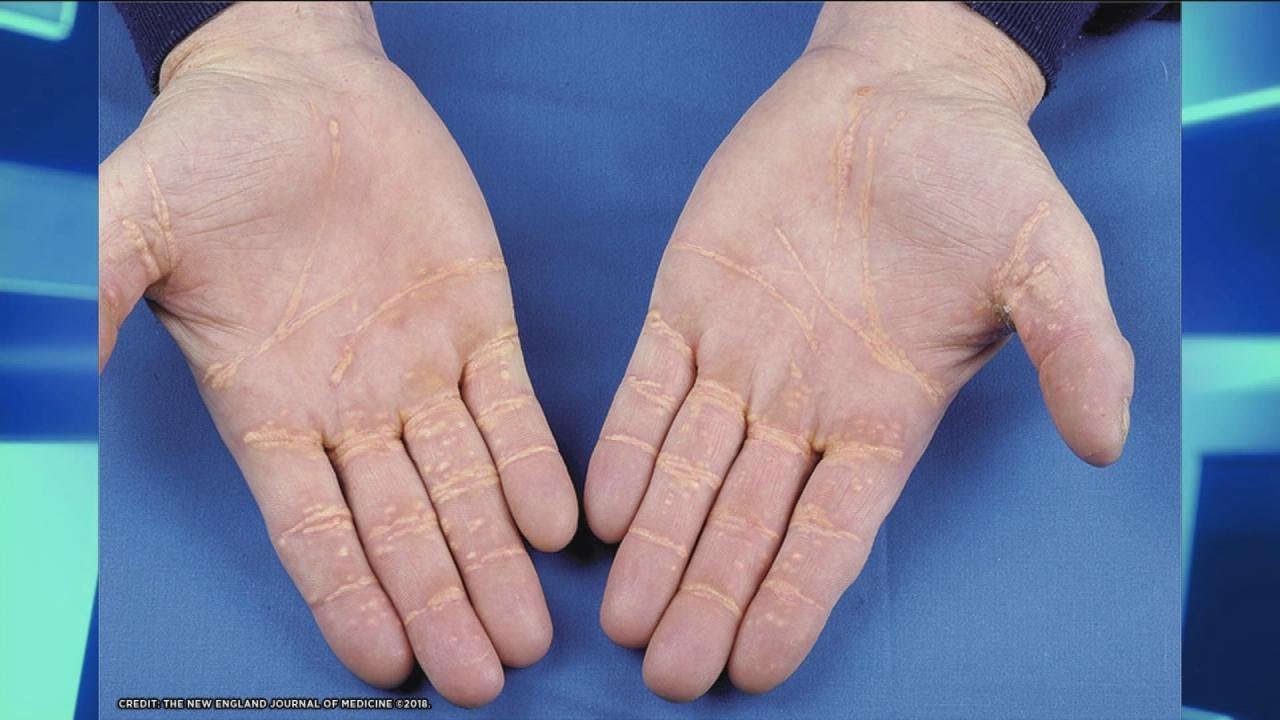
Another threat of high cholesterol: tendon xanthomas
Xanthoma is a medical condition characterized by the formation of fatty deposits under the skin. These deposits, known as xanthomas, are typically yellowish in color and can vary in size. They are often associated with lipid disorders, where there is an abnormal level of lipids in the blood. Xanthomas can appear anywhere on the body but are most commonly found on the elbows, knees, hands, feet, and buttocks.
Causes of Xanthoma
Xanthomas are primarily caused by lipid metabolism disorders. These disorders lead to elevated levels of lipids, such as cholesterol and triglycerides, in the bloodstream. The excess lipids are then deposited in the skin, forming xanthomas. Some common causes include:
- Hyperlipidemia: This is a condition characterized by high levels of lipids in the blood. It can be due to genetic factors or lifestyle choices such as a high-fat diet.
- Diabetes Mellitus: Poorly controlled diabetes can lead to lipid abnormalities, increasing the risk of xanthoma formation.
- Hypothyroidism: An underactive thyroid gland can result in elevated cholesterol levels, contributing to xanthoma development.
- Liver Disease: Conditions like primary biliary cholangitis can cause lipid imbalances, leading to xanthomas.
- Genetic Disorders: Familial hypercholesterolemia and other inherited conditions can predispose individuals to xanthomas.
Types of Xanthoma
Xanthomas can be classified into several types based on their appearance and location:
- Xanthelasma: These are soft, yellowish plaques that typically appear on the eyelids. They are the most common type of xanthoma and are often associated with high cholesterol levels.
- Tuberous Xanthoma: These are firm, painless nodules that usually develop on the knees, elbows, and buttocks. They are often linked to elevated triglyceride levels.
- Tendinous Xanthoma: These xanthomas form on tendons, particularly the Achilles tendon and tendons of the hands. They are associated with familial hypercholesterolemia.
- Eruptive Xanthoma: These are small, yellowish-red papules that appear suddenly, often on the buttocks, shoulders, and arms. They are typically associated with very high triglyceride levels.
- Plane Xanthoma: These are flat, yellowish patches that can occur anywhere on the body, including the palms and face. They are often linked to underlying systemic conditions.
Symptoms of Xanthoma
The primary symptom of xanthoma is the presence of yellowish deposits on the skin. These deposits can vary in size and shape, depending on the type of xanthoma. Other symptoms may include:
- Itching or tenderness around the affected area
- Cosmetic concerns due to the appearance of the deposits
- In some cases, xanthomas may indicate an underlying health condition, such as cardiovascular disease or diabetes, which may present additional symptoms.
Diagnosis of Xanthoma
Diagnosing xanthoma typically involves a combination of physical examination and laboratory tests. A healthcare provider will:
- Conduct a Physical Examination: The appearance and location of the deposits can provide clues about the type of xanthoma.
- Review Medical History: Understanding the patient's medical history, including any lipid disorders or family history of similar conditions, is crucial.
- Perform Blood Tests: These tests measure lipid levels in the blood, helping to identify any underlying lipid metabolism disorders.
- Biopsy: In some cases, a skin biopsy may be performed to confirm the diagnosis by examining the tissue under a microscope.
Treatment of Xanthoma
The treatment of xanthoma focuses on addressing the underlying cause and managing symptoms. Treatment options may include:
- Lifestyle Modifications: Adopting a healthy diet low in saturated fats and cholesterol, along with regular exercise, can help manage lipid levels.
- Medications: Lipid-lowering medications, such as statins, fibrates, or niacin, may be prescribed to control cholesterol and triglyceride levels.
- Surgical Removal: In cases where xanthomas cause significant discomfort or cosmetic concerns, surgical removal or laser therapy may be considered.
- Managing Underlying Conditions: Treating any underlying conditions, such as diabetes or hypothyroidism, is essential for preventing the recurrence of xanthomas.
Prognosis and Prevention
The prognosis for individuals with xanthoma largely depends on the underlying cause and the effectiveness of treatment. By managing lipid levels and addressing any associated health conditions, the risk of developing new xanthomas can be reduced. Preventive measures include:
- Regular monitoring of lipid levels
- Maintaining a healthy lifestyle with a balanced diet and regular physical activity
- Adhering to prescribed medications and treatment plans for any underlying conditions