Bladder Senna
See Senna Leaf
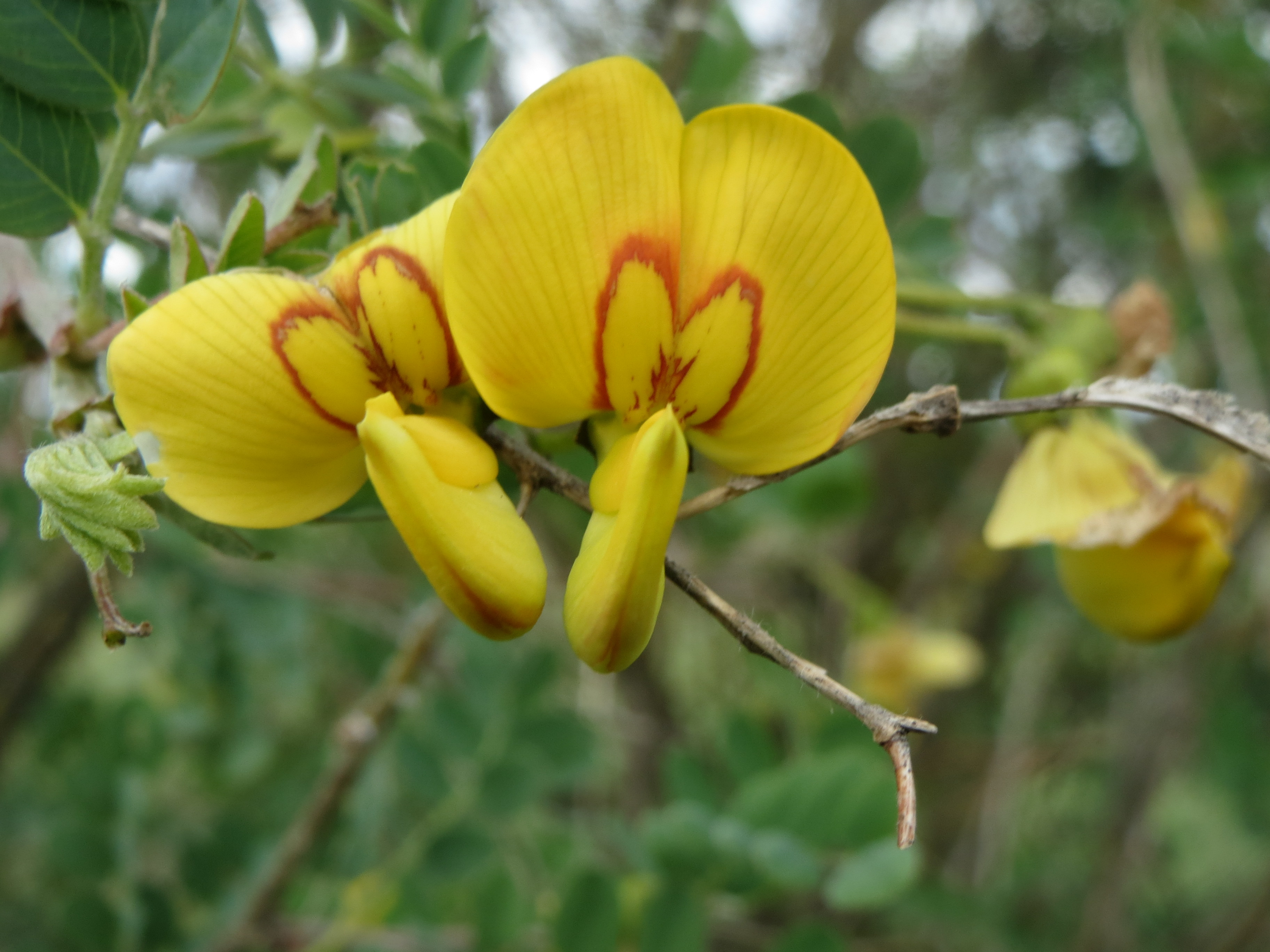
Colutea arborescens, commonly known as Bladder Senna, is a deciduous shrub belonging to the Fabaceae family. Native to Southern Europe and parts of Western Asia, this plant is renowned for its distinctive bladder-like seed pods and vibrant yellow flowers.
Botanical Characteristics
Appearance
- Height and Spread: Colutea arborescens typically grows to a height of 6-10 feet (1.8-3 meters) and can spread equally wide.
- Leaves: The leaves are pinnate, comprising 5-9 leaflets that are oval and slightly hairy, giving the plant a soft texture.
- Flowers: The plant produces bright yellow, pea-like flowers that bloom from late spring to early summer. These flowers are arranged in loose racemes and are known for attracting pollinators such as bees.
- Seed Pods: One of the most distinctive features of Colutea arborescens is its inflated, bladder-like seed pods. These pods start green and turn brown as they mature, eventually splitting open to release seeds.
Growth Conditions
- Soil: This shrub is highly adaptable to various soil types, including poor, sandy, and well-drained soils. It can tolerate alkaline conditions but prefers a neutral to slightly acidic pH.
- Sunlight: Colutea arborescens thrives in full sun but can also tolerate partial shade.
- Watering: It is drought-tolerant once established, requiring minimal watering. However, regular watering during the initial growth phase helps in better establishment.
- Hardiness: The plant is hardy in USDA zones 6-9, making it suitable for a wide range of climates.
Ecological and Ornamental Uses
Ecological Benefits
- Pollinator Attraction: The bright yellow flowers are highly attractive to bees and other pollinators, making it a valuable addition to pollinator gardens.
- Soil Improvement: As a member of the Fabaceae family, Colutea arborescens has nitrogen-fixing capabilities, which can improve soil fertility over time.
- Erosion Control: Its extensive root system helps in stabilizing soil, making it useful for erosion control on slopes and embankments.
Ornamental Uses
- Garden Design: Due to its attractive foliage, flowers, and unique seed pods, Colutea arborescens is often used in garden borders, hedges, and as a specimen plant.
- Low Maintenance: Its drought tolerance and minimal care requirements make it an excellent choice for low-maintenance gardens.
- Seasonal Interest: The plant offers year-round interest with its spring and summer flowers, followed by the intriguing seed pods in the fall.
MEDICINAL / CULINARY USES
- General medicinal purposes: The plant is harvested from the wild for local use as a medicine, though specific applications are not detailed in the provided information.
- Laxative properties: While not explicitly stated for C. arborescens, it's mentioned that John Gerard cautioned that bladder senna is not true senna. This implies it may have been used as a laxative, similar to true senna, but with less potency.
- Potential anti-inflammatory properties: Although not specifically mentioned for C. arborescens, a related species, Colutea cilicica, has been used to heal inflammatory wounds in traditional medicine. This suggests that C. arborescens might have similar properties.
- Historical medicinal use: The plant was imported to the UK before 1568, likely for medicinal purposes, though it is now grown mostly for ornamental reasons.
- Possible nutritional use: In times of scarcity, the Bedouins of the Sinai and Negev would eat the seeds of a related species, Colutea istria. While not a direct medicinal use, this suggests potential nutritional value.
It's important to note that while these traditional uses exist, the plant is now primarily cultivated for ornamental purposes rather than medicinal use. Additionally, the plant has low severity poison characteristics, so caution should be exercised in its use.
Propagation and Care
Propagation
- Seeds: The most common method of propagation is through seeds. The seeds should be sown in the spring after the last frost. Scarification of seeds can improve germination rates.
- Cuttings: Semi-hardwood cuttings taken in late summer can also be used for propagation, though this method is less common.
Care Tips
- Pruning: Light pruning after flowering helps maintain the shape and encourages bushier growth. Remove any dead or damaged branches to promote healthy growth.
- Pests and Diseases: Colutea arborescens is relatively pest-free but can occasionally be affected by aphids or caterpillars. Regular monitoring and appropriate treatments can keep these issues in check.
- Fertilization: Generally, the plant does not require much fertilization. However, a light application of balanced fertilizer in the spring can support vigorous growth.
CULTURAL AND HISTORICAL SIGNIFICANCE
Colutea arborescens has been cultivated for centuries, not only for its ornamental value but also for its practical uses. Historically, the inflated seed pods were used in children's games, and the plant was often grown in monastery gardens for its medicinal properties. In traditional medicine, various parts of the plant were used to treat ailments such as skin conditions and digestive issues.