Ear-Leaved False Foxglove
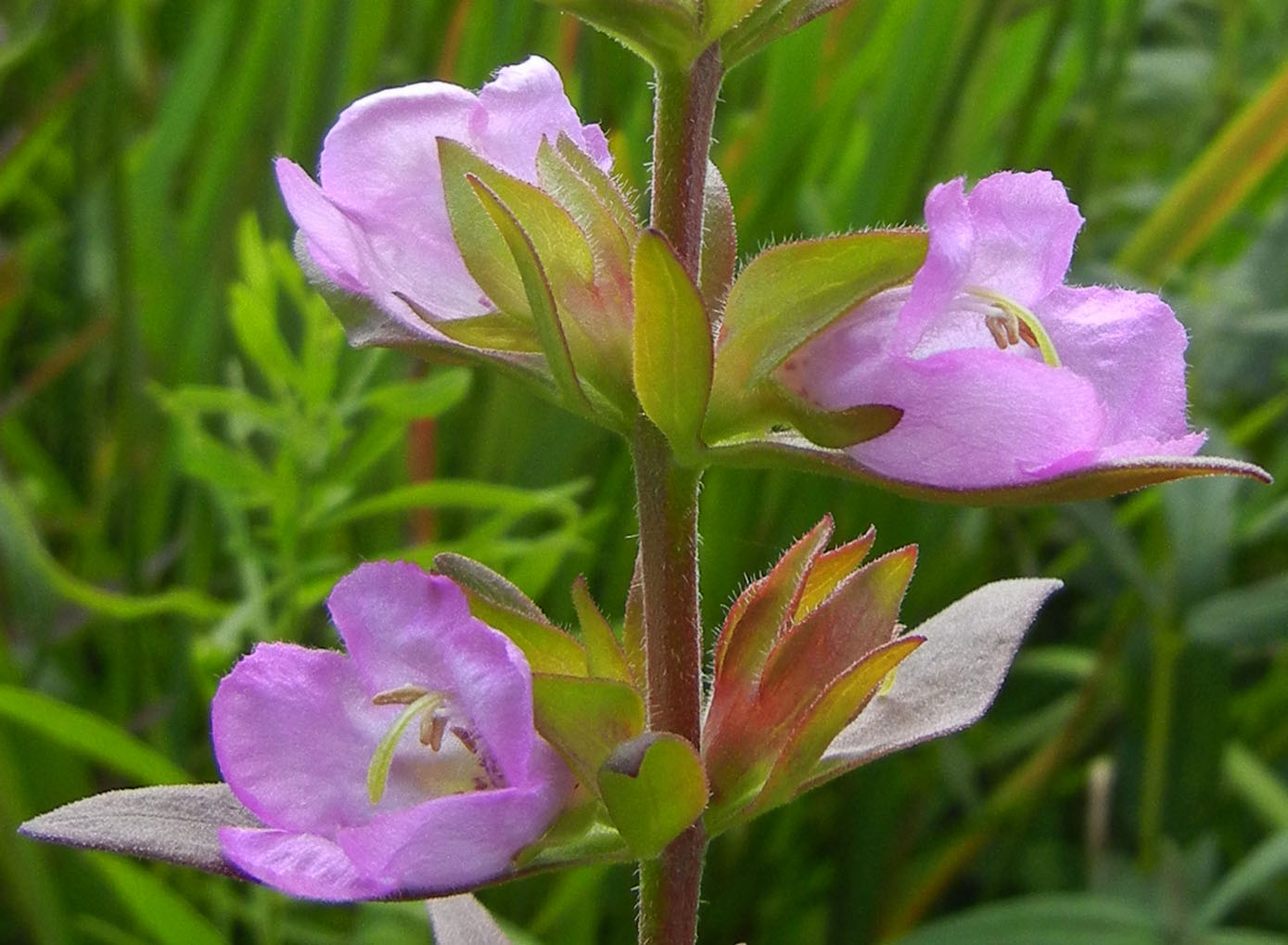
This perennial plant is native to North America, particularly found in the southeastern United States. Its unique name is derived from the shape of its leaves, which resemble the ears of an animal, and its flowers that bear a resemblance to the popular garden plant, foxglove.
Characteristics of Ear-Leaved False Foxglove
The Ear-Leaved False Foxglove is a herbaceous plant that typically grows up to 1-3 feet in height. Its slender stems are adorned with lance-shaped leaves that have distinctive "ear-like" lobes at their bases, hence the name. The leaves are arranged alternately along the stem and have a smooth texture. The plant blooms in late summer to early fall, producing tubular-shaped flowers that vary in color from pale pink to lavender. These charming flowers feature a yellow throat and are a magnet for pollinators like bees and butterflies.
Habitat and Distribution
Ear-Leaved False Foxglove thrives in a variety of habitats, including open woodlands, prairies, meadows, and along roadsides. It prefers well-drained soils and can tolerate both full sun and partial shade. This wildflower is primarily found in the southeastern United States, stretching from Texas to Florida and as far north as Virginia. It plays a vital role in the ecosystem by providing nectar and pollen for pollinators, contributing to the biodiversity of the region.
Cultivation and Care
If you are considering adding Ear-Leaved False Foxglove to your garden, there are a few key factors to keep in mind for successful cultivation. This plant prefers moist, well-drained soil with a neutral to slightly acidic pH. It is relatively low-maintenance once established and can be propagated through seeds or division. Planting in a location with adequate sunlight and spacing the plants apart to allow for good air circulation will promote healthy growth.
Watering the plant regularly, especially during dry spells, will help maintain its vigor. Mulching around the base of the plant can aid in moisture retention and weed suppression. While Ear-Leaved False Foxglove is generally pest and disease resistant, keeping an eye out for any signs of stress or infestation is recommended for early intervention.
Significance and Uses
Beyond its aesthetic appeal, Ear-Leaved False Foxglove holds cultural and ecological significance. In the wild, it serves as a valuable food source for native pollinators, supporting the overall health of the ecosystem. Additionally, some Native American tribes have historically used parts of the plant for medicinal purposes, although caution should be exercised as certain species within the Orobanchaceae family can be toxic if ingested.
In a garden setting, Ear-Leaved False Foxglove can be a charming addition to wildflower meadows, cottage gardens, or naturalistic landscapes. Its delicate blooms and unique foliage add a touch of whimsy and elegance to any outdoor space. Consider pairing it with other native wildflowers or ornamental grasses to create a harmonious and wildlife-friendly garden environment.