Key Thatch Palm
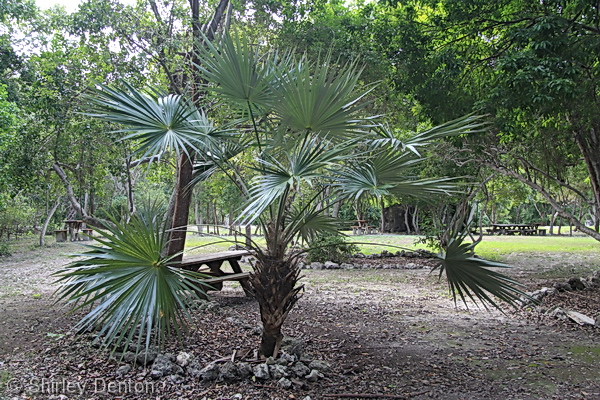
Key Thatch Palm
The Key Thatch Palm, scientifically known as Leucothrinax morrisii, is a captivating species of palm native to the subtropical regions of the Caribbean and parts of Florida. This palm is renowned for its resilience and adaptability, making it a popular choice for landscaping in coastal areas. Its unique appearance and ecological significance contribute to its popularity among botanists and horticulturists alike.
Description
The Key Thatch Palm is a small to medium-sized palm, typically reaching heights of 10 to 20 feet, although some specimens can grow taller under optimal conditions. It features a slender, smooth trunk that is often grayish in color. The trunk is topped with a crown of fan-shaped leaves, which are a distinctive feature of this species. These leaves are typically green to bluish-green and can measure up to 3 feet in diameter. The leaf segments are stiff and radiate outwards, giving the palm its characteristic fan-like appearance.
Habitat and Distribution
This palm is native to the Florida Keys, the Bahamas, and parts of the Caribbean, including Cuba and the Cayman Islands. It thrives in sandy, well-drained soils and is often found in coastal hammocks, pine rocklands, and other subtropical environments. The Key Thatch Palm is well-adapted to withstand salt spray and high winds, making it an ideal choice for coastal landscaping.
Ecological Importance
The Key Thatch Palm plays a vital role in its native ecosystems. It provides habitat and food for a variety of wildlife, including birds, insects, and small mammals. The palm's seeds are a food source for birds, while its leaves offer shelter and nesting sites. Additionally, the palm's presence helps stabilize sandy soils, reducing erosion in coastal areas.
Cultivation and Care
For those interested in cultivating the Key Thatch Palm, it is important to mimic its natural habitat as closely as possible. Here are some key considerations for successful growth:
- Soil: Well-drained, sandy soils are ideal. The palm does not tolerate waterlogged conditions.
- Light: Full sun is preferred, although the palm can tolerate partial shade.
- Watering: Once established, the Key Thatch Palm is drought-tolerant. However, regular watering is beneficial during the initial growth phase.
- Temperature: This palm is frost-sensitive and thrives in temperatures above 30°F. It is best suited for USDA hardiness zones 10 to 11.
- Fertilization: A balanced palm fertilizer applied during the growing season can promote healthy growth.
Uses in Landscaping
The Key Thatch Palm is a versatile addition to any landscape, particularly in coastal or tropical-themed gardens. Its compact size makes it suitable for small spaces, and its salt tolerance allows it to be planted near the ocean. The palm's striking appearance can serve as a focal point in garden designs, and it pairs well with other tropical plants.
Conservation Status
While the Key Thatch Palm is not currently listed as endangered, its natural habitats are under threat from development and environmental changes. Conservation efforts focus on preserving the coastal ecosystems where this palm thrives. In Florida, the palm is protected in several state parks and nature reserves, ensuring its continued presence in the region.
Interesting Facts
- The Key Thatch Palm is sometimes referred to as the "Silver Thatch Palm" due to the silvery sheen on the underside of its leaves.
- It is one of the few palm species that can tolerate high levels of salt, making it a valuable plant for coastal restoration projects.
- The palm's leaves have been traditionally used by indigenous peoples for thatching roofs and weaving baskets.
In summary, the Key Thatch Palm is a remarkable species that offers both aesthetic and ecological benefits. Its ability to thrive in challenging coastal environments, coupled with its unique appearance, makes it a valuable addition to gardens and natural landscapes alike. As we continue to face environmental challenges, the conservation of such species becomes increasingly important, ensuring that future generations can enjoy the beauty and benefits of the Key Thatch Palm.