Screwbean Mesquite
Videos
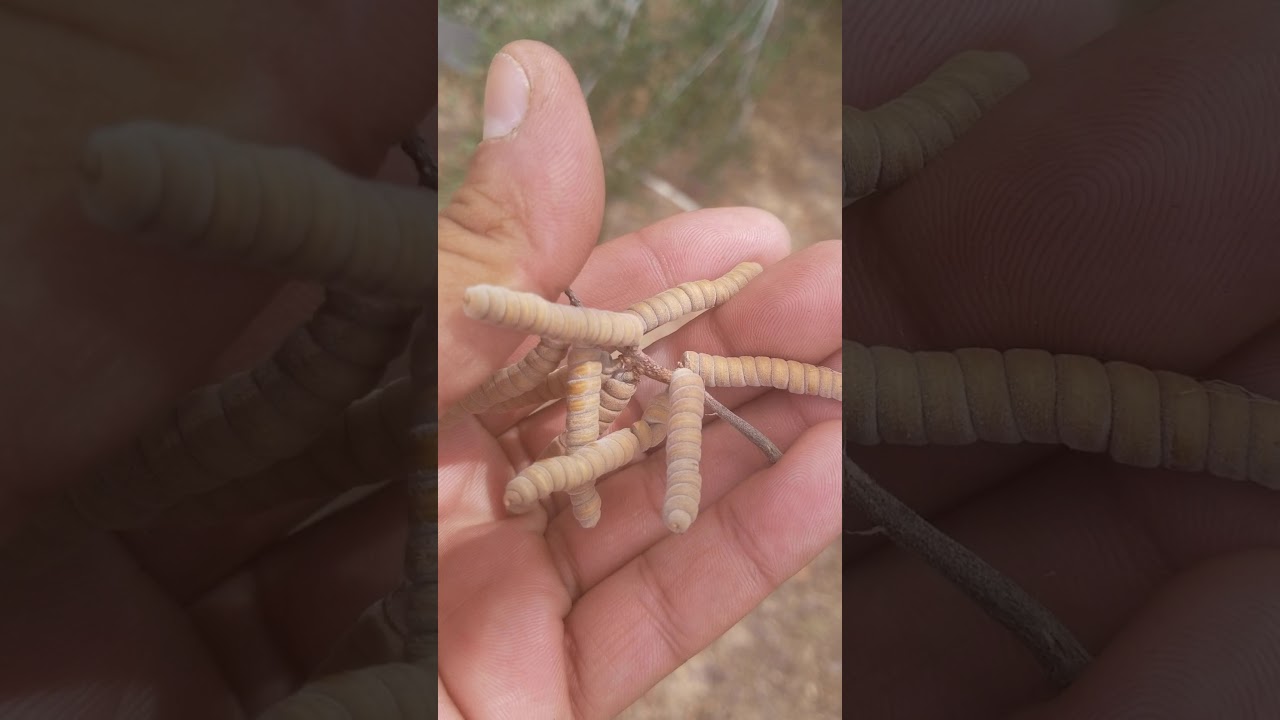
North America (Arizona, Sonoran Desert): fruit eaten by Native American (Pima and Papago ?), Yuma, and Seri groups.
The Screwbean Mesquite, scientifically known as Prosopis pubescens, is a unique species of mesquite tree native to the southwestern United States and northern Mexico. This tree is notable for its distinctive screw-like seed pods, which set it apart from other mesquite species.
Botanical Characteristics
Appearance
The Screwbean Mesquite is a small to medium-sized tree, typically reaching heights of 10 to 20 feet. It has a multi-stemmed growth habit, often forming dense thickets. The bark is rough and dark brown, providing a stark contrast to its feathery, light green foliage. The leaves are bipinnate, meaning they are divided into smaller leaflets, which gives the tree a delicate, airy appearance.
Flowers and Seed Pods
One of the most striking features of the Screwbean Mesquite is its flowers and seed pods. The tree produces small, yellowish-green flowers that are arranged in dense, cylindrical spikes. These flowers are highly attractive to pollinators, particularly bees. Following pollination, the tree develops its characteristic seed pods, which are tightly coiled and resemble screws or corkscrews. These pods are typically 2 to 4 inches long and contain several seeds.
Ecological Significance
Habitat and Range
Screwbean Mesquite thrives in arid and semi-arid environments, often found along riverbanks, floodplains, and desert washes. Its range extends from southern California and Arizona in the United States to northern Mexico. The tree is well-adapted to survive in harsh conditions, with deep roots that can access groundwater and a high tolerance for saline soils.
Role in the Ecosystem
The Screwbean Mesquite plays a crucial role in its ecosystem. Its dense thickets provide shelter and nesting sites for various bird species, while its flowers offer a valuable nectar source for pollinators. The seed pods are a food source for wildlife, including rodents and birds, which help in seed dispersal. Additionally, the tree's ability to fix nitrogen in the soil improves soil fertility, benefiting other plant species in the area.
Uses and Benefits
Traditional Uses
Indigenous peoples of the southwestern United States and northern Mexico have long utilized the Screwbean Mesquite for various purposes. The seeds and pods were ground into flour to make bread and other food items. The wood, known for its hardness and durability, was used to construct tools, weapons, and even furniture. The tree's bark and leaves were also used in traditional medicine to treat various ailments.
Modern Applications
In contemporary times, the Screwbean Mesquite continues to be valued for its wood, which is used in woodworking and furniture making. The tree is also planted for erosion control and habitat restoration projects due to its ability to stabilize soil and improve soil quality. Additionally, its unique appearance makes it an attractive choice for xeriscaping and ornamental planting in arid regions.
Conservation Status
Threats
Despite its resilience, the Screwbean Mesquite faces several threats. Habitat loss due to agricultural expansion, urban development, and water diversion projects poses a significant risk. Invasive species, such as the Tamarisk (Saltcedar), compete with the Screwbean Mesquite for resources, further exacerbating its decline.
Conservation Efforts
Efforts to conserve the Screwbean Mesquite include habitat restoration projects, where native vegetation is replanted, and invasive species are removed. Conservationists also work to protect existing populations by advocating for sustainable land-use practices and water management. Public education and awareness campaigns aim to highlight the ecological importance of the Screwbean Mesquite and encourage its preservation.