Wound Assessment
BATES-JENSEN WOUND ASSESSMENT TOOL
Videos
Terminology for Wound Documentation

What is the Bates-Jensen wound assessment scale?

Wound Measurement- Understand Wound Care -
Imaging Inflammation Resolution and Wound Repair
What is the Bates-Jensen Assessment Scale
How Often do you Assess a Wound?
Wound assessment is a critical component of effective wound management and healing. It involves a comprehensive evaluation of a wound to determine its type, severity, and the appropriate treatment plan. This process is essential for healthcare professionals to ensure optimal healing and to prevent complications. Below, we delve into the key aspects of wound assessment, including its importance, components, and best practices.
Importance of Wound Assessment
Wound assessment is vital for several reasons:
- Accurate Diagnosis: Proper assessment helps in identifying the type of wound, which is crucial for determining the appropriate treatment strategy.
- Monitoring Progress: Regular assessment allows healthcare providers to monitor the healing process and make necessary adjustments to the treatment plan.
- Preventing Complications: Early detection of potential complications, such as infections or delayed healing, can be managed promptly through regular assessments.
- Documentation: Detailed documentation of wound characteristics and changes over time is essential for legal, clinical, and research purposes.
Components of Wound Assessment
A thorough wound assessment involves several components, each providing valuable information about the wound's condition and healing potential.
1. Patient History
Understanding the patient's medical history is the first step in wound assessment. This includes:
- Medical Conditions: Chronic illnesses such as diabetes or vascular diseases can affect wound healing.
- Medications: Certain medications may impact the healing process.
- Allergies: Knowledge of any allergies is crucial to avoid adverse reactions to treatments.
2. Wound Location and Type
Identifying the wound's location and type is essential for determining the appropriate treatment. Common types of wounds include:
- Acute Wounds: Such as surgical incisions or traumatic injuries.
- Chronic Wounds: Including pressure ulcers, diabetic foot ulcers, and venous leg ulcers.
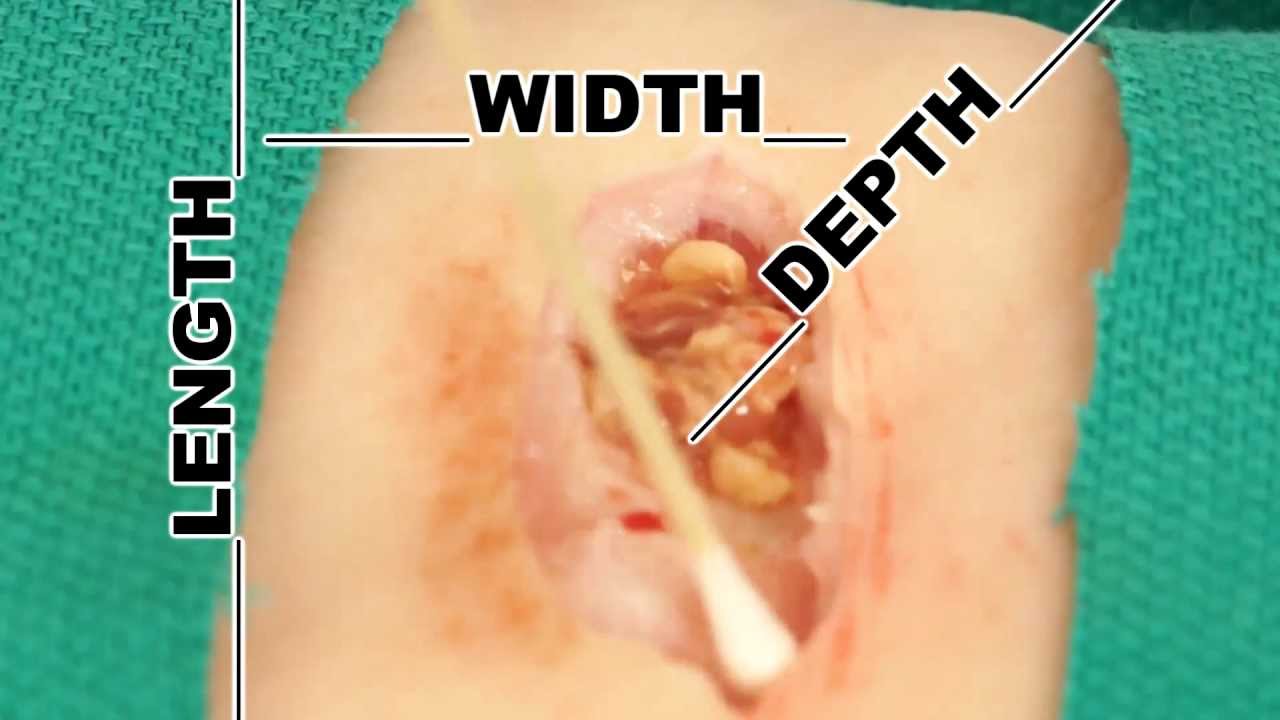
3. Wound Size and Depth
Measuring the wound's size and depth provides a baseline for monitoring healing progress. This includes:
- Length, Width, and Depth: Use a ruler or wound measurement tool for accuracy.
- Undermining and Tunneling: Assess for any areas where the wound extends beneath the skin surface.
4. Wound Bed and Tissue Type
The condition of the wound bed and the type of tissue present are critical indicators of healing potential:
- Granulation Tissue: Indicates healing; appears red and moist.
- Necrotic Tissue: Dead tissue that may appear black or yellow; requires removal for healing.
- Slough: Soft, moist, and often yellow tissue that needs to be debrided.
5. Exudate
The type and amount of exudate (fluid) can provide insights into the wound's condition:
- Serous: Clear, watery fluid; often a normal part of healing.
- Purulent: Thick, yellow, or green fluid; may indicate infection.
- Sanguineous: Bloody drainage; common in fresh wounds.
6. Wound Edges and Surrounding Skin
Assessing the wound edges and surrounding skin helps identify potential complications:
- Maceration: Softening of the skin due to excessive moisture.
- Erythema: Redness that may indicate infection or inflammation.
- Induration: Hardening of the skin, which can signal underlying issues.
7. Pain Assessment
Pain is a subjective but important component of wound assessment:
- Location and Intensity: Use pain scales to quantify pain levels.
- Characteristics: Determine if the pain is sharp, dull, constant, or intermittent.
Best Practices in Wound Assessment
To ensure a comprehensive and effective wound assessment, healthcare professionals should adhere to the following best practices:
1. Use a Standardized Approach
Implementing a standardized assessment tool or checklist can help ensure consistency and thoroughness in wound evaluations. Tools such as the Bates-Jensen Wound Assessment Tool (BWAT) or the Pressure Ulcer Scale for Healing (PUSH) are commonly used.
2. Document Findings Accurately
Accurate and detailed documentation is crucial for tracking wound progress and communicating with other healthcare providers. Include measurements, descriptions, and any changes observed during each assessment.
3. Regular Reassessment
Wounds should be reassessed regularly to monitor healing and adjust treatment plans as needed. The frequency of reassessment depends on the wound type and severity, but it is generally recommended to assess at each dressing change.
4. Involve the Patient
Engaging the patient in their wound care can improve compliance and outcomes. Educate them about the importance of wound assessment and involve them in the monitoring process.
5. Stay Informed
Healthcare professionals should stay updated on the latest wound care research and guidelines to ensure they are providing the best possible care.