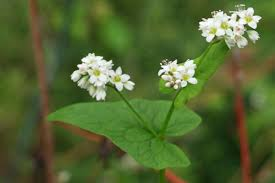
Buckwheat
See also Fagopyrum (genus)
Videos

Top 3 Safest Carbs (Low Glycemic and Gluten Free)
Constituents
A systematic review of phytochemicals in oat and buckwheat.
A superfood. No gluten. Very high in copper, zinc, rutin (a natural ACE inhibitor). It contains d-chiro-inositol which helps with carbohydrate metabolism.
Buckwheat, a highly nutritious and versatile grain, has gained popularity in recent years due to its numerous health benefits and culinary uses. Despite its name, buckwheat is not a type of wheat but rather a seed from a flowering plant related to rhubarb and sorrel. This gluten-free grain is packed with essential nutrients and can be incorporated into a wide range of dishes, making it a great choice for those with dietary restrictions or seeking to diversify their meals.
One of the key advantages of buckwheat is its impressive nutritional profile. It is a rich source of complex carbohydrates, dietary fiber, and plant-based protein, making it an excellent choice for individuals looking to boost their energy levels and maintain a healthy weight. Additionally, buckwheat contains essential minerals such as magnesium, manganese, and phosphorus, which are vital for maintaining strong bones and supporting various bodily functions.
Another noteworthy aspect of buckwheat is its potential health benefits. Studies have shown that consuming buckwheat may help lower blood pressure and reduce the risk of heart disease. This is attributed to the presence of a compound called rutin, which has been found to improve blood flow and promote cardiovascular health. Furthermore, the high fiber content in buckwheat can aid in digestion, prevent constipation, and contribute to a healthy gut microbiome.
In terms of culinary applications, buckwheat offers a wide range of possibilities. It can be ground into flour and used as a gluten-free alternative in baking, making it suitable for individuals with celiac disease or gluten intolerance. Buckwheat flour is commonly used to make pancakes, bread, and noodles, adding a unique nutty flavor and a hearty texture to these dishes. Additionally, buckwheat groats, the hulled seeds of the plant, can be cooked and used as a base for salads, pilafs, and porridge, providing a nutritious and satisfying meal option.
Buckwheat is also a popular ingredient in various international cuisines. In Japan, it is used to make soba noodles, which are enjoyed both hot and cold. Soba noodles are often served with a dipping sauce or in a flavorful broth, making them a staple in Japanese cuisine. In Eastern Europe, buckwheat is commonly used to make kasha, a traditional dish made by simmering the groats in water or broth until tender. Kasha can be served as a side dish or used as a filling in savory recipes.
Moreover, buckwheat is a versatile grain that can be easily incorporated into a plant-based or vegetarian diet. It can be used as a substitute for rice, couscous, or other grains in various recipes, providing a nutrient-dense alternative. Buckwheat can also be sprouted and added to salads or used as a topping for soups and stews, adding a crunchy texture and a boost of vitamins and minerals.
Articles/Studies
a-amylase inhibitor
Suppressive effect of the α-amylase ihibitor albumin from buckwheat.
Antioxidant
Buckwheat and especially buckwheat sprouts have significant antioxidant activity.
Cardiovascular
- Buckwheat herb tea protects against leg edemia in patients with chronic venous insufficiency.
- Consumption of Buckwheat Products and Cardiovascular Risk Profile: A Randomized, Single-Blinded Crossover Trial
Cognitive
Buckwheat flour and its starch prevent age-related cognitive decline.