Angiosarcoma
Angiosarcoma is a rare and clinically highly variable cancer of blood vessels (a form of sarcoma). High grade (aggressive) angiosarcomas can start anywhere in the body. The most common place for angiosarcomas to arise is in the head and neck area, breast (frequently several years after radiation and surgery for breast cancer), bone, or other vital organs such as liver and spleen. Less aggressive forms of angiosarcoma exist as well, such as epithelioid hemangioendothelioma (EHE). There are other rare forms of angiosarcoma, which will not be discussed here. Kaposi sarcoma is also a form of blood vessel sarcoma, but is discussed separately. Kaposi sarcoma is one of the rare forms of cancer caused by a virus, KSHV or HHV-8, which escapes control of the immune system as seen in patients with HIV or in elderly patients, typically living in the areas around the Mediterranean Sea.
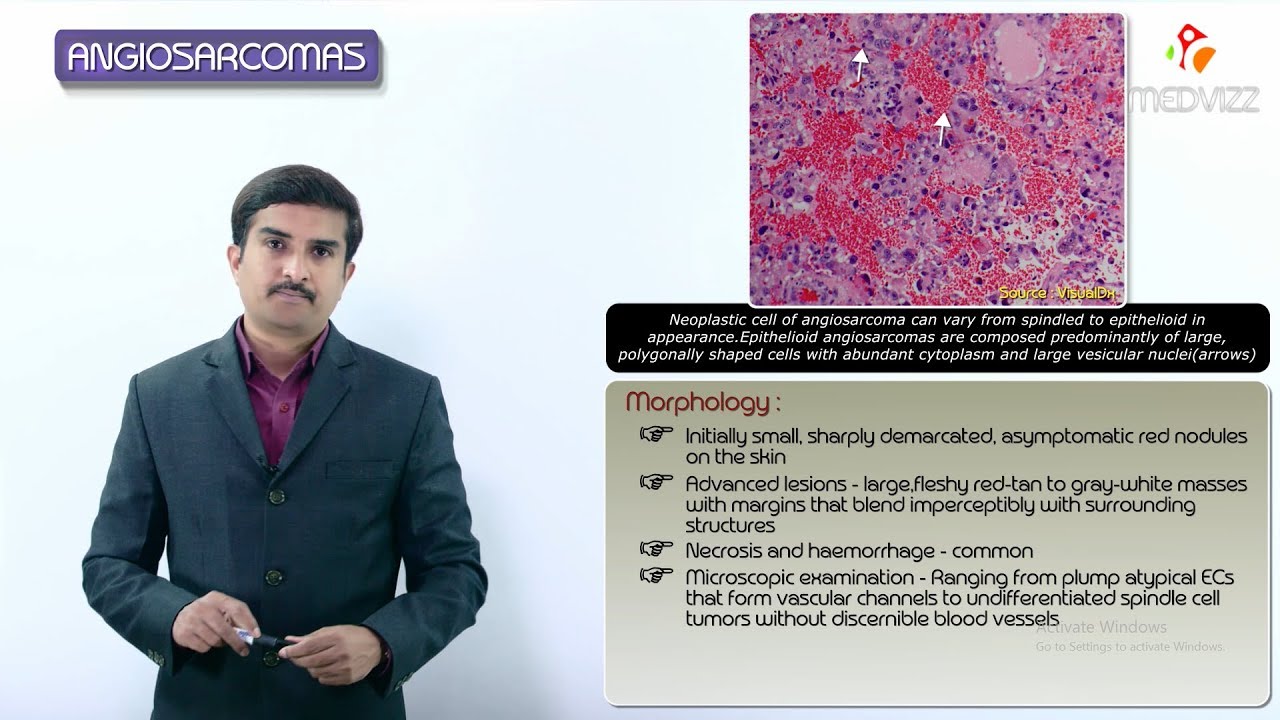
Angiosarcoma of head and neck
Living with angiosarcoma
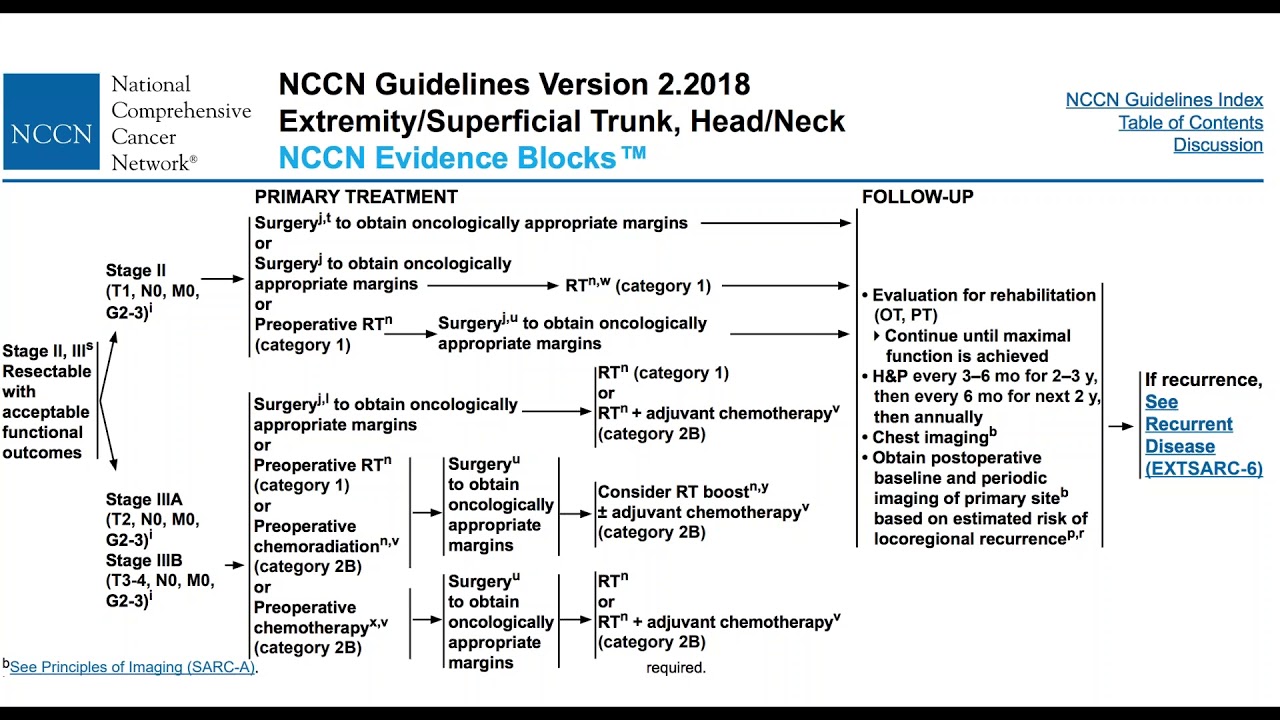
We Were There - PVC and Angiosarcoma
Angiosarcoma is a rare and aggressive form of cancer that originates in the endothelial cells lining the blood vessels and lymphatic vessels. This malignancy can occur in any part of the body but is most commonly found in the skin, breast, liver, and spleen. Due to its aggressive nature and the complexity of its diagnosis and treatment, understanding angiosarcoma is crucial for both medical professionals and patients.
Etiology and Risk Factors
The exact cause of angiosarcoma is not well understood, but several risk factors have been identified:
- Radiation Exposure: Previous radiation therapy, especially for breast cancer, is a significant risk factor.
- Chronic Lymphedema: Long-standing lymphedema, often resulting from surgical removal of lymph nodes, can lead to angiosarcoma.
- Chemical Exposure: Exposure to certain chemicals, such as vinyl chloride and arsenic, has been linked to the development of angiosarcoma.
- Genetic Factors: Although rare, some genetic mutations and syndromes, such as neurofibromatosis, can predispose individuals to angiosarcoma.
Clinical Presentation
Angiosarcoma can present in various ways depending on its location:
- Cutaneous Angiosarcoma: Often appears as a bruise-like lesion or a raised, purplish area on the skin, commonly on the scalp or face.
- Breast Angiosarcoma: May present as a palpable mass, skin discoloration, or changes in breast shape.
- Hepatic Angiosarcoma: Symptoms can include abdominal pain, weight loss, and jaundice.
- Cardiac Angiosarcoma: Rare but can cause symptoms like chest pain, shortness of breath, and heart failure.
Diagnosis
Diagnosing angiosarcoma can be challenging due to its rarity and the nonspecific nature of its symptoms. The diagnostic process typically involves:
- Clinical Examination: Initial assessment by a healthcare provider based on symptoms and physical findings.
- Imaging Studies: Techniques such as MRI, CT scans, and PET scans help visualize the tumor and assess its extent.
- Biopsy: A definitive diagnosis is made through a biopsy, where a tissue sample is examined histologically to identify cancerous cells.
- Histopathological Analysis: Immunohistochemical staining is often used to confirm the diagnosis by identifying specific markers characteristic of angiosarcoma.
Treatment Options
Treatment for angiosarcoma is complex and often requires a multidisciplinary approach. The main treatment modalities include:
- Surgery: The primary treatment for localized angiosarcoma, aiming to remove the tumor with clear margins.
- Radiation Therapy: Often used postoperatively to reduce the risk of recurrence or as a primary treatment in inoperable cases.
- Chemotherapy: Systemic chemotherapy may be used for metastatic disease or in conjunction with surgery and radiation.
- Targeted Therapy: Emerging treatments targeting specific molecular pathways involved in angiosarcoma are under investigation.
Prognosis
The prognosis for angiosarcoma varies widely based on factors such as the tumor's location, size, stage at diagnosis, and the patient's overall health. Generally, angiosarcoma has a poor prognosis due to its aggressive nature and high potential for metastasis. Early detection and prompt, aggressive treatment are crucial for improving outcomes.
Research and Future Directions
Ongoing research is essential to better understand angiosarcoma and develop more effective treatments. Current areas of investigation include:
- Genetic and Molecular Studies: Identifying genetic mutations and molecular pathways involved in angiosarcoma to develop targeted therapies.
- Immunotherapy: Exploring the potential of immunotherapy to harness the body's immune system to fight cancer cells.
- Clinical Trials: Participation in clinical trials can provide access to cutting-edge treatments and contribute to advancing medical knowledge.
Support and Resources
Living with angiosarcoma can be challenging, and support is crucial for patients and their families. Resources include:
- Patient Support Groups: Connecting with others who have similar experiences can provide emotional support and practical advice.
- Counseling Services: Professional counseling can help patients and families cope with the emotional impact of the diagnosis.
- Educational Materials: Access to reliable information about angiosarcoma, treatment options, and ongoing research.
Spontaneous regression of chemotherapy-resistant metastases from a scalp angiosarcoma.