Cheese (dairy)
Cheese is considered pro-inflammatory because of the casein it contains. Some cheeses are aged long enough for bacteria to reduce or eliminate the casein, such as parmesan. In parmesan we get a kind of cultured probiotic effect.
Videos
Cheese as a model microbial ecosystem
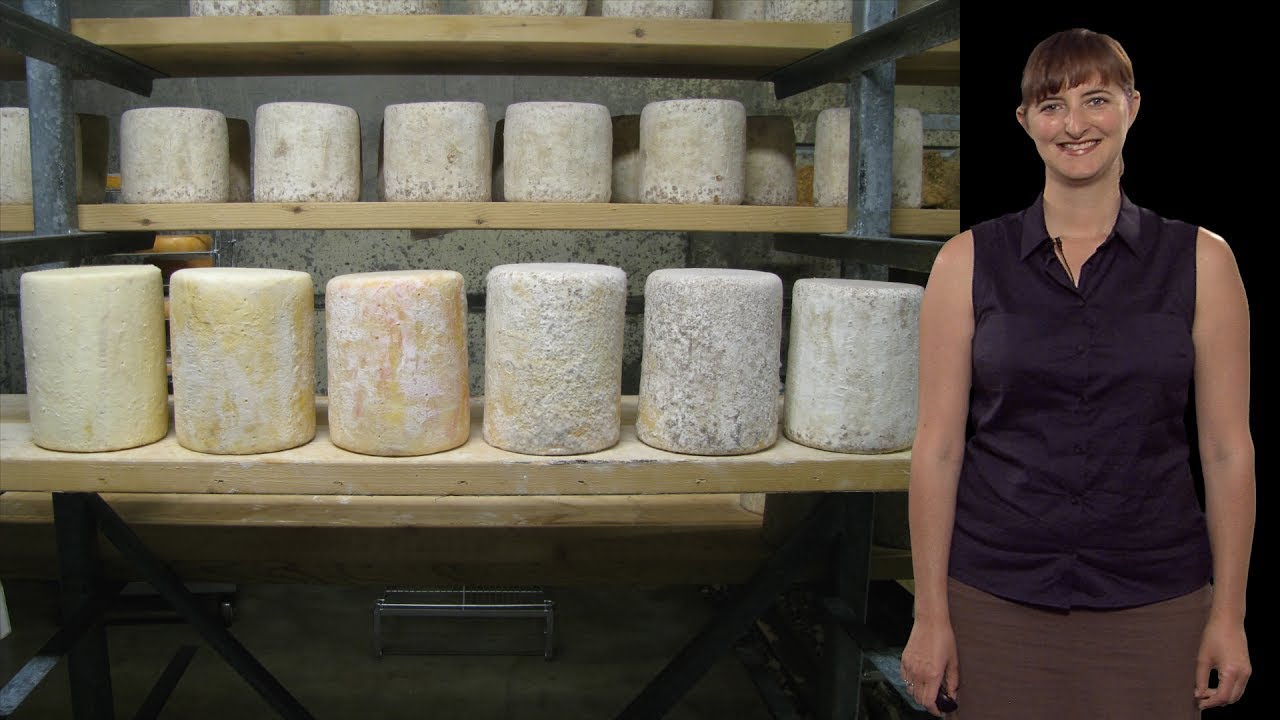
How the Food Traceability Rule works: Cheese Supply Chain Example
Is Cheese Healthy? Compared to What?
5 Frightful Facts About Cheese
How to cut the cheese and other French 'fromage' rules
Sohla’s Ancient Cheesecake Bake Off (Greeks vs. Romans) | Ancient Recipes With Sohla
Savory Summer Cheesecake
Why is French cheese so good?
Are Soft Cheeses Dangerous During Pregnancy?
Is Cheese Really Bad for You?
Articles/Studies
The bacteria that make cheese taste so good may also benefit your gut. Scientists studying three artisan British cheeses found that the microbes responsible for their distinctive flavors may also offer surprising benefits for gut health. As the cheeses matured, helpful bacteria transformed their aromas and textures while potentially producing compounds linked to reduced inflammation, cholesterol regulation, and appetite control.
Ginger essential oil can prevent cheese from getting infected with E.coli
90% of U.S. Cheese Contains GMO Made by Pfizer
Most Cheese Products Tainted with Dangerous Plastic Chemicals, Study Reveals
Eating cheese does not raise risk of heart attack or stroke, study finds