Candyroot
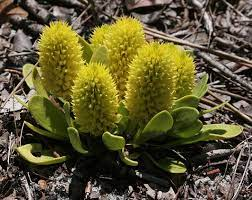
Candyroot, scientifically known as Polygala nana, is a fascinating plant species that belongs to the Polygalaceae family. This small, herbaceous perennial is native to the southeastern United States, where it thrives in sandy soils and open pine woodlands. Despite its diminutive size, Candyroot has garnered attention for its unique characteristics and ecological significance.
Botanical Description
Candyroot is a low-growing plant, typically reaching heights of 4 to 8 inches. It features slender, wiry stems that emerge from a basal rosette of leaves. The leaves are narrow, lance-shaped, and arranged alternately along the stem. One of the most distinctive features of Candyroot is its bright yellow flowers, which bloom from late spring to early summer. These flowers are small but striking, with a unique structure that includes a prominent keel petal and fringed wings.
The plant's common name, Candyroot, is derived from the sweet, licorice-like scent emitted by its roots when crushed. This aromatic quality has made it a subject of interest for both botanists and herbalists.
Habitat and Distribution
Candyroot is primarily found in the southeastern United States, with its range extending from North Carolina to Florida and westward to Louisiana. It prefers well-drained, sandy soils and is commonly found in habitats such as:
- Pine flatwoods
- Sandhills
- Scrublands
- Open woodlands
The plant is adapted to fire-prone ecosystems, where periodic fires help maintain the open, sunny conditions it requires for optimal growth. Candyroot is often found in association with other native species, contributing to the biodiversity and ecological health of these habitats.
Ecological Significance
Candyroot plays a vital role in its native ecosystems. As a member of the Polygalaceae family, it is part of a group of plants known for their symbiotic relationships with mycorrhizal fungi. These fungi form mutualistic associations with the plant's roots, enhancing nutrient uptake and soil health. This relationship is particularly important in the nutrient-poor, sandy soils where Candyroot is commonly found.
Additionally, Candyroot's bright yellow flowers attract a variety of pollinators, including bees, butterflies, and other insects. By providing a nectar source, the plant supports the local pollinator community, which in turn aids in the reproduction of other plant species in the area.
USES AND CULTURAL SIGNIFICANCE
Historically, Candyroot has been used by indigenous peoples and early settlers for its medicinal properties. The sweet-smelling roots were chewed or brewed into teas to treat various ailments, including digestive issues and respiratory conditions. While not as widely used in modern herbal medicine, Candyroot remains a plant of interest for its potential therapeutic benefits.
In addition to its medicinal uses, Candyroot is appreciated for its ornamental value. Its bright yellow flowers and low-growing habit make it an attractive addition to native plant gardens and naturalistic landscapes. Gardeners interested in supporting local biodiversity and pollinators may consider incorporating Candyroot into their plantings.
Roots chewed for flavor, not consumed. Or root soaked in hot water for a tea. As the genus can be emetic and medicinal, caution is recommended.