One-flowered Cancer-root
Constituents
Edible Parts: Leaves; Root.
Edible Uses: The whole plant is edible raw or cooked
Medicinal: Laxative; Sedative.
Orobanche uniflora, commonly known as the one-flowered broomrape, is a unique and intriguing plant species that belongs to the Orobanchaceae family. This parasitic plant is native to North America and can be found in various habitats, including grasslands, meadows, and forests. Despite its small size and inconspicuous appearance, Orobanche uniflora plays a significant role in its ecosystem and has several interesting characteristics that set it apart from other plants.
Morphology and Adaptations
One of the most distinctive features of Orobanche uniflora is its lack of chlorophyll, which makes it unable to photosynthesize like most plants. Instead of producing its own food through photosynthesis, this parasitic plant relies on other host plants for nutrients. Orobanche uniflora has specialized structures called haustoria that attach to the roots of host plants, allowing it to extract water and nutrients from them. This unique adaptation enables Orobanche uniflora to thrive in environments where traditional photosynthesis-dependent plants may struggle.
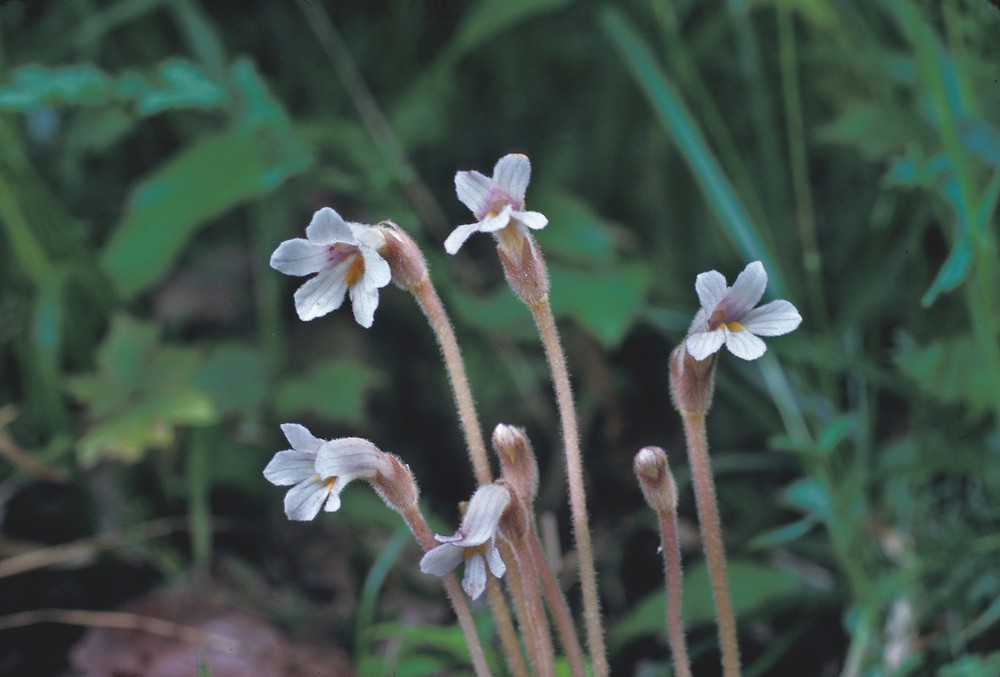
In terms of morphology, Orobanche uniflora is a small, leafless plant that produces a single, tubular flower on a slender stem. The flower of Orobanche uniflora is typically pink, purple, or white in color and has a distinctive shape that sets it apart from other plant species. Despite its simple appearance, the flower of Orobanche uniflora plays a crucial role in its reproductive process, attracting pollinators and ensuring the continuation of the species.
Reproduction and Life Cycle
The reproductive strategy of Orobanche uniflora is closely tied to its parasitic nature. This plant species produces copious amounts of tiny seeds that are dispersed in the soil, where they can remain dormant for extended periods. When the conditions are favorable, the seeds of Orobanche uniflora germinate and develop into underground structures that seek out suitable host plants. Once a host plant is located, Orobanche uniflora establishes a connection through its haustoria and begins extracting nutrients, allowing it to grow and produce flowers.
The life cycle of Orobanche uniflora is intricately linked to the availability of host plants and environmental conditions. In some cases, this parasitic plant may remain dormant for years until the right host is found, highlighting its ability to adapt and survive in challenging circumstances. The flowering of Orobanche uniflora marks the culmination of its life cycle, as it produces seeds that will eventually give rise to new generations of plants.
Ecological Importance
Despite being a parasitic plant, Orobanche uniflora plays a crucial role in its ecosystem by contributing to nutrient cycling and biodiversity. By parasitizing host plants, Orobanche uniflora helps regulate the populations of certain species and influences the distribution of plant communities. Additionally, the flowers of Orobanche uniflora serve as a food source for pollinators, contributing to the overall health of local ecosystems.
Orobanche uniflora also serves as an indicator species for environmental health, as its presence or absence can provide valuable insights into the condition of a particular habitat. Monitoring populations of Orobanche uniflora can help researchers assess the impact of human activities, climate change, and other factors on plant communities and biodiversity.
Conservation Status and Threats
Like many plant species, Orobanche uniflora faces threats to its survival, including habitat loss, invasive species, and climate change. The conservation status of Orobanche uniflora varies depending on its location, with some populations considered stable while others are at risk of decline. Efforts to protect and conserve Orobanche uniflora and its habitat are essential to ensure the continued existence of this unique plant species.
Conservation measures for Orobanche uniflora may include habitat restoration, invasive species management, and monitoring of populations to assess their health and abundance. Collaboration between researchers, conservationists, and land managers is crucial to develop effective strategies for the protection of Orobanche uniflora and other plant species that rely on healthy ecosystems for their survival.