Thrombosis
Return to Cardiovascular Disease Menu
See also: Activated protein C resistance (APCR) ;
Antiphospholipid syndrome (Hughes syndrome); Cancer Thrombosis ;
Cavernous sinus thrombosis (CST) ; Deep Vein Thrombosis ; Embolus (Emboli) ;
Recurrent Thrombosis ; Renal Vein Thrombosis Thrombophilia ; Thrombosis prevention
Videos:
What is a blood clot?
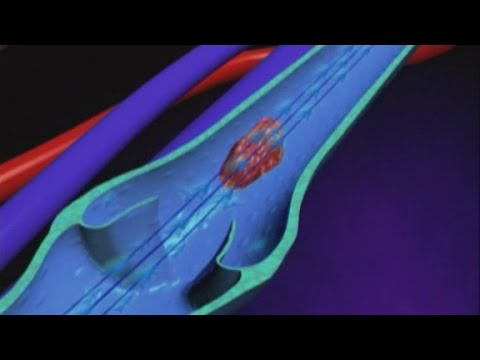
How blood clots form:

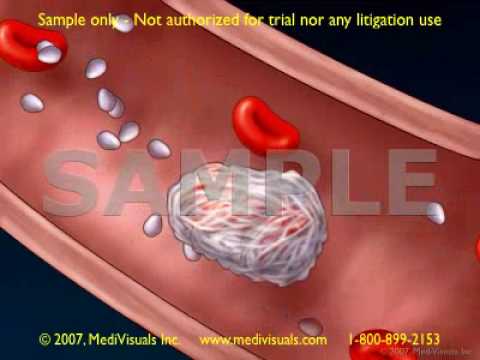
Anti-Coagulation & Fibrinolysis
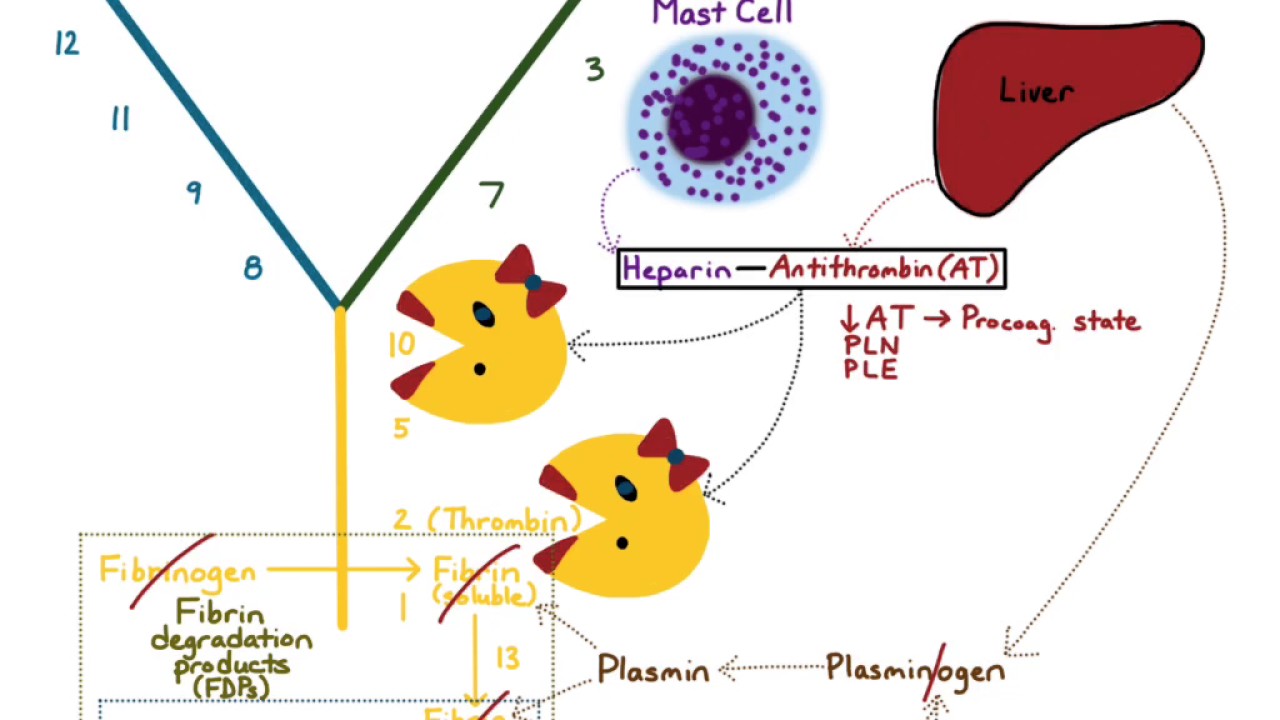
Platelet Activation and Factors for Clot Formation
Hemostasis, Coagulation and Fibrinolisis
Medical School
Thrombosis is a critical medical condition characterized by the formation of blood clots within blood vessels. These clots can obstruct blood flow, leading to serious health complications such as heart attacks, strokes, and pulmonary embolisms. Understanding the causes, symptoms, diagnosis, treatment, and prevention of thrombosis is crucial for managing this potentially life-threatening condition effectively.
Causes of Thrombosis
Thrombosis can occur due to various factors, including:
- Hypercoagulability: Conditions that increase blood clotting tendencies, such as genetic disorders, cancer, and certain medications.
- Endothelial Damage: Injuries to the inner lining of blood vessels can trigger clot formation.
- Blood Stasis: Reduced blood flow, often seen in conditions like immobility or congestive heart failure, can contribute to clot formation.
These factors can lead to the activation of the coagulation cascade, a series of events that culminate in the formation of a blood clot.
SYMPTOMS
The symptoms of thrombosis can vary depending on the location of the clot. Common signs include:
- Pain or tenderness: Especially in the affected area.
- Swelling: Due to impaired blood flow.
- Redness or discoloration: Around the clot site.
- Warmth: The skin may feel warm to the touch.
- Shortness of breath: In cases of pulmonary embolism.
It is essential to seek immediate medical attention if you experience any of these symptoms, as prompt treatment can prevent complications.
DIAGNOSIS
Diagnosing thrombosis typically involves a combination of medical history review, physical examination, and diagnostic tests, such as:
- Ultrasound: Used to visualize blood flow and detect clots.
- D-dimer test: Measures a substance released when a blood clot dissolves.
- CT scan or MRI: Imaging techniques to identify clots in deep veins or organs.
Accurate diagnosis is crucial for determining the appropriate treatment approach.
TREATMENT
The treatment of thrombosis aims to prevent clot growth, dissolve existing clots, and reduce the risk of recurrence. Common treatment options include:
- Anticoagulants: Medications that inhibit blood clotting.
- Thrombolytics: Drugs that help dissolve blood clots.
- Compression stockings: Aid in preventing clot formation in the legs.
- Surgical interventions: In severe cases, surgery may be necessary to remove a clot.
The choice of treatment depends on the location and severity of the clot, as well as the patient's overall health status.
PREVENTION
Preventing thrombosis is essential, especially for individuals at higher risk. Some preventive measures include:
- Maintaining a healthy lifestyle: Regular exercise and a balanced diet can help reduce the risk of clot formation.
- Avoiding prolonged immobility: Moving regularly, especially during long flights or bed rest, can prevent blood stasis.
- Managing underlying conditions: Controlling conditions like diabetes, hypertension, and high cholesterol can lower the risk of thrombosis.
- Using compression stockings: Particularly for individuals with a history of clotting disorders.
By adopting these preventive strategies, individuals can significantly reduce their risk of developing thrombosis.
ARTICLES/STUDIES
Natural Products for Antithrombosis
Phloretin would be a potent agent preventing thrombosis and atherosclerosis.
Higher thrombus risk in men with obesity in adolescence
Brazilian propolis contains some natural products that can decrease thrombotic tendencies in mice.
Preventing blood clots with a new metric for heart function