Macrobiotic Diet
Return to Food Menu
Pros and Cons:
Benefits for diabetes
The macrobiotic diet is more than just a way of eating; it is a lifestyle choice that emphasizes balance and harmony in one's life. Rooted in Eastern philosophy, particularly Zen Buddhism, this diet focuses on the consumption of whole, natural foods and encourages mindful eating practices. It is often associated with promoting health and well-being, and some proponents believe it can help prevent or manage chronic diseases.
Core Principles of the Macrobiotic Diet
The macrobiotic diet is based on the principle of balancing yin and yang, which are opposing but complementary forces in nature. This balance is achieved through the selection of foods that are believed to have either yin or yang properties. The diet emphasizes:
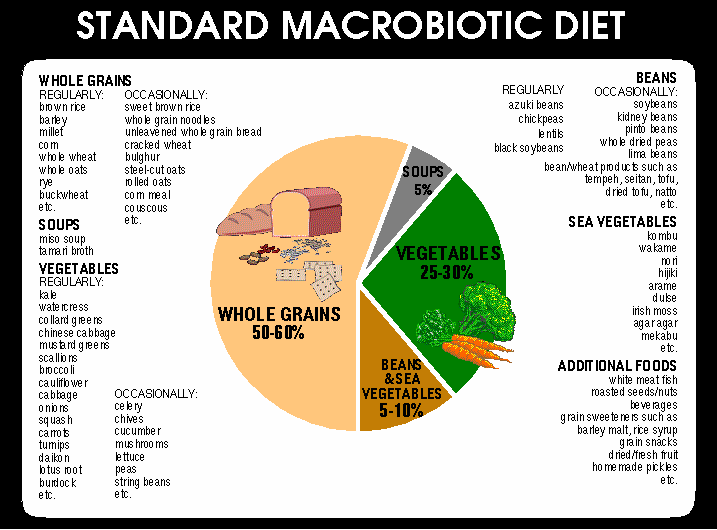
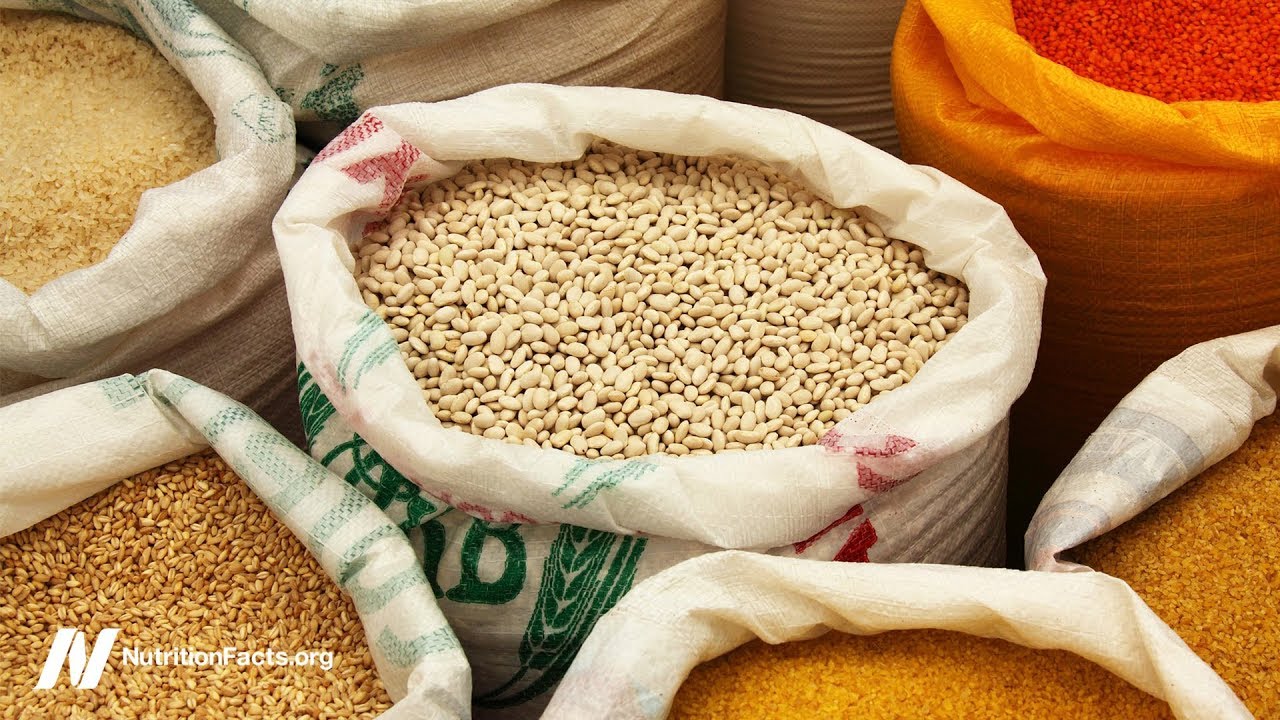
- Whole Grains: Whole grains, such as brown rice, barley, millet, and oats, form the foundation of the macrobiotic diet. They are considered to have a balanced yin-yang energy and are typically consumed in their whole, unprocessed form.
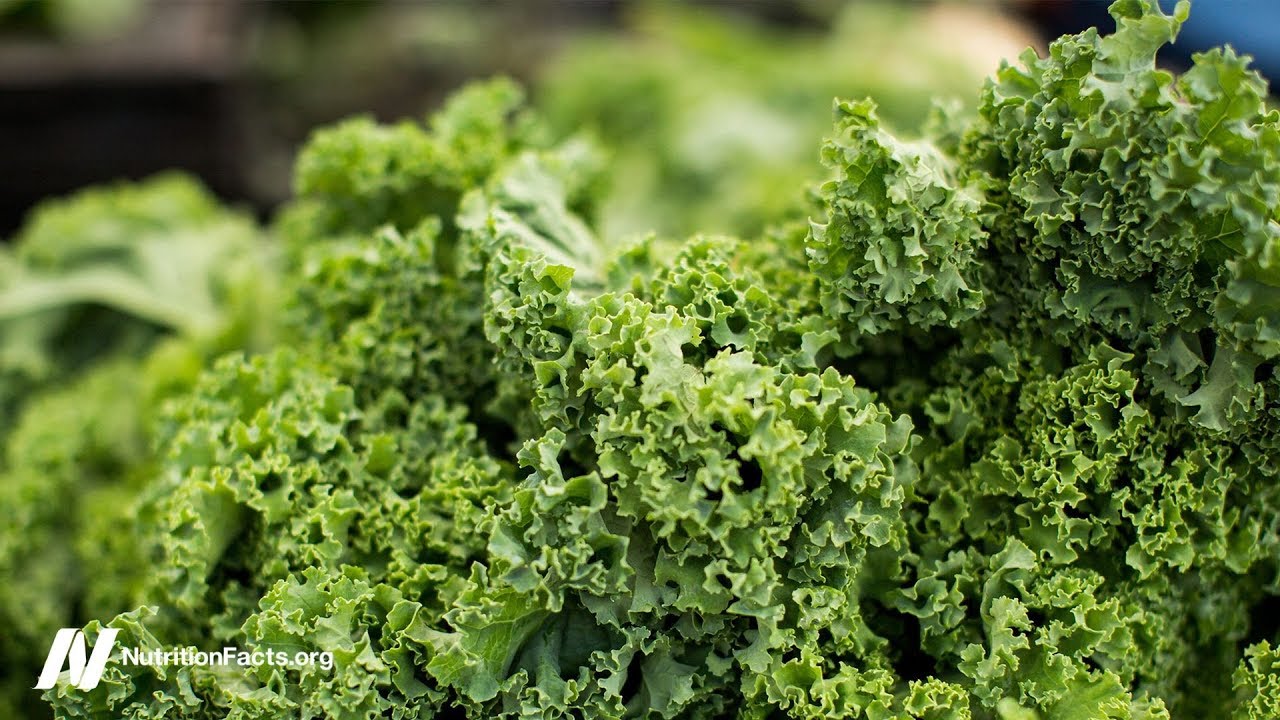
- Vegetables: A variety of vegetables, particularly leafy greens, root vegetables, and sea vegetables, are encouraged. These are believed to provide essential nutrients and help maintain the body's balance.
- Beans and Legumes: These are important sources of protein in the macrobiotic diet. Common choices include lentils, chickpeas, and tofu.
- Fermented Foods: Foods like miso, tempeh, and sauerkraut are included for their probiotic benefits, which support digestive health.
- Seasonal and Local Foods: The diet emphasizes eating foods that are in season and grown locally, aligning with the natural rhythms of the environment.
- Minimal Animal Products: While some versions of the macrobiotic diet allow for small amounts of fish or seafood, it generally discourages the consumption of meat, dairy, and eggs.
- Natural Sweeteners: Instead of refined sugars, natural sweeteners like brown rice syrup or barley malt are used sparingly.
Benefits of the Macrobiotic Diet
The macrobiotic diet is praised for its potential health benefits, which include:
- Nutrient-Rich: By focusing on whole, unprocessed foods, the diet is rich in essential nutrients, fiber, and antioxidants, which can support overall health.
- Weight Management: The emphasis on low-calorie, high-fiber foods can aid in weight management and promote a healthy body weight.
- Improved Digestion: The inclusion of fermented foods and high-fiber grains and vegetables can enhance digestive health and regularity.
- Reduced Risk of Chronic Diseases: Some studies suggest that the macrobiotic diet may help reduce the risk of chronic diseases such as heart disease, diabetes, and certain cancers due to its emphasis on plant-based foods and low intake of processed foods.
- Mindful Eating: The diet encourages mindful eating practices, which can lead to a more conscious relationship with food and improved mental well-being.
Potential Challenges and Considerations
While the macrobiotic diet offers numerous benefits, there are some challenges and considerations to keep in mind:
- Nutritional Deficiencies: The diet's restriction on animal products can lead to potential deficiencies in nutrients such as vitamin B12, iron, and omega-3 fatty acids. It is important to plan meals carefully and consider supplementation if necessary.
- Restrictive Nature: The diet's strict guidelines can be challenging to follow, especially for those accustomed to a more varied diet. It may also be difficult to maintain in social settings or when dining out.
- Time-Consuming: Preparing meals from scratch using whole, unprocessed ingredients can be time-consuming, which may not be feasible for everyone.
- Individual Needs: As with any diet, it is important to consider individual health needs and consult with a healthcare professional before making significant dietary changes.