Mycobacterium marinum
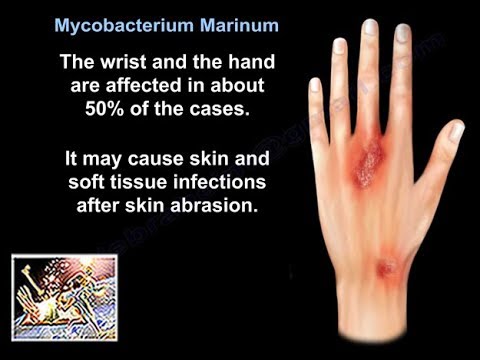
Mycobacterium marinum is a type of nontuberculous mycobacterium (NTM) that is commonly found in aquatic environments. This bacterium is known for causing infections in fish and humans, particularly those who have frequent contact with water, such as aquarium enthusiasts, fishermen, and swimmers. Understanding the characteristics, transmission, clinical manifestations, diagnosis, and treatment of Mycobacterium marinum is crucial for managing and preventing infections.
Characteristics
Mycobacterium marinum is a slow-growing, acid-fast bacterium. It thrives in freshwater and saltwater environments, often at temperatures ranging from 25°C to 32°C (77°F to 89.6°F). This temperature preference is one reason why it is commonly associated with aquatic environments. The bacterium forms yellowish colonies when cultured and is known for its ability to survive in harsh conditions, including low nutrient availability and high salinity.
Transmission
The primary mode of transmission of Mycobacterium marinum to humans is through direct contact with contaminated water or aquatic animals. The bacterium can enter the body through small cuts, abrasions, or puncture wounds on the skin. Activities that increase the risk of exposure include:
- Handling fish or cleaning aquariums
- Swimming in contaminated water
- Fishing or handling fishing equipment
It is important to note that Mycobacterium marinum is not transmitted from person to person.
Clinical Manifestations
In humans, Mycobacterium marinum infection typically presents as a localized skin infection, often referred to as "fish tank granuloma" or "swimming pool granuloma." The infection usually develops within two to four weeks after exposure and is characterized by:
- Red, swollen nodules or pustules on the skin
- Ulceration or abscess formation
- Pain and tenderness at the site of infection
In some cases, the infection can spread to deeper tissues, including tendons and bones, leading to more severe complications. Immunocompromised individuals are at a higher risk of developing disseminated infections.
Diagnosis
Diagnosing Mycobacterium marinum infection can be challenging due to its slow-growing nature and the similarity of its symptoms to other skin infections. The diagnostic process typically involves:
- Clinical Examination: A thorough examination of the affected area by a healthcare professional.
- Microbiological Culture: Obtaining a sample from the infected site and culturing it on specific media at lower temperatures (around 30°C or 86°F) to promote the growth of Mycobacterium marinum.
- Histopathology: Examining tissue samples under a microscope to identify characteristic granulomas and acid-fast bacilli.
- Molecular Techniques: Using polymerase chain reaction (PCR) and other molecular methods to detect Mycobacterium marinum DNA in clinical samples.
Treatment
Treatment of Mycobacterium marinum infection typically involves a combination of antibiotics and, in some cases, surgical intervention. The choice of antibiotics depends on the severity of the infection and the patient's overall health. Commonly used antibiotics include:
- Clarithromycin
- Doxycycline
- Rifampin
- Ethambutol
The duration of antibiotic therapy can range from several weeks to several months, depending on the response to treatment. In cases where the infection has spread to deeper tissues or is not responding to antibiotics, surgical debridement may be necessary to remove infected tissue.
Prevention
Preventing Mycobacterium marinum infection involves minimizing exposure to contaminated water and aquatic animals. Key preventive measures include:
- Wearing protective gloves when handling fish or cleaning aquariums
- Avoiding swimming in water that may be contaminated
- Promptly cleaning and covering any cuts or abrasions on the skin
- Maintaining proper hygiene and sanitation in aquariums and swimming pools